Calcutta High Court Halts Election Commission’s Order on Preventive Action Against Alleged ‘Troublemakers’ in Bengal
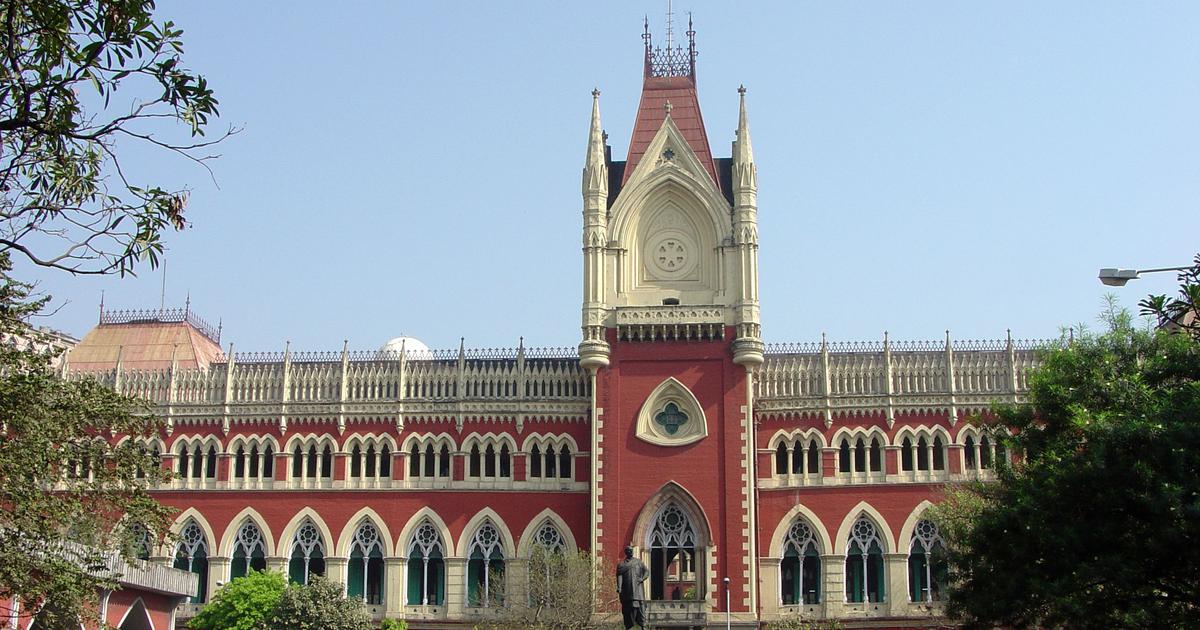
The Calcutta High Court made a significant ruling on Wednesday, putting a temporary halt to an Election Commission (EC) directive that instructed West Bengal police to take preventive measures against individuals labelled as ‘troublemakers’ ahead of the imminent Assembly elections. This decision was reached by a bench comprised of Chief Justice Sujoy Paul and Justice Partha Sarathi Sen, who criticized the blanket approach taken by the police observer in the Chief Electoral Officer’s office.
The judges’ ruling will remain in effect until June 30, raising concerns over the implications of such preemptive measures on civil liberties and the democratic process. The case stems from a controversial directive issued by the police observer on April 21, which was reportedly aimed at curbing voter intimidation and maintaining electoral integrity.
According to reports, this contentious order included a list of approximately 800 individuals categorically identified as ‘troublemakers’. The directive suggested that these individuals were involved in activities that could potentially intimidate voters and disrupt the electoral process. However, the judges pointed out that the issuance of such a blanket directive was misguided and did not consider the potential repercussions on various citizens.
The legal challenge was initiated by advocate Mohammed Danish Farooqui, who filed a public interest litigation (PIL) in response to the alarming nature of the order. Farooqui claimed to have gathered information regarding the list from multiple credible sources, raising significant alarm about the possible misuse of power by the authorities.
Crucially, the petition alleged that the majority of those named in the list were affiliated with the Trinamool Congress, the ruling party in West Bengal. This has led to widespread speculation that the directive was politically motivated, with critics arguing that it could undermine the fairness of the electoral process in the state.
As West Bengal prepares for the upcoming elections, this ruling has sparked debates about the role of law enforcement and electoral bodies in safeguarding democracy. The court’s decision not only emphasizes the need for careful deliberation before labeling individuals as troublemakers but also highlights the delicate balance between maintaining order during elections and protecting citizens’ rights.
The implications of this ruling may extend beyond the immediate context of the elections, raising questions about the transparency and accountability of electoral processes in India. As the political landscape in West Bengal continues to evolve, stakeholders from all sides of the spectrum will be keeping a close eye on how this situation develops in the coming weeks.