Celebrating World Bee Day: The Role of India’s Pastoralists in Protecting Pollinators and Biodiversity
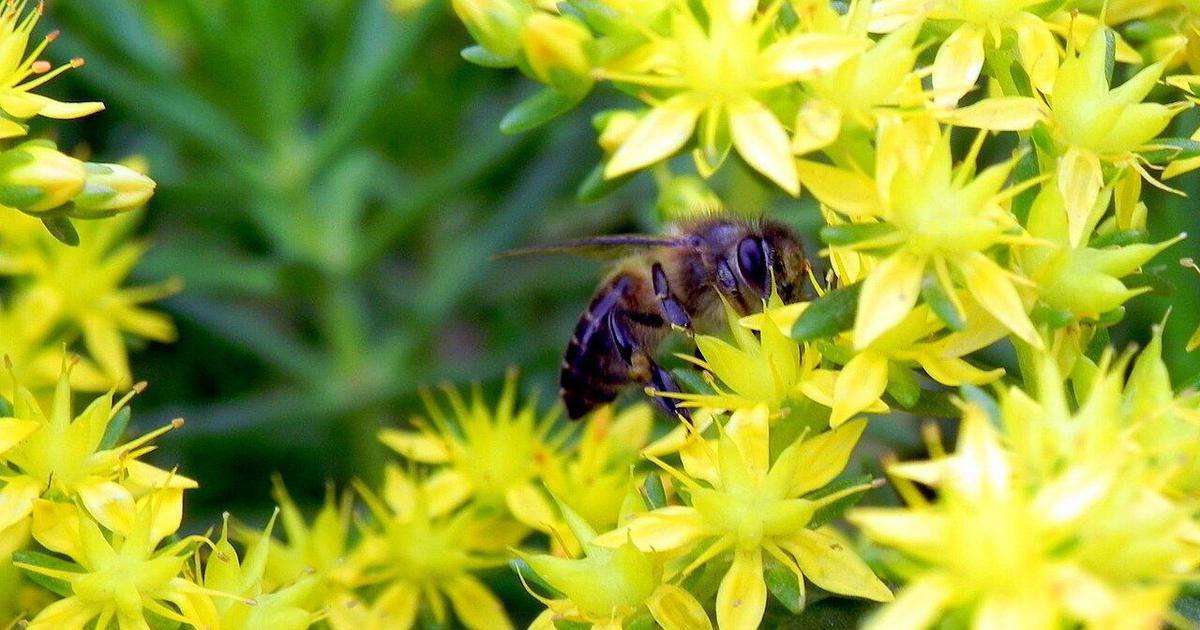
As dawn breaks over the Banni grasslands in Gujarat, the air is filled with the earthy scents of salt and wet dung. Amidst the sprawling silver grasses, buffaloes meander slowly under the soft glow of an orange sky. Hovering above flowering shrubs that have weathered the harsh summer months, tiny black bees flit about, performing their crucial role in pollination. The Maldhari herders, part of an age-old pastoral community, navigate this landscape with an intimate understanding of the land’s rhythms, aware of where water pools after winter, where the first blossoms appear, and when the acacia trees are likely to bloom.
Meanwhile, in the arid Thar desert of Rajasthan, the Raika camel herders traverse sandy expanses punctuated by khejri and ber shrubs. Their camels, well-adapted to the environment, graze lightly, ensuring that they do not overstay their welcome in any one area. Following the onset of the monsoon, wildflowers bloom sporadically across the desert floor, creating a vibrant tapestry that attracts swarms of bees, drawn to the nectar-rich blossoms. These picturesque scenes often go unnoticed in broader discussions about conservation, yet they are integral to the survival of wild pollinators across India.
On World Bee Day, which is celebrated annually on May 20, conversations typically revolve around honey production, commercial beekeeping, and the alarming decline of bee populations due to pesticides. However, a growing body of research and advocacy from scientists and grassroots organizations is shifting the focus to another critical aspect: the vital role that pastoralist communities play in sustaining not just bees, but the entire ecosystem. These herders maintain pastoral landscapes—grasslands, grazing commons, scrub forests, and migratory routes—that have supported wild bee populations for centuries.
India’s diverse landscapes are home to more than 20,000 species of bees, many of which thrive in the pastoral ecosystems nurtured by herding communities. These traditional land managers practice sustainable grazing which helps maintain biodiversity, ensuring that flowers bloom and pollinators can thrive. The symbiotic relationship between these pastoralists and their environment is a testament to centuries of knowledge passed down through generations, showcasing how indigenous practices can contribute to contemporary conservation efforts.
As we celebrate World Bee Day, it is essential to recognize the unsung heroes of India’s environment—the pastoralists who quietly protect these invaluable pollinators. By understanding their role and advocating for the preservation of pastoral landscapes, we can help ensure that both bees and biodiversity continue to thrive in our region. The coalescence of traditional knowledge and modern conservation strategies may hold the key to safeguarding not only our bees but the broader ecological balance that sustains life as we know it.