Supreme Court to Review Detention of Journalist Amid Noida Protests, Denies Immediate Relief
The Supreme Court of India has agreed to review a petition challenging the detention of Satyam Verma, a former journalist, under the National Security Act (NSA) in connection with the violent protests involving workers in Noida. However, the court has declined to grant any interim relief at this stage, stating that the legitimacy of the detention order needs to be examined further.
On Tuesday, the bench comprising Justices BV Nagarathna and Ujjal Bhuyan issued a notice to both the Uttar Pradesh and the Union governments regarding the petition submitted by Verma’s wife. She is contesting the detention order, which has raised significant concerns about civil liberties and freedom of expression in the country.
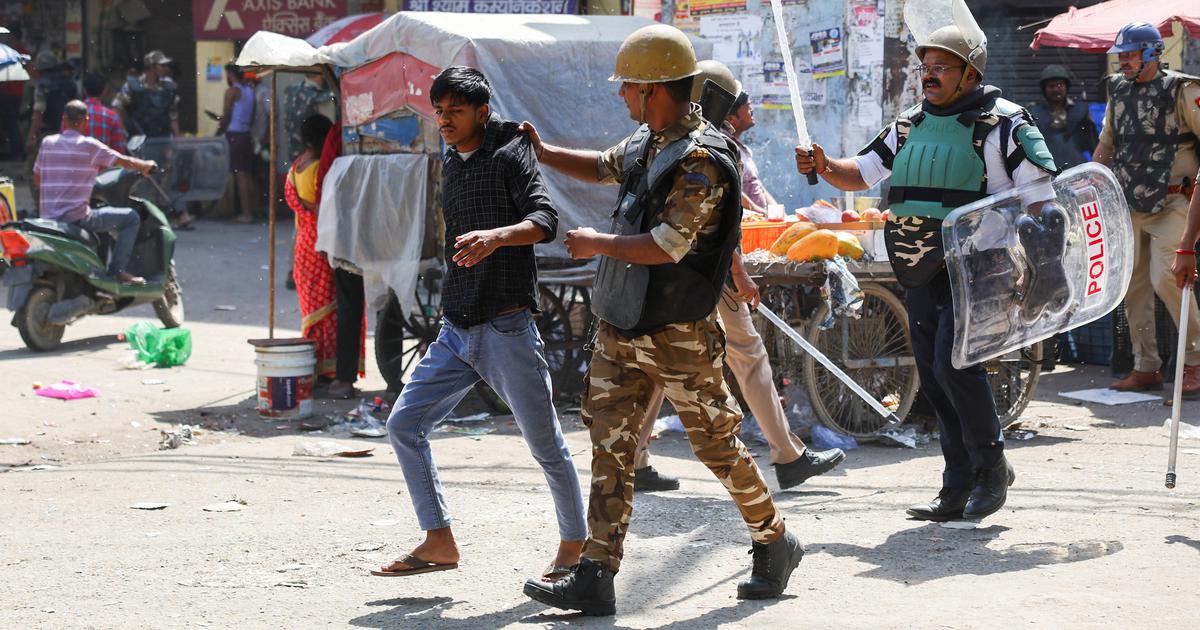
Verma, who is 60 years old and hails from Lucknow, was one of two individuals detained on May 13 under the NSA, which permits authorities to hold individuals without trial for extended periods, potentially up to a year. The protests, which erupted on April 13, were organized by the Mazdoor Bigul Dasta, a workers’ group advocating for labor rights, and the police allege that both Verma and fellow detainee Aakriti Chaudhary played crucial roles in instigating acts of violence and disorder during these demonstrations.
According to police reports, Verma and Chaudhary were accused of inciting violence and chaos, allegedly provoking individuals in various locations to disturb public order. Further allegations suggest that Verma may have received funding from foreign accounts to fuel the unrest, a claim that adds a layer of complexity to the already contentious situation.
This case has sparked widespread discussions regarding the balance between maintaining public order and protecting individual rights, raising critical questions about the application of the NSA. Critics argue that the Act, often seen as draconian, allows the government to suppress dissent and curtail free speech under the guise of national security. Proponents, however, maintain that such measures are necessary to prevent violence and ensure public safety.
As the Supreme Court prepares to delve deeper into the circumstances surrounding Verma’s detention, the case has attracted significant media attention and public interest, reflecting broader concerns about civil liberties and state power in India today. The outcome could have far-reaching implications for the treatment of activists and journalists in the country, particularly in a climate where dissent is increasingly met with legal action.