The ongoing crisis surrounding liquefied petroleum gas (LPG) supply has prompted a remarkable shift in how Indian households and businesses approach cooking energy. With the conflict in West Asia causing disruptions in LPG imports critical to India’s energy needs, many are now turning to alternative cooking solutions, such as biogas generated from wet waste, solar cookers, and pellet stoves. This surge in interest has been particularly evident in cities like Pune, where innovative entrepreneurs are paving the way for sustainable energy practices.
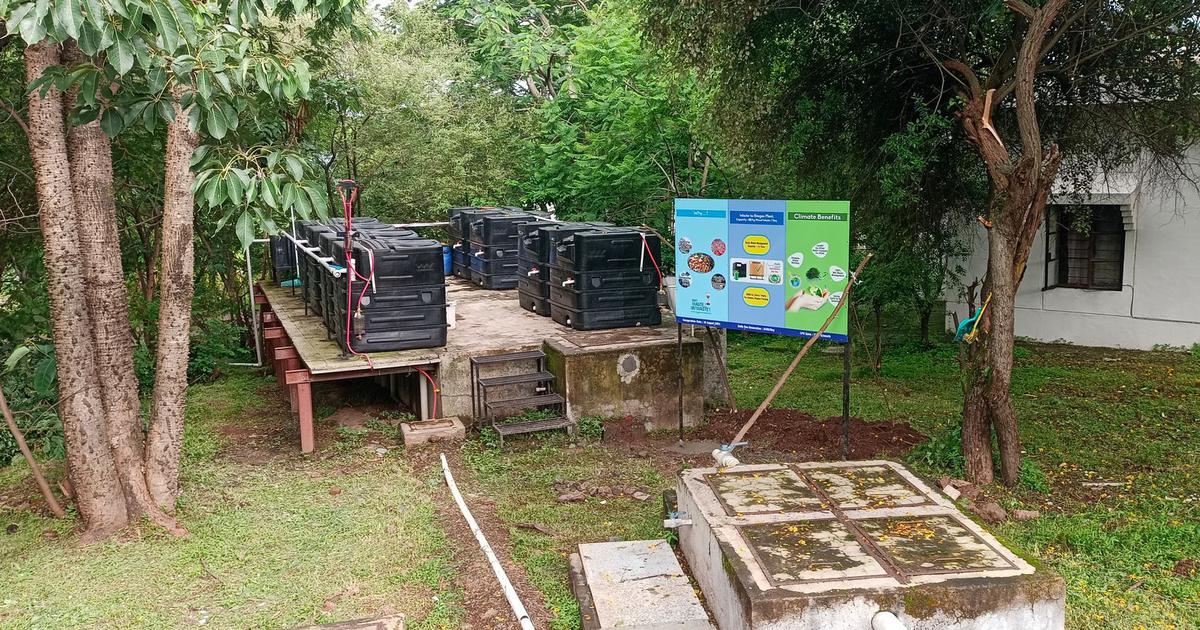
Priyadarshan Sahasrabuddhe, the founder of Vaayu Mitra, a company specializing in decentralized biogas systems, noted that the demand for his services has skyrocketed since the LPG shortages began. “My phone has been incessantly ringing since the crisis started,” he said, reflecting the nationwide urgency for alternative energy sources. Sahasrabuddhe has been free from LPG dependency for seven years and has provided biogas solutions to approximately 440 customers in Pune and surrounding areas, promoting environmentally friendly cooking practices.
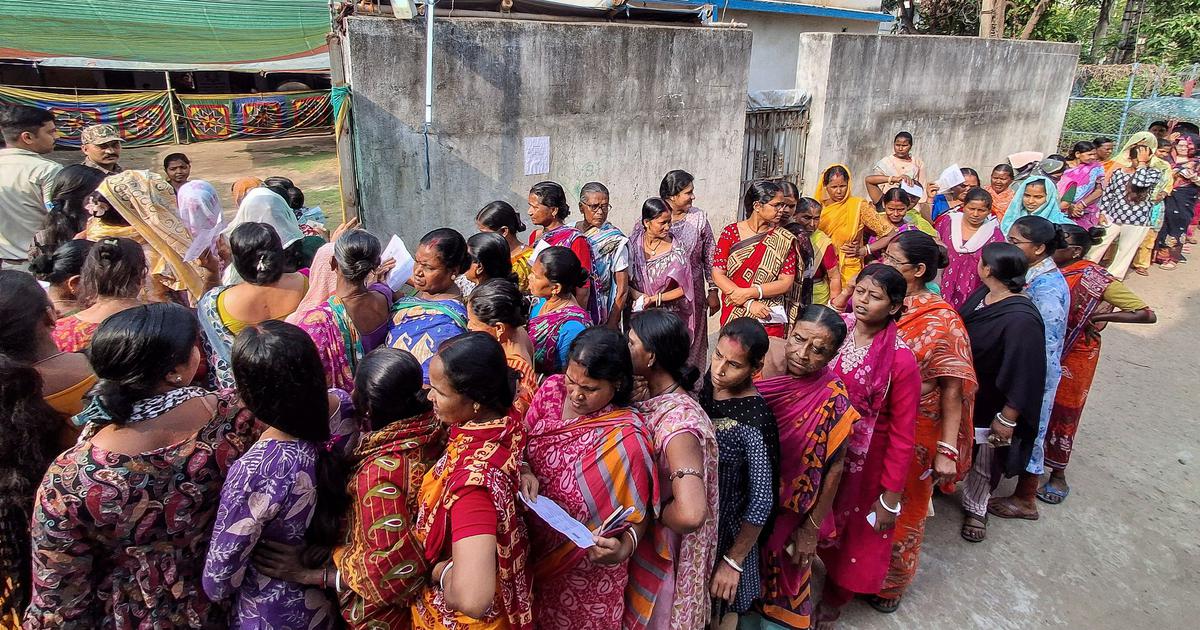
The LPG crisis has been exacerbated by geopolitical tensions, particularly the closure of the Strait of Hormuz, a vital artery for India’s LPG imports. This disruption has led to a surge in prices, with reports of citizens paying between Rs 2,500 and Rs 5,000 for cylinders that typically cost Rs 950, often as a result of black market dealings. As long lines form outside gas agencies across the nation, many households are reverting to traditional cooking methods, including the use of wood and cow-dung cakes, as well as induction stoves, to meet their needs.
Sahasrabuddhe’s biogas systems, which utilize organic waste to generate cooking fuel, have recently gained traction as a viable alternative. Currently, 405 of the installed systems are operational, collectively managing about 1,119 tonnes of organic waste annually. This transition not only reduces reliance on LPG but also helps in waste management, showcasing the dual benefits of biogas technology in the fight for sustainable energy.
The shift towards biogas and other alternative cooking methods signifies a broader trend of resilience and adaptability among Indian consumers. With the hospitality industry, food processing companies, and individual households all seeking reliable options, the market for sustainable cooking solutions is poised for significant growth. As India grapples with energy security issues, innovations like those offered by Sahasrabuddhe could pave the way for a greener future, reducing dependency on imported fuels and fostering a culture of sustainability.