In a surprising turn of events, the Trinamool Congress (TMC) candidate for the Falta constituency in West Bengal has withdrawn from the upcoming repoll scheduled for May 21. Jahangir Khan announced his decision just two days ahead of the voting, emphasizing that his choice was made for the “development and public good” of the constituency. He referred to a special development package introduced by the Bharatiya Janata Party (BJP) government as a significant factor in his decision.
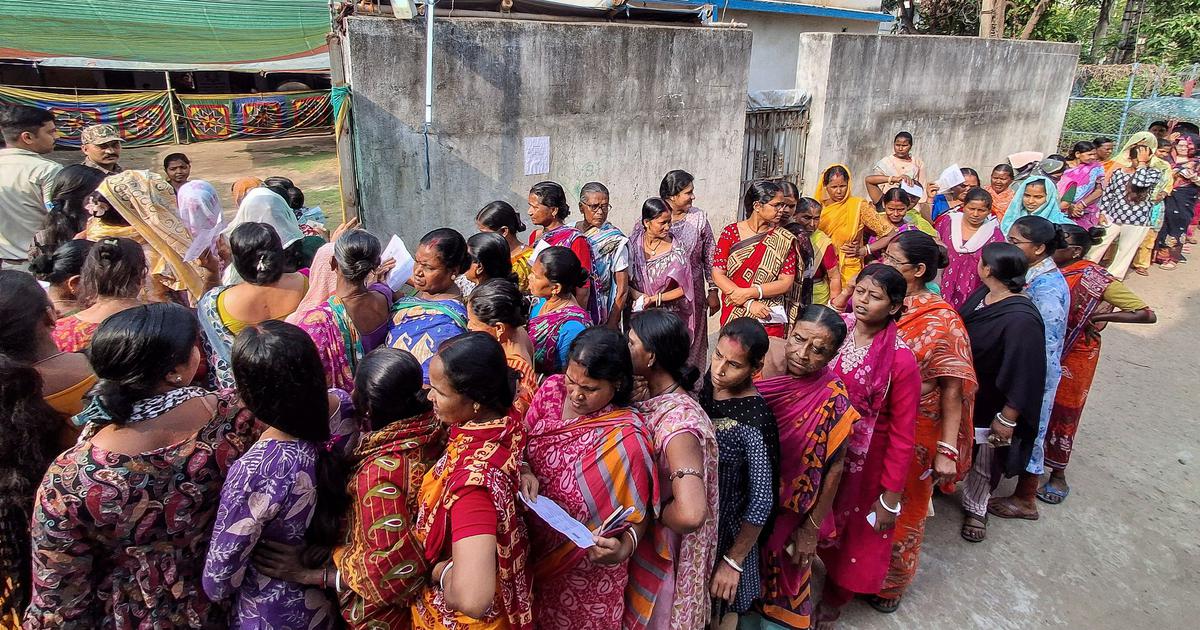
The TMC has clarified that Khan’s withdrawal is a personal choice, rather than a party directive. This announcement comes on the heels of a significant political shift in West Bengal, where the BJP recently ended the 15-year ruling stretch of the Mamata Banerjee-led TMC in the state elections held on May 4. The original voting for Falta took place on April 29, but the Election Commission ordered a repoll on May 2, citing allegations of electoral malpractice that compromised the democratic process.
The repolling in Falta is set for May 21, with votes to be counted on May 24. This has raised questions about the future political landscape in the region and whether Khan’s withdrawal will significantly impact voter sentiment.
In another notable development, activist Umar Khalid has been denied interim bail in connection with the 2020 Delhi riots conspiracy case. A Delhi court ruled that the reasons Khalid presented for his plea were insufficient. He had requested a 15-day interim bail to attend a Chehlum ceremony marking 40 days since his uncle’s passing, as well as to support his mother ahead of her surgery scheduled for June 2. The court’s decision highlights the ongoing legal challenges faced by Khalid and others accused in relation to the riots.
As these stories unfold, they underscore the complex dynamics of Indian politics and the legal system, reflecting the ongoing struggles for justice and representation in a rapidly changing socio-political landscape.