The air quality in Delhi and its neighboring regions has taken a significant downturn, prompting the Commission for Air Quality Management to implement Stage 1 restrictions as part of the Graded Response Action Plan (GRAP). This decision was announced on Tuesday as the Air Quality Index (AQI) figures surged into the ‘poor’ category, raising alarm among residents and environmentalists alike.
GRAP operates as a framework of progressive measures aimed at tackling air pollution. Once the air quality crosses designated thresholds, these restrictions activate to mitigate further deterioration. Stage 1, which has now been enforced, primarily focuses on immediate interventions such as mechanical road sweeping and water sprinkling to minimize dust emissions. Additionally, certain types of construction and demolition activities are prohibited to curb the release of particulate matter into the atmosphere.
During a recent meeting, the Commission reviewed the alarming air quality situation, noting that Delhi’s AQI had reached 208, firmly placing it within the ‘poor’ category. This upward trend in air pollution levels has raised concerns among health experts, who warn that the AQI is expected to remain in this category for the foreseeable future.
As per the Sameer application, which offers real-time updates from the Central Pollution Control Board, Delhi recorded an average AQI of 206 by late Tuesday evening. The situation is no better in the neighboring states, with Noida and Ghaziabad registering AQIs of 238 and 248, respectively. Greater Noida’s air quality is even more concerning, falling into the ‘very poor’ category with a reported AQI of 304. Haryana also reported similarly troubling figures, underscoring a regional crisis that calls for urgent action.
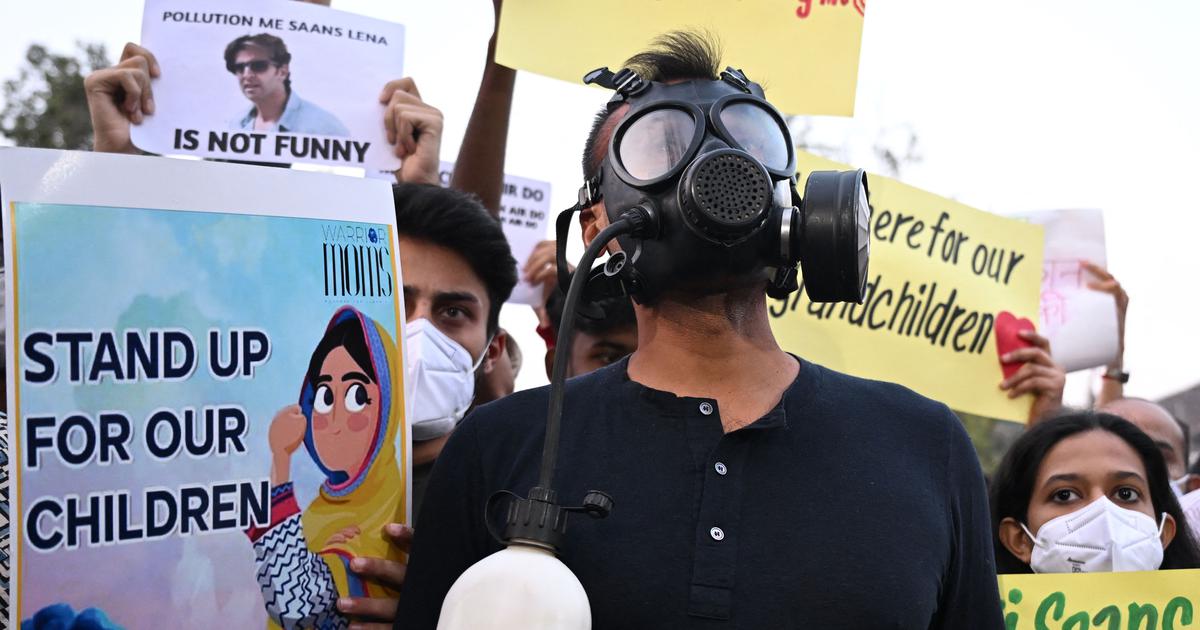
The deterioration of air quality is a seasonal occurrence in the Delhi-NCR area, often exacerbated by factors such as vehicular emissions, industrial pollution, and stubble burning in surrounding agricultural areas. As winter sets in, the situation tends to worsen, leading to health advisories and public outcry. Local authorities, health officials, and environmental advocates are urging residents to take precautions, especially vulnerable groups such as children, the elderly, and those with pre-existing health conditions.
In light of these developments, continuous monitoring and adherence to the GRAP measures are critical. Citizens are encouraged to stay informed about the air quality levels and minimize exposure during peak pollution times. With the stakes high, it is crucial for the community, government, and environmental agencies to collaborate and seek sustainable solutions to combat the air pollution crisis.