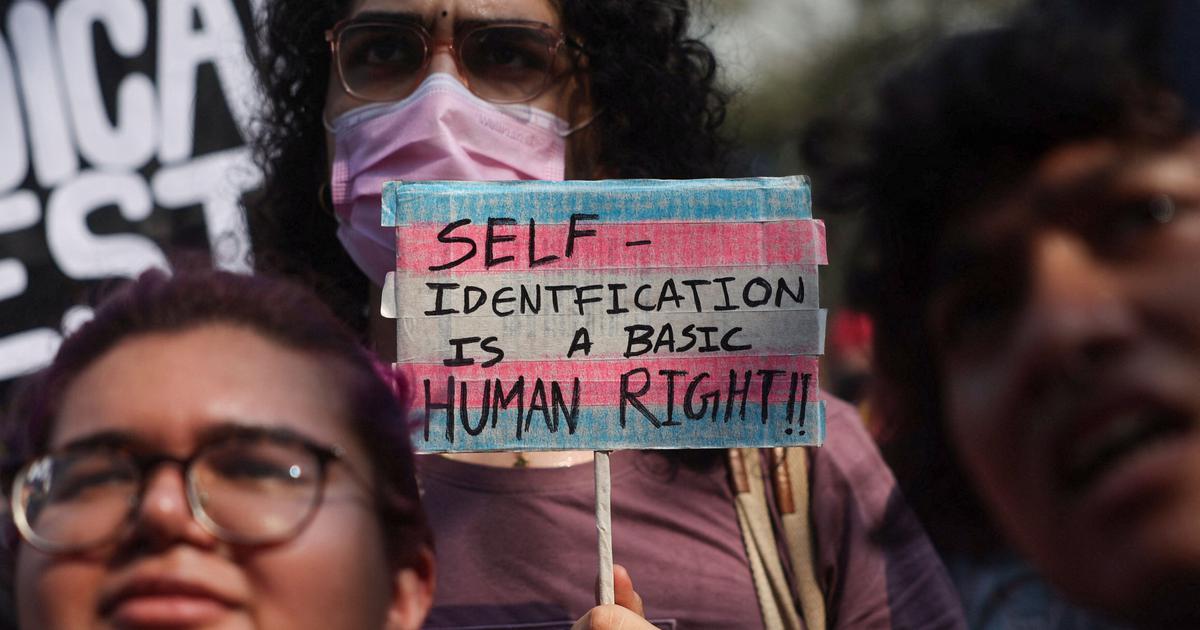
In a recent bail hearing at the Madras High Court, a phrase used to describe transgender individuals as “children of God” has ignited a debate regarding the language and approach adopted by the judiciary towards marginalized communities. While the intention behind the wording may appear compassionate, it raises significant questions about the underlying implications and the historical context of such terminology in India.
The term “children of God” evokes a sense of moral elevation and dignity, reminiscent of the term “Harijan,” coined by Mahatma Gandhi to refer to those facing caste-based discrimination. However, like “Harijan,” the phrase risks reducing complex social issues to mere sentimentality, sidestepping the critical analysis necessary to address systemic inequalities. Rather than empowering transgender individuals by recognizing their rights, it may inadvertently infantilize them, stripping away their agency in the process.
The Madras High Court’s choice of words is not an isolated incident. Indian courts have often resorted to emotionally charged language when dealing with marginalized identities. A landmark ruling by the Supreme Court in 2014, known as NALSA v Union of India, affirmed the fundamental rights of transgender individuals, stating they are frequently treated as untouchables. However, while the analogy to caste was striking, it did not extend into the judicial reasoning, leaving the nuanced intersection of caste and gender largely unexamined.
This tendency to rely on emotional terminology rather than substantive legal frameworks highlights a broader issue within the Indian judiciary regarding the treatment of marginalized communities. By invoking sentimental phrases, the courts may unintentionally diminish the complexity of the struggles faced by these groups. The challenge remains: how can the justice system ensure that it champions the rights of transgender individuals while avoiding the pitfalls of paternalism?
As India grapples with evolving notions of identity and rights, the language used by its institutions must reflect a commitment to equality and empowerment. Instead of framing marginalized individuals in terms that suggest moral worth is bestowed upon them, it is crucial to recognize their inherent rights and dignity as equal members of society. Only through a shift towards more inclusive and empowering language can the legal system genuinely support the quest for justice among transgender individuals and other marginalized groups.