Centre Exempts Ethanol-Blended Petrol from Excise Duty, Boosting Renewable Energy Initiatives
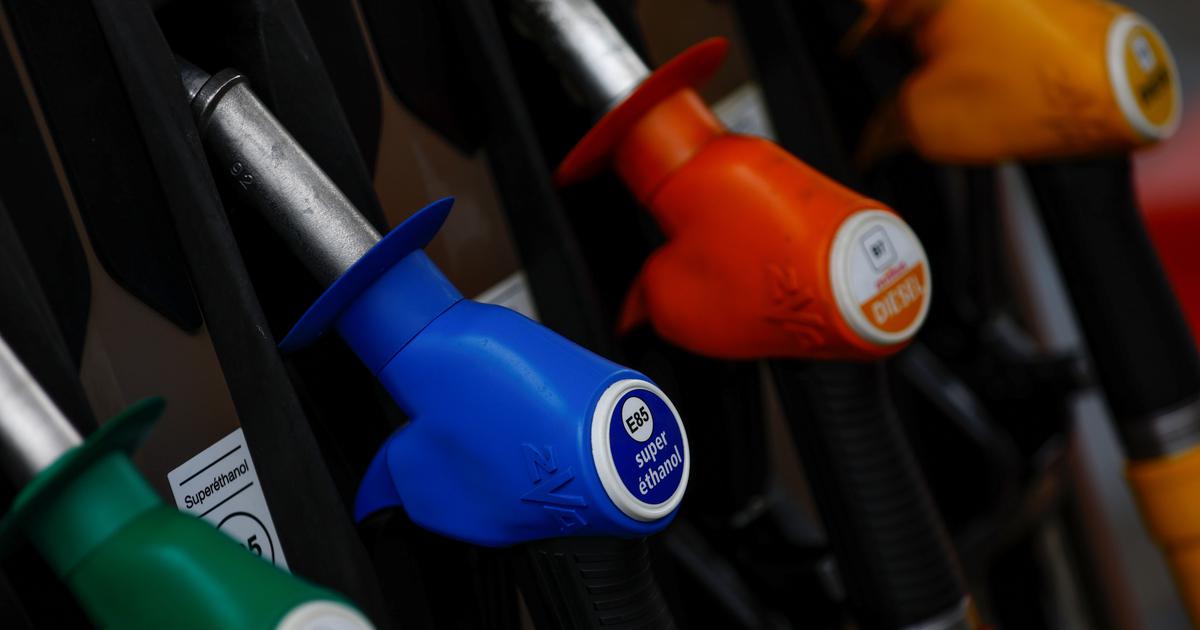
The Indian government has announced a significant policy shift by exempting petrol blended with 22% to 30% ethanol from central excise duty. This decision, which was revealed on Wednesday, aligns with the Bureau of Indian Standards’ specifications for higher ethanol blends that were released in May. While these new fuel variants are not yet commercially available, the move represents a strong step towards enhancing India’s energy transition goals.
Currently, the government promotes E20, a petrol blend comprising 20% ethanol, as part of its Ethanol Blending Programme. Notably, India achieved its target of blending 20% ethanol in petrol by July 2025, a full five years ahead of its original timeline. This initiative is central to India’s strategy aimed at reducing reliance on fossil fuels, lowering greenhouse gas emissions, and supporting sugarcane farmers economically.
Despite the government’s ambitious plans, some consumers have expressed concern regarding the new fuel mixture, claiming it could potentially harm vehicle engines and lead to decreased fuel efficiency. An analysis conducted in October revealed that merely 20% of the new petrol vehicles sold in India over the past 15 years are compatible with the E20 blend. This raises questions about the readiness of the market for higher ethanol blends.
In response to these concerns, Union Transport Minister Nitin Gadkari provided reassurances during a parliamentary session on December 11. He disclosed that extensive testing had been conducted on older vehicles using the E20 blend, with results indicating no instances of engine failure. The trials, carried out by the Automotive Research Association of India, covered nearly 100,000 kilometers, allowing for a comprehensive assessment of the fuel’s impact on vehicle performance. Minister Gadkari emphasized that the research revealed no detrimental effects associated with the use of E20 fuel.
The commitment to higher ethanol blending not only reflects India’s dedication to renewable energy but also highlights the ongoing challenges faced in the transition. The government must address consumer concerns while ensuring that the automotive sector is equipped to adapt to these new fuel standards. As India forges ahead in its energy transition, balancing environmental goals with consumer needs will be crucial in fostering a sustainable future.