Centre Opposes New Hydroelectric Projects in Ganga’s Upper Reaches, Supreme Court Informed
The Union government has announced its opposition to the approval of new hydroelectric projects in the upper reaches of the Ganga River, specifically within the Alaknanda and Bhagirathi river basins in Uttarakhand. This significant declaration was made during a recent Supreme Court hearing, highlighting the government’s commitment to environmental conservation in the area.
In an official affidavit submitted to the Supreme Court, the ministries of Environment, Jal Shakti, and Power stated that the government would not support any additional hydroelectric projects beyond the seven that are currently either operational or nearing completion. These existing projects possess a combined power generation capacity of over 2,150 megawatts and include notable initiatives such as the Tehri Stage-II project (1,000 MW), Tapovan Vishnugad (520 MW), and Vishnugad Pipalkoti (444 MW), among others.
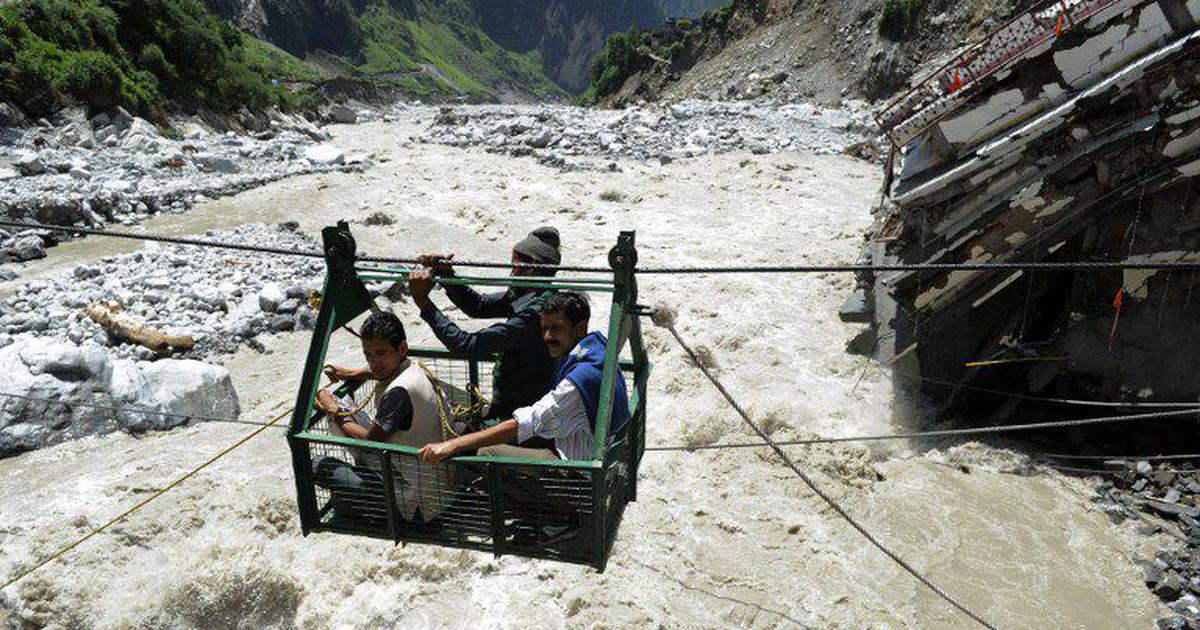
The issue of permitting new hydroelectric projects has been under scrutiny by the Supreme Court since a catastrophic flood in Kedarnath in 2013, which tragically claimed over 5,000 lives. Following this disaster, the court took cognizance of the potential role played by such projects in exacerbating natural calamities. It directed the government to investigate how hydroelectric initiatives might have contributed to the flooding and subsequently suspended any new project proposals in the region.
In response to the court’s directive, the Ministry of Environment has established three committees to assess the environmental impacts of hydroelectric projects in the Ganga’s upper reaches. This comprehensive evaluation aims to ensure that any future developments prioritize ecological balance and community safety, recognizing the delicate interplay between development and environmental sustainability.
The decision to halt new projects aligns with broader concerns about the ecological integrity of the Ganga River, which is revered not only as a vital water source but also as a cultural and spiritual symbol in Indian society. Environmentalists have long warned that unchecked hydropower projects could lead to adverse environmental consequences, including habitat destruction, alteration of water flow, and increased susceptibility to disasters.
As the dialogue continues between governmental bodies and environmental advocates, the future of hydroelectric energy in the region remains uncertain. The government’s stance is a pivotal step towards addressing these environmental concerns, ensuring that the Ganga is preserved for future generations while balancing the need for renewable energy sources in India.