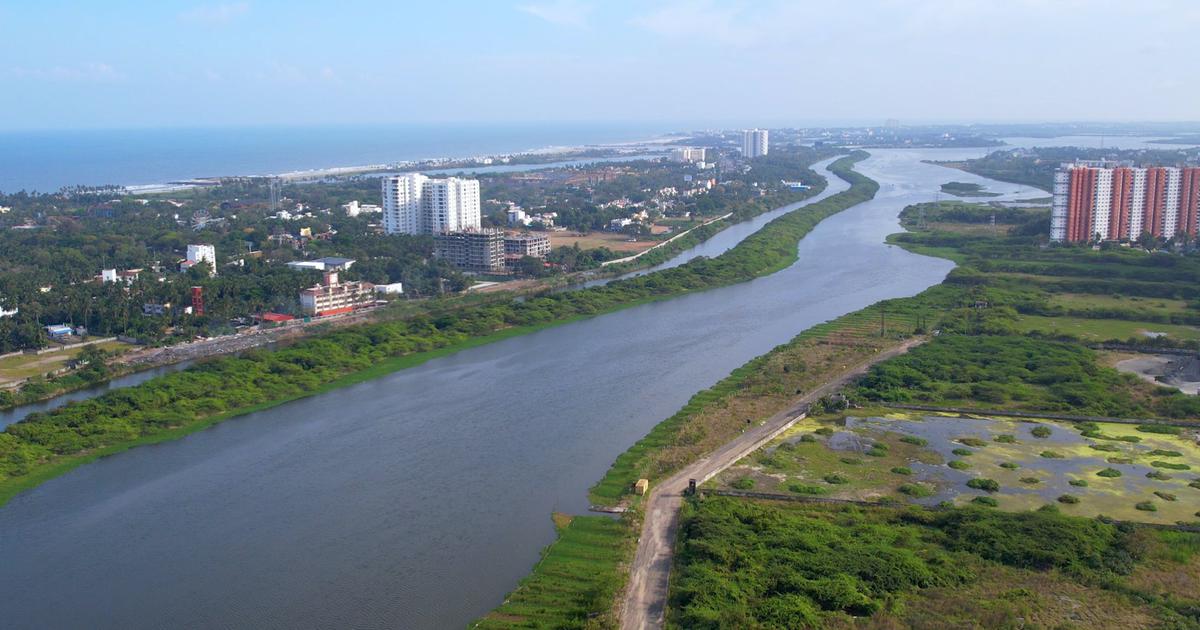
Chennai, the vibrant capital of Tamil Nadu, is facing a critical juncture as the city grapples with a severe drinking water crisis. This pressing need for potable water has raised profound questions about the ecological compromises being made in the process. As urbanization accelerates and water scarcity becomes a prevalent issue, the delicate balance between securing drinking water and preserving the environment is increasingly under threat.
The city’s dependence on water sources has dramatically shifted over the years. Previously rich in natural reservoirs and lakes, many of these vital ecosystems have been drastically altered or obliterated. The situation has been exacerbated by the rapid growth of urban infrastructure, leading to the encroachment of wetlands and water bodies that once played a crucial role in maintaining the ecological balance. With Chennai’s population swelling, the demand for drinking water has reached unprecedented levels, putting immense pressure on the remaining natural resources.
In recent years, the local government has resorted to extensive groundwater extraction and has turned to desalination plants to meet the city’s needs. However, these solutions come with their own set of challenges. Excessive groundwater withdrawal leads to a depletion of aquifers, resulting in a decline in water quality and increased salinity. Meanwhile, the energy-intensive desalination process raises concerns about carbon emissions and environmental degradation. Critics argue that these measures are merely band-aid solutions and that a more sustainable approach is necessary to ensure long-term water security.
Moreover, the implications for local biodiversity cannot be overlooked. The transformation of wetlands into urban zones has led to the loss of habitat for numerous species, disrupting local ecosystems. Biodiversity is integral to ecological health and resilience, yet the relentless pursuit of water has resulted in a stark reduction of flora and fauna that once thrived in these areas. As Chennai continues to expand, the city faces the peril of becoming a concrete jungle devoid of its natural heritage.
To address the looming crisis, a multifaceted strategy is imperative. City planners and environmentalists must collaborate to develop sustainable water management practices that prioritize conservation. This includes rainwater harvesting, rejuvenation of existing lakes, and the incorporation of green spaces within urban developments. Public awareness campaigns can also play a vital role in educating citizens about water conservation techniques and the importance of safeguarding the environment.
Ultimately, Chennai stands at a crossroads. The choices made in the coming years will determine whether the city can restore its ecological integrity while ensuring that its inhabitants have access to clean drinking water. Sustainable development should not be viewed as a mere option but rather as an essential pathway toward a resilient future for both Chennai and its environment.