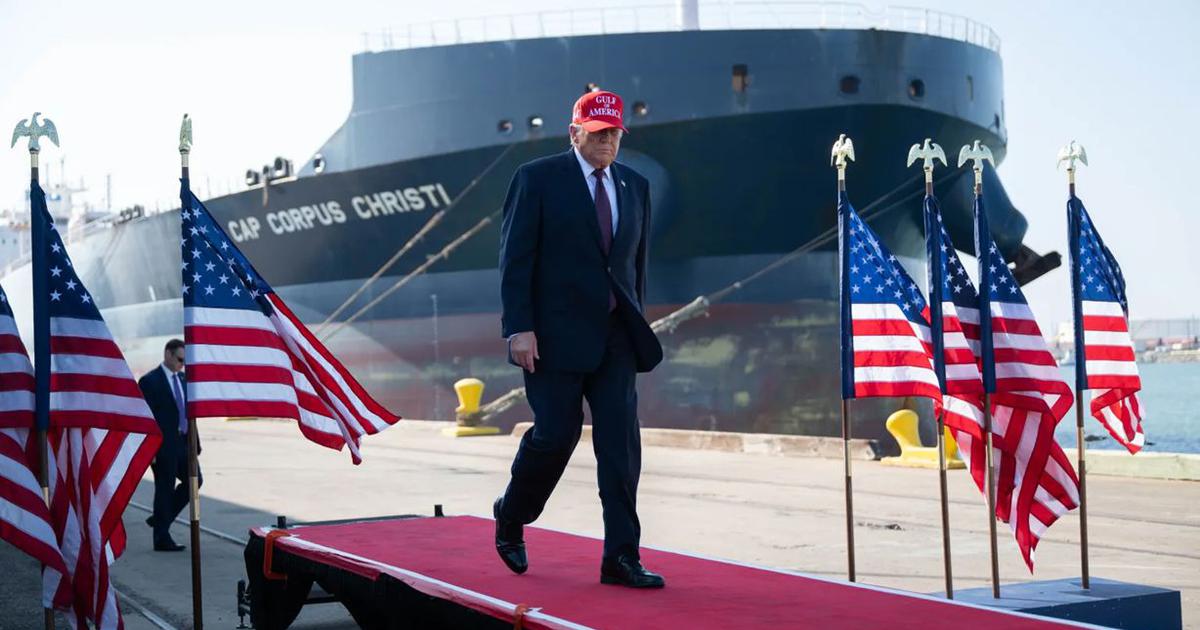
In a significant shift in diplomatic strategy, U.S. President Donald Trump announced the cancellation of a planned visit by a U.S. delegation to Pakistan, which aimed to facilitate peace talks regarding the ongoing conflict with Iran. Trump expressed frustration over what he described as excessive delays related to travel logistics, while also highlighting the internal turmoil within the Iranian leadership.
On his social media platforms, Trump commented, “There is tremendous infighting and confusion within their leadership. Nobody knows who is in charge, including them.” He elaborated that the U.S. holds a stronger strategic position in the negotiations, stating, “We have all the cards, they have none! If they want to talk, all they have to do is call!” His remarks underscore a growing impatience with the diplomatic process, as he asserted that there was no value in “sitting around talking about nothing.”
The decision to cancel the visit comes on the heels of a significant meeting between Iranian Foreign Minister Abbas Araghchi and key Pakistani officials, including Prime Minister Shehbaz Sharif and military chief General Asim Munir. This diplomatic dialogue was intended to solidify Pakistan’s role as a mediator in the escalating tensions between Washington and Tehran.
Just days prior to the cancellation, the U.S. and Iran had agreed to a two-week ceasefire to facilitate further negotiations aimed at resolving the ongoing conflict in West Asia, which has been a point of contention since hostilities reignited on February 28. However, the initial round of peace talks held in Islamabad on April 12 was met with setbacks, leading to heightened skepticism about the prospects for a lasting resolution.
Trump’s cancellation also raises questions about the future of U.S.-Pakistan relations, particularly in the context of Pakistan’s strategic importance in South Asia. As the geopolitical landscape continues to evolve, Islamabad remains critical in efforts to mediate tensions not only with Iran but also in broader regional dynamics involving Afghanistan and India.
As the situation unfolds, it is clear that the relations between the U.S. and Iran will remain a focal point of international diplomacy, and Pakistan’s role as a facilitator may become increasingly pivotal in the coming weeks. The Trump administration’s current stance suggests a willingness to apply pressure on Tehran while keeping diplomatic channels open, albeit in a more direct and less traditional manner.