As India approaches its next round of elections, the question of how to ensure a free and fair electoral process remains a pressing concern. In a multi-party democracy where one party holds significant power, maintaining a level playing field is crucial for the health of the nation’s democratic fabric. This is where the Model Code of Conduct (MCC) comes into play, a framework designed to regulate the behavior of political parties and candidates during election periods.
Established during a time of political upheaval, the MCC is largely credited to the visionary leadership of former Election Commissioner TN Seshan, who served from 1990 to 1996, and his successor MS Gill. The code was implemented to curb the rampant misuse of power by the ruling party and to ensure that the electoral process remains untainted. The MCC mandates that in the run-up to elections, the government must relinquish its control over bureaucratic functions to the Election Commission of India (ECI), thus safeguarding the electoral process from undue influence.
A key aspect of the MCC is its prohibition of hate-based campaigning that seeks to exploit communal or caste identities. This guideline plays a crucial role in maintaining social harmony and preventing divisive politics, which can tear at the very fabric of Indian society. However, as recent developments have shown, the effectiveness and impartiality of the MCC have come under scrutiny.
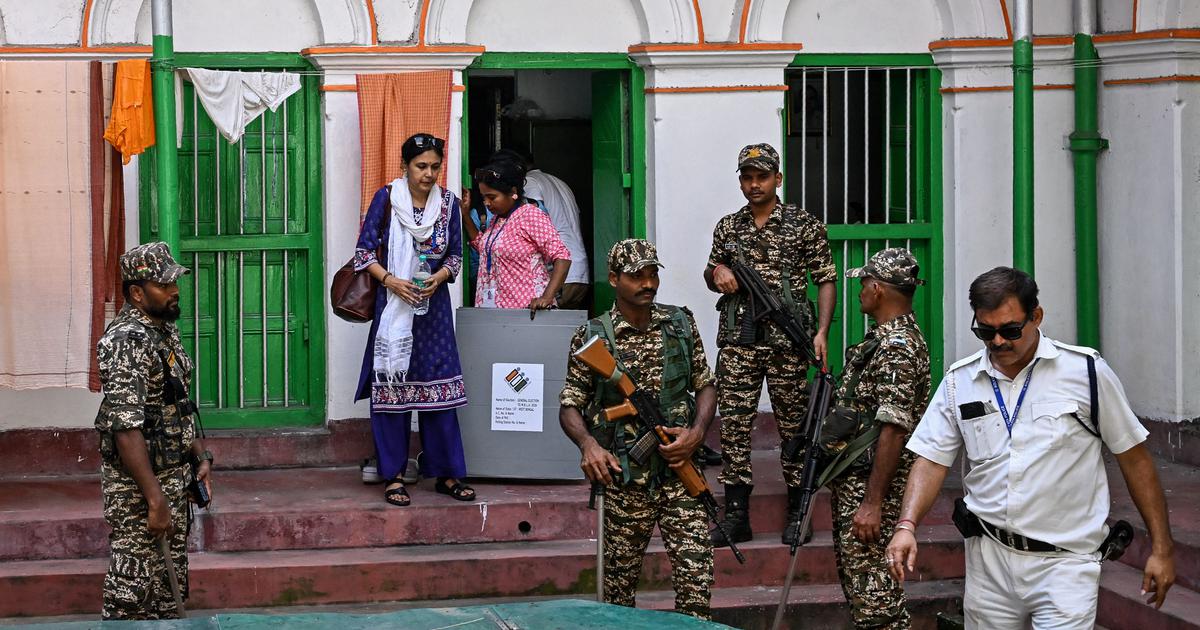
In recent elections, particularly in West Bengal, the application of the MCC has raised eyebrows among political analysts and observers. Critics argue that the code has morphed into what resembles de facto President’s Rule, with the Election Commission exerting extensive control over state machinery. The mass transfers of bureaucrats and police personnel in West Bengal serve as a prime example of this phenomenon, leading to concerns that the MCC is being wielded as a tool for political maneuvering rather than as an impartial guide for maintaining electoral integrity.
This shift in perception about the MCC highlights an essential debate about the independence of the Election Commission itself. Once regarded as a bastion of impartiality, the ECI’s credibility has been questioned, particularly in light of its seemingly arbitrary enforcement of the MCC. Instances of selective application of rules and regulations have led to accusations that the environment of free and fair elections is becoming increasingly compromised.
As the country gears up for its electoral battles, the need for a robust and transparent electoral framework has never been more critical. Ensuring that the Model Code of Conduct is applied fairly and consistently could help restore faith in the electoral process and prevent any further erosion of democratic values. Moving forward, it will be imperative for all stakeholders, including political parties, civil society, and the Election Commission, to engage in constructive dialogue and uphold the principles of fair play to secure the essence of democracy in India.