Over the last ten years, Jamshedpur has witnessed a remarkable transformation, strengthening its identity as one of India’s most well-planned and industrially progressive cities. Known as the Steel City of India, Jamshedpur has evolved not only in terms of infrastructure but also in urban planning, employment, connectivity, and quality of life.
1. Infrastructure and Urban Growth
The most visible development in the city has been its modern infrastructure expansion. Over the past decade, new roads, flyovers, widened streets, and improved drainage systems have significantly improved city movement and reduced congestion. Areas such as Mango, Adityapur, Sakchi, and Bistupur have seen rapid residential and commercial growth.
The skyline of Jamshedpur has changed with the rise of new apartment complexes, commercial buildings, and integrated townships, especially in Mango and Adityapur. Urban expansion has been driven by population growth and industrial employment opportunities. ([Find Easy][1])
2. Industrial and Economic Development
Jamshedpur has remained a major industrial hub due to the presence of Tata Steel and several ancillary manufacturing units. Over the last ten years, industrial modernization, expansion of logistics hubs, and growth in the automotive and engineering sectors have boosted employment.
Jharkhand’s economy has shown consistent growth during this period, with industrialization and infrastructure acting as key drivers, directly benefiting Jamshedpur as one of the state’s leading economic centers.
3. Better Connectivity and Transport
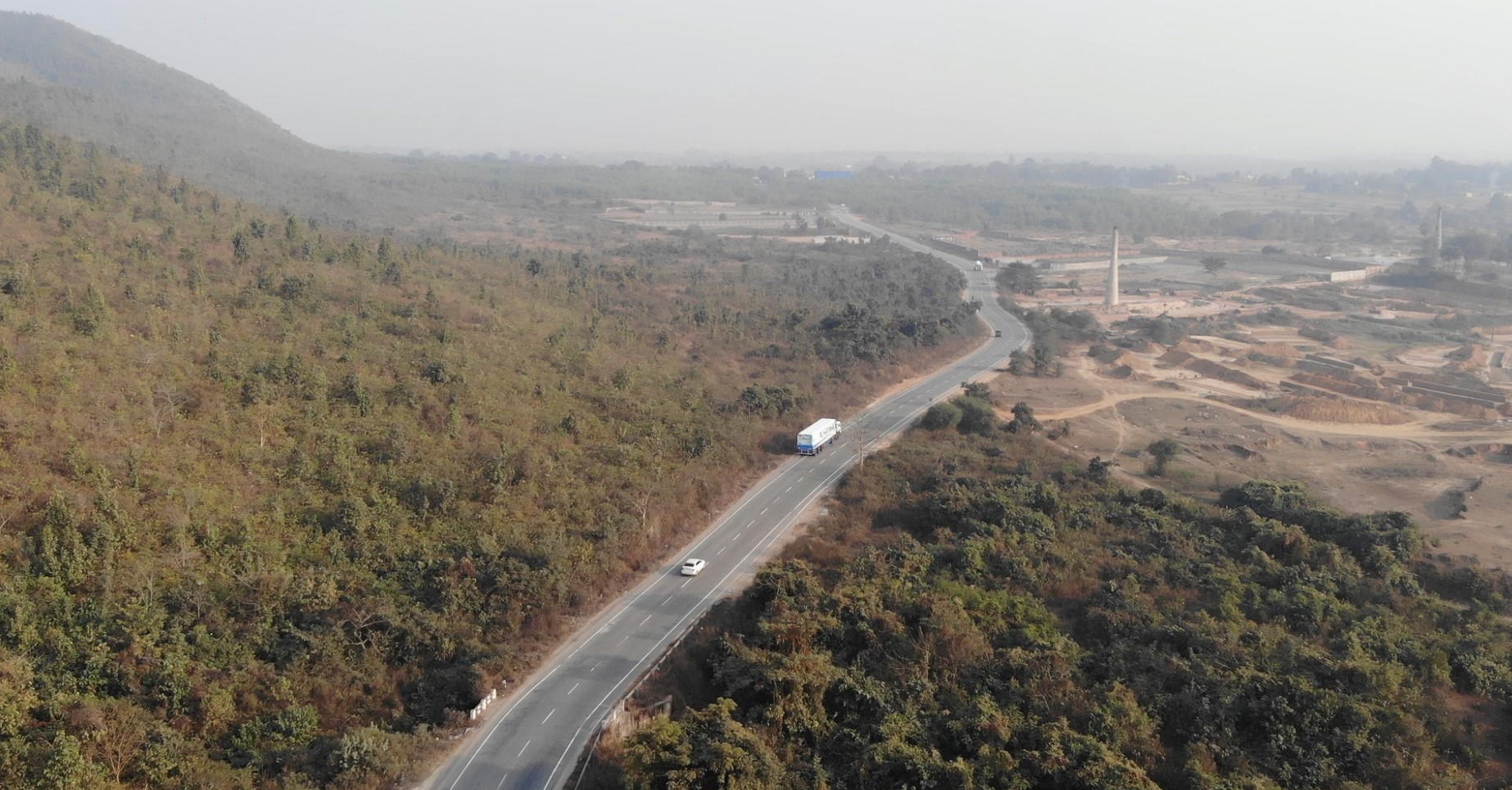
Road connectivity between Jamshedpur and nearby cities like Ranchi, Kolkata, and Odisha has improved significantly. Better highways and industrial corridors have supported trade and logistics movement.
Within the city, better traffic management, road widening, and organized public transport systems have made daily commuting easier for residents and workers.
4. Smart City Features and Civic Improvements
Over the decade, the city has moved toward smart urban governance with improved waste management, street lighting, surveillance systems, and better municipal services in key zones.
Green spaces, parks, lakes, and public areas such as Jubilee Park Jubilee Park have been maintained and enhanced, helping preserve the city’s reputation as one of India’s cleanest industrial cities.
5. Employment and Education
With the rise in logistics, manufacturing, IT-enabled services, and office operations, employment opportunities have increased. Educational institutions, skill development centers, and private training institutes have also expanded, supporting youth employment.
Conclusion
The last ten years have been a decade of balanced industrial and urban development for Jamshedpur. From roads and real estate to industries and civic amenities, the city has steadily moved forward while maintaining its disciplined planning heritage.
Jamshedpur today stands as a strong example of how an industrial city can grow into a modern urban center while retaining its identity and livability.