India is once again witnessing an important debate on Lok Sabha delimitation and representation. This process will determine how many Members of Parliament (MPs) each state and region will have in the future.
What are the Proposed Changes?
According to recent discussions, a proposal has been made to increase the total strength of the Lok Sabha. The key points include:
- Increasing Lok Sabha seats to around 800 or more
- Redistribution of seats between states and Union Territories
- Possible change from the 1971 Census-based seat allocation system
- Formation of a new Delimitation Commission based on the latest Census data
The main objective of these proposals is said to be the implementation of women’s reservation under the Nari Shakti Vandan Adhiniyam, 2023, which requires delimitation before execution.
Link Between Delimitation and Women’s Reservation
As per the law, 33% reservation for women is to be implemented in the Lok Sabha and State Assemblies. However, this can only be done after a fresh delimitation exercise based on updated Census data. Therefore, delimitation and women’s reservation are directly connected.
Debate on Regional Representation
Concerns have been raised in some states that if seat distribution is based purely on population, states with higher population growth may gain more representation, while states with lower population growth may see a reduction in their proportional share.
Context of Barak Valley, Assam
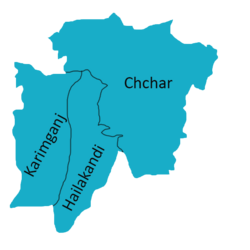
In Assam, the Barak Valley region has also become part of the discussion on delimitation. The region has historically been sensitive regarding political representation.
The key question being raised is how equal and fair representation will be ensured for all regions in the upcoming delimitation exercise.
Conclusion
Delimitation is not just about increasing the number of seats; it is about ensuring fair democratic representation and maintaining regional balance. The final outcome will depend on future policy decisions and the recommendations of the Delimitation Commission.