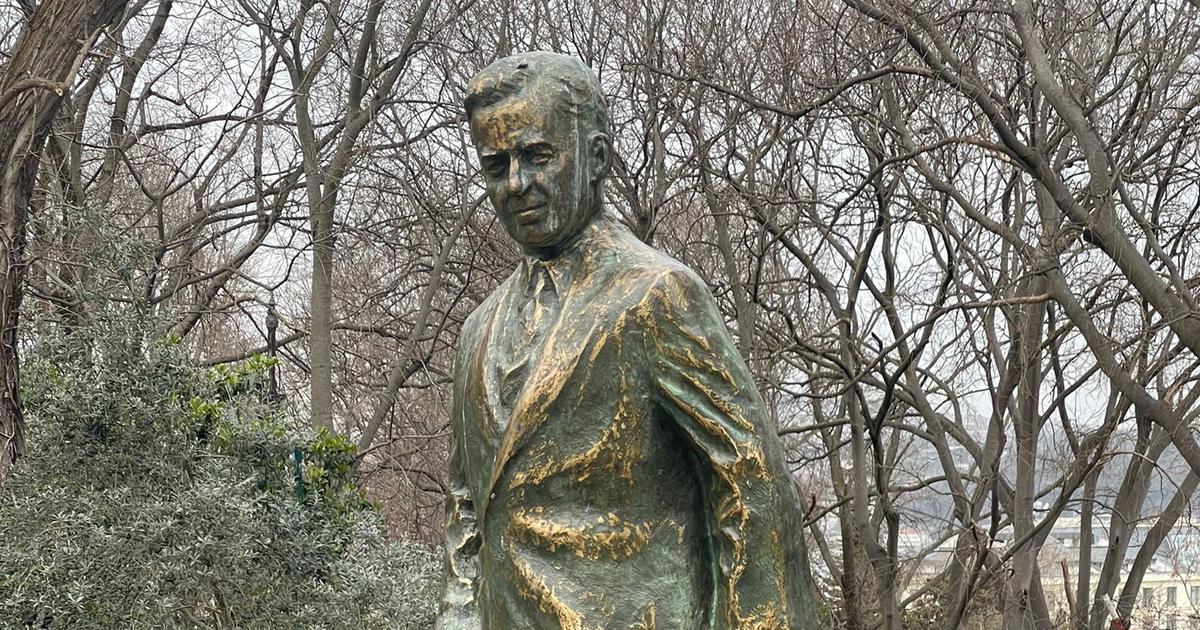
In a groundbreaking move that highlights the intersection of cultures, India has become the backdrop for the first major anthology of Behçet Necatigil’s poetry, titled Bearing Witness to the Age. This collection, translated by Neil P Doherty and Gökçenur Ç, presents a unique opportunity for English-speaking audiences to engage with one of the most significant figures in 20th-century Turkish literature. Necatigil’s work encapsulates a vision of Turkish modernism that is deeply rooted in the nuances of everyday life rather than lofty ideological manifestos.
Turkish modernism, unlike its Anglo-American counterpart, did not coalesce around a single identity or doctrine. Instead, it flourished as a rich tapestry of various poetic movements including Edebiyat-ı Cedide (The New Literature), Milli Edebiyat (National Literature), the Garip movement, Sosyalist Gerçekçilik (Socialist Realism), and İkinci Yeni (Second New). It wasn’t until the latter part of the 20th century that scholars began to retrospectively categorize this eclectic period as ‘modernism’. Among these diverse movements, the Second New stands out for its innovative use of imagery and its commitment to formal experimentation.
Necatigil’s relationship with the Second New movement is complex and somewhat ambivalent. While he did not formally align himself with its proponents, critics have noted a significant stylistic transformation in his poetry throughout the mid-20th century, reflecting the influences of this experimental movement. Bearing Witness to the Age offers a chronological journey through Necatigil’s career, beginning with his first collection, Evler (Houses, 1953), and culminating with the posthumously released Söyleriz (We Say, 1982). This structure allows readers to witness the evolution of his poetic voice over nearly three decades.
What sets Necatigil apart is his ability to weave intricate narratives that embody the essence of Turkish life, marked by a sense of fragile dignity. His poetry resonates with the everyday experiences of people, making it relatable to readers across different cultures, including India. As the Indian literary audience increasingly seeks global perspectives, Necatigil’s work emerges as a poignant reminder of the universal themes of love, loss, and the passage of time.
The publication of Bearing Witness to the Age not only bridges the gap between Turkish and Indian literature but also opens up a dialogue about the nature of modernism itself. It invites readers to explore how different cultural contexts shape the poetic form and content. In a world that often seems divided, Necatigil’s poetry serves as a testament to the shared human experience, and his poignant reflections on life echo the concerns of contemporary society.
As this collection makes its way into the hands of readers, it is set to spark a newfound appreciation for Turkish poetry in India and beyond, further enriching the global literary landscape. With its layers of meaning and emotional depth, Bearing Witness to the Age is not just a book of poetry; it is an invitation to witness the age through the eyes of one of Turkey’s most revered poets.