




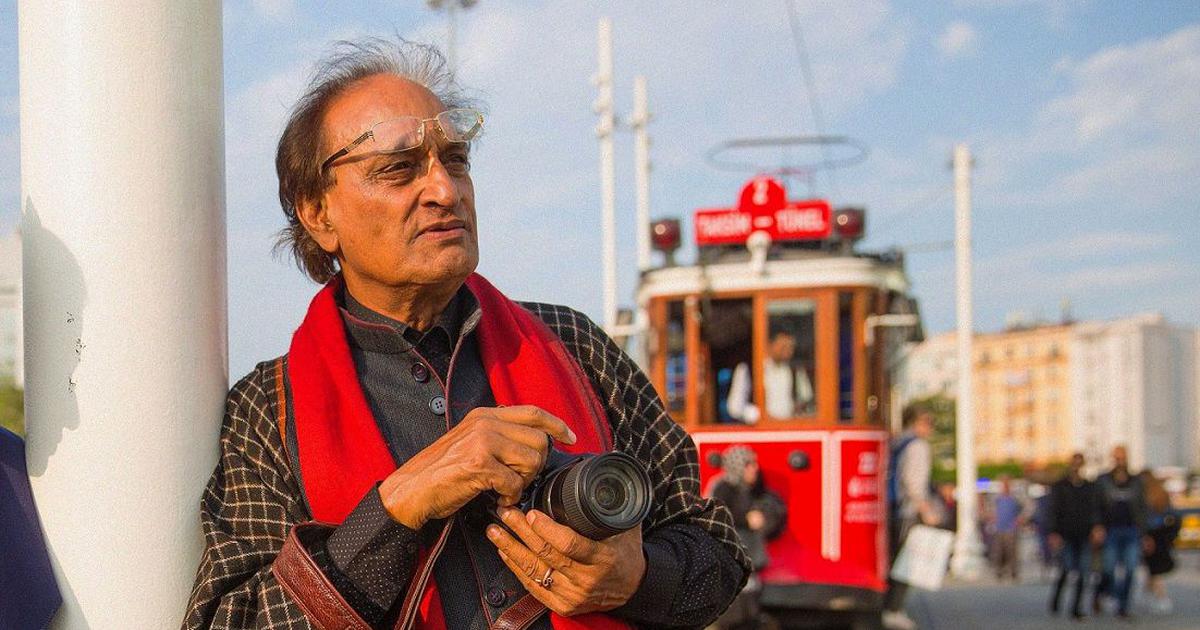
Raghu Rai, the eminent Indian photographer and journalist, left an indelible mark on the world of photography through his extraordinary ability to capture the essence of human survival amidst adversity. His life, which spanned from 1942 to 2026, was a testament to the power of visual storytelling, with a unique perspective that often transcended the lens of a camera.
From his formative years as a protégé of the legendary Henri Cartier-Bresson, Rai honed his craft in prominent Indian publications like The Statesman and India Today. His photographs, characterized by a profound emotional depth, have graced the pages of numerous international magazines and journals, making him a pivotal figure in photojournalism. His work not only documented significant events but also prompted viewers to reflect on their implications, particularly concerning the plight of the marginalized.
One of Rai’s most notable contributions to journalism was his coverage of the Bangladesh Liberation War in 1971 and the Bhopal gas tragedy in 1984. His images from the Bhopal disaster are hauntingly poignant; they capture the vacant expressions of survivors, evoking a sense of despair that resonates long after the photographs are viewed. In these images, the absence of hope is palpable, as the subjects seem to exist in a world where time stands still, forcing the audience to grapple with the harsh realities faced by those affected.
Rai’s work continuously interrogated themes of calamity—whether natural disasters, historical upheavals, or political turmoil. Through his lens, he explored the profound question of survival, highlighting the human capacity to endure amidst chaos. His keen observations of society’s underbelly revealed the harsh truths of displacement and loss, challenging viewers to confront uncomfortable realities.
Beyond the stark visual narratives, Rai’s photographs were imbued with a sense of empathy that transcended mere documentation. They were invitations to engage with the stories of those often relegated to the margins. Each image served as a reminder of the resilience of the human spirit, even in the face of insurmountable challenges. His legacy continues to inspire budding photographers and social activists alike, urging them to wield their cameras as tools for change, empathy, and justice.
As we remember Raghu Rai, we not only celebrate an exceptional artist but also reflect on the critical role of photojournalism in shaping public consciousness. His unwavering commitment to capturing the human condition reminds us of the stories that need to be told and the lives that deserve to be seen. In a world often overshadowed by apathy, Rai’s work stands as a beacon of hope, urging us to remain vigilant and compassionate observers of our shared humanity.

