Disruption in the Deep: Rising Risks in the Strait of Hormuz and Global Energy Security
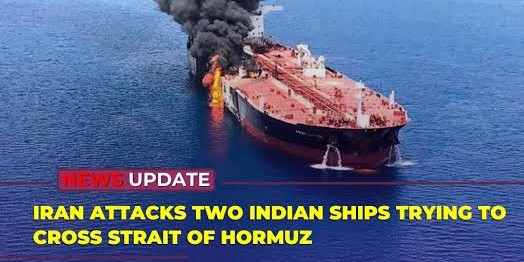
A Critical Maritime Corridor Under Pressure
The Strait of Hormuz remains one of the world’s most important energy chokepoints, with a significant share of global crude oil shipments passing through it daily. Any disruption in this narrow waterway has immediate implications for international energy markets, shipping security, and geopolitical stability.
In recent months, renewed tensions in the broader Middle East have once again drawn attention to the vulnerability of maritime trade routes. While official confirmation of direct attacks on commercial vessels remains limited, analysts continue to warn that the region is highly sensitive to escalation due to overlapping political and military interests.
Growing Security Concerns for Commercial Shipping
Shipping companies operating in the region have faced increased uncertainty due to:
- Regional military tensions involving multiple state and non-state actors
- Past incidents of vessel seizures and harassment in surrounding waters
- Heightened naval presence from several global powers
These conditions have led to periodic rerouting of vessels and increased insurance costs for oil tankers passing through the region.
Impact on Global Energy Markets
Even the perception of instability in the Strait of Hormuz can influence global crude oil prices. Markets respond quickly to risks involving:
- Possible supply disruptions
- Delays in tanker movement
- Increased freight and insurance premiums
Countries heavily dependent on Middle Eastern oil imports, including India, remain particularly sensitive to any prolonged disruption in supply routes.
Diplomatic Efforts and Strategic Responses
International stakeholders continue to emphasize the importance of keeping maritime routes open and secure. Diplomatic channels remain active, with calls for:
- Protection of civilian shipping under international maritime law
- De-escalation of regional tensions
- Multilateral cooperation to ensure freedom of navigation
Naval deployments by multiple countries in the Arabian Sea and surrounding waters are largely framed as deterrence and protection measures for commercial shipping.
Conclusion
While the Strait of Hormuz remains operational, the increasing frequency of geopolitical friction in the region highlights its strategic fragility. Experts caution that even limited disruptions—whether real or perceived—can have outsized consequences for global energy stability.
Ensuring the safety of maritime trade routes continues to be a shared international priority, especially as global energy demand and geopolitical competition both remain high.