The film industry often finds itself in a quest for originality, and ‘Dug Dug’ offers a fresh take that resonates well with contemporary Indian society. Directed by Ritwik Pareek, this unique film intertwines humor with an essential social commentary on blind faith, making it a story worth exploring. After five years since its initial screening at the Toronto International Film Festival, this Marwari-language film is finally hitting theaters, promising audiences a delightful mix of satire and surrealism.
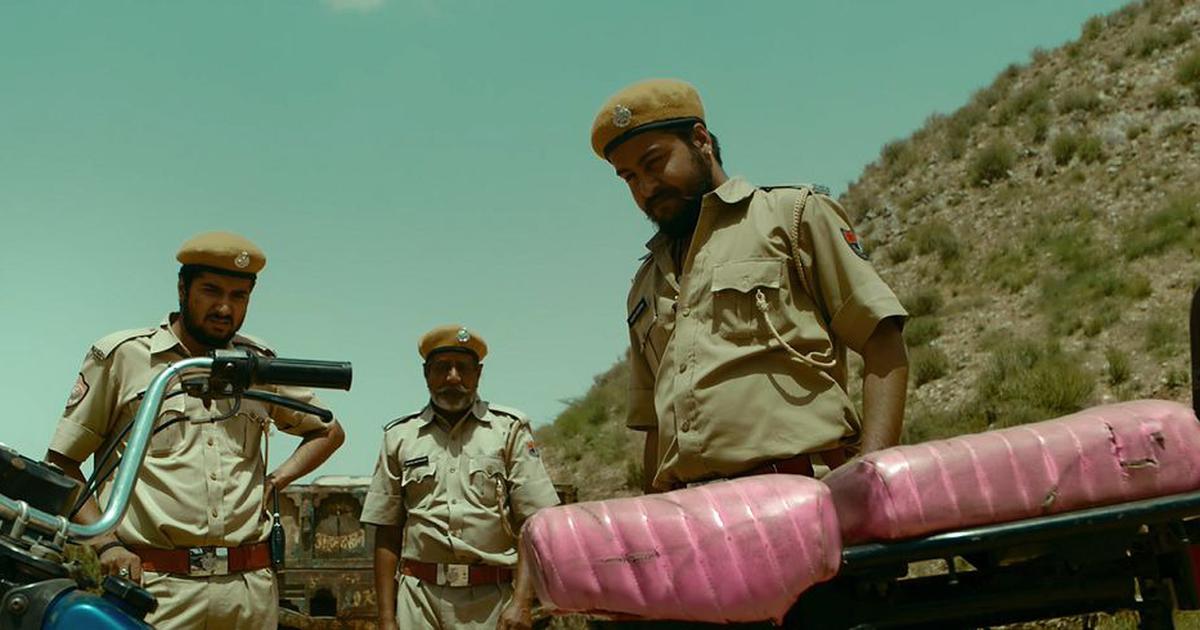
At the heart of ‘Dug Dug’ is the character Thakur, portrayed by Altaf Khan, who embarks on a reckless night ride on his Luna bike, only to end up in a precarious situation. This escapade sets off a chain of events that transforms his bicycle into a religious icon of sorts. Despite being confiscated by law enforcement, the bike mysteriously returns to the scene of the incident, much to the amazement of onlookers, including police officers Manphool, Pyare Lal, and Badri. Their bewilderment at the bike’s inexplicable abilities sparks rumors of a miracle, propelling Thakur from a local drunk to a revered divine messenger.
As the narrative unfolds, the bicycle evolves into a symbol of a burgeoning religion, complete with its vibrant aesthetic, drawing from Thakur’s favorite colors of pink and blue. The film cleverly critiques the trend of idolizing false deities, illustrating how easily people can become enamored with the absurd. Pareek’s storytelling is not merely cynical; it reflects a poignant resignation to the absurdities of life, urging viewers to reflect on their own beliefs and the origins of the idols they choose to follow.
The visual appeal of ‘Dug Dug’ is striking; Pareek’s artistic direction captures the whimsical yet serious tone of the narrative beautifully. The film is laced with deadpan humor that flows seamlessly, keeping audiences engaged while provoking thought. The tactile quality of the film enhances its storytelling, making it not just a cinematic experience but a feast for the senses that resonates with the eccentricities of Indian culture.
In a country where faith often blends seamlessly with daily life, ‘Dug Dug’ serves as a reminder of the fine line between reverence and ridicule. It challenges viewers to confront their own beliefs and the collective willingness to embrace the extraordinary, even when it stems from the ordinary. As the film prepares to greet audiences across India, it promises to spark conversations about faith, belief, and the very nature of divinity in today’s world.