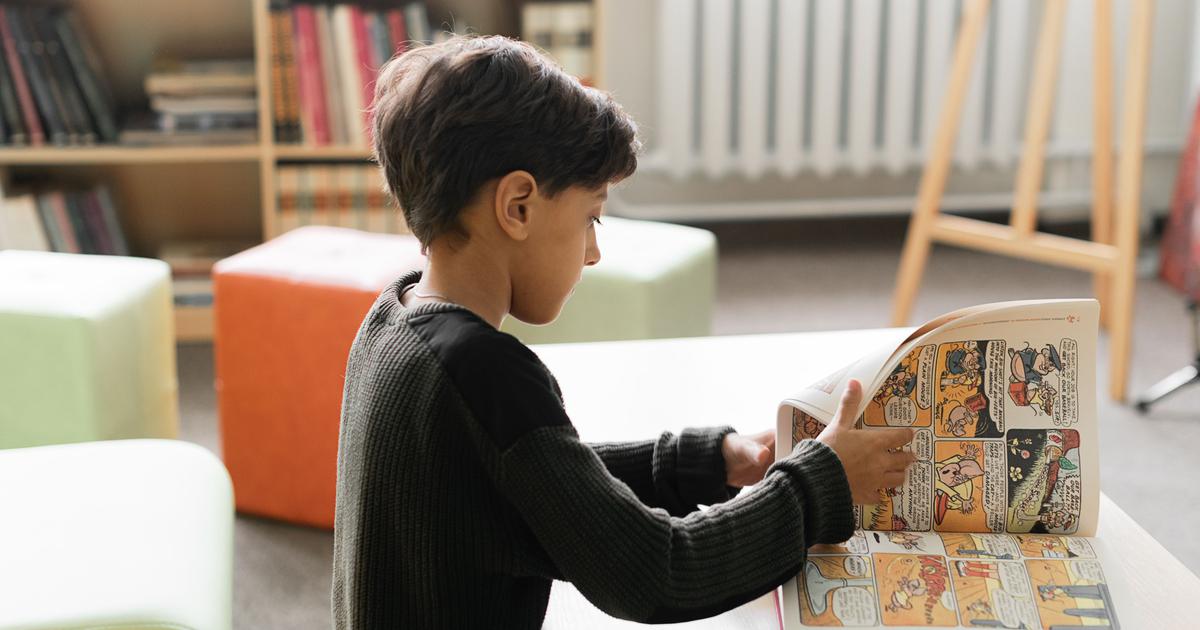
In today’s digital age, many Indian parents find themselves concerned about their children’s reading habits, particularly if they seem to prefer graphic novels over traditional literature. This common worry often leads to questions like, ‘How can I encourage my child to read something other than comics?’ However, recent insights suggest that this concern may be unfounded. In fact, it may be time to celebrate the rise of graphic novels as a powerful tool for enhancing literacy skills.
Graphic novels, such as the popular series like Heartstopper and The Babysitters Club, have become bestsellers not just in Western markets but also in Indian schools. On the other hand, original graphic novels like Art Spiegelman’s poignant work Maus and Shane Koyczan’s To This Day are increasingly making their way into high school curricula across the country. The colorful illustrations and engaging storytelling of these books can captivate young minds, encouraging them to delve deeper into the world of reading.
Contrary to the belief that graphic novels may hinder reading development, research indicates that they can actually foster critical literacy skills. The act of reading involves several complex processes, including decoding text, comprehension, and narrative engagement. Recent studies have shed light on how graphic novels can enhance these skills, making them a valuable addition to a child’s reading repertoire. Children who immerse themselves in these visual narratives tend to develop a stronger connection to reading, showing improved comprehension and a more positive attitude towards books.
Moreover, students who engage with graphic novels often develop a sense of identity as readers. They are more likely than their peers who avoid comics to view themselves as proficient in reading. This shift in perception can be particularly important in a country like India, where fostering a love for reading can be pivotal in a child’s educational journey. Graphic novels, with their unique blend of visuals and text, can serve as a bridge for reluctant readers, drawing them into stories and encouraging them to explore further.
The ongoing debate over reading pedagogy has evolved over decades, with educators increasingly recognizing the cognitive benefits of diverse reading materials. The advent of neuroscience has further illuminated how different forms of literature can impact brain function and literacy development. As India navigates its way through a rapidly changing educational landscape, embracing graphic novels as legitimate reading material could pave the way for a new generation of enthusiastic readers.
To support young readers in this journey, parents and educators should consider incorporating graphic novels into their reading lists. Schools can also play a pivotal role by ensuring that libraries are well-stocked with a variety of graphic novels, creating a welcoming environment for all types of readers. By doing so, they not only provide children with enjoyable reading experiences but also help them cultivate critical skills that will serve them well in the future.