




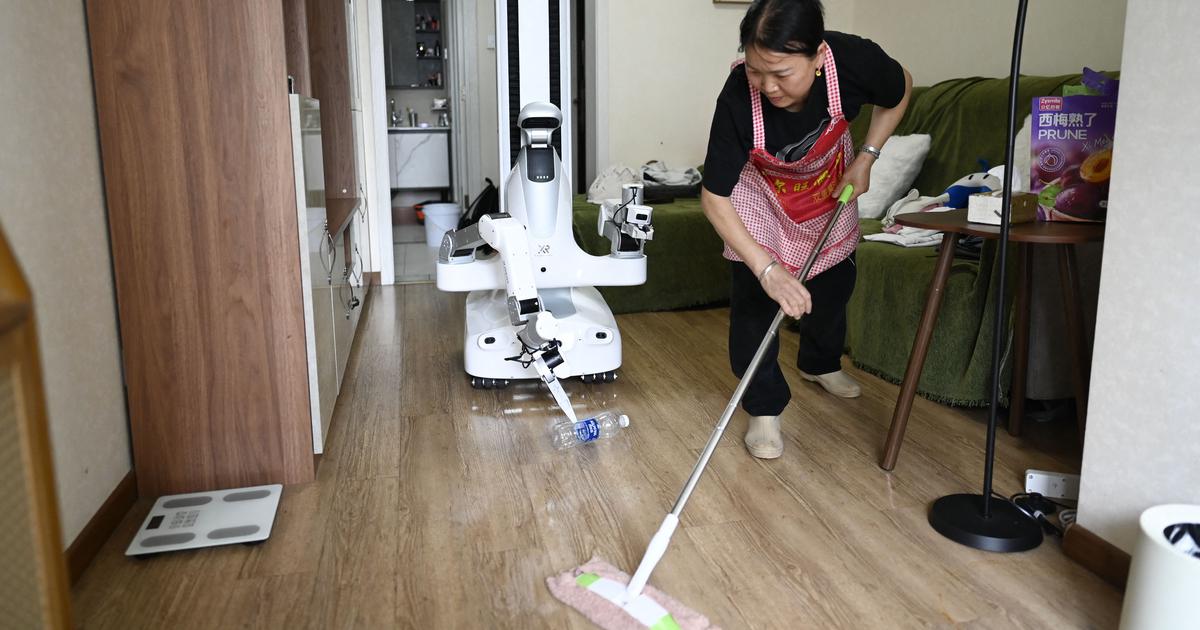
In a remarkable intersection of human labor and advanced technology, Chinese robotics firms are turning to innovative methods for training their humanoid robots. A recent example unfolds in Beijing, where resident Daniel Wang encountered a humanoid robot at his doorstep, ready to assist him. Developed by Shenzhen’s X Square Robot, this robot was programmed to perform simple household tasks—folding clothes and organizing shoes—largely aided by a human housekeeper.
What makes this scenario intriguing is the primary goal of the robot’s presence: it was there to gather training data from a genuine home environment. Wang, who spent 149 yuan (approximately $22) for a three-hour session, expressed his comfort with allowing the robot to capture footage of his household activities. “I feel like I made some contribution to physical AI,” he remarked, highlighting how such initiatives pave the way for advancements in robotic capabilities.
The robotics industry, particularly in China, faces a significant hurdle: a lack of comprehensive training data that encompasses complex visual and movement scenarios. Traditionally, robots were trained through teleoperation, requiring human operators to repetitively engage with machines to teach them tasks like folding laundry or utilizing kitchen appliances. However, this approach is both costly and inefficient, ultimately falling short of preparing robots for the diverse challenges they will encounter in everyday life.
To overcome these challenges, Chinese tech companies are pioneering creative solutions to generate realistic training data. These firms are leveraging the relatively low costs of human labor in the country to create environments where robots can learn in real time. By exposing robots to actual home settings, they can better understand the nuances of human interaction and physical tasks, which is critical for their development.
This method not only accelerates the learning process for robots but also ensures they are better equipped to handle the variety of situations they will face. The implications of such advancements extend beyond household chores; they suggest a future where robots could seamlessly integrate into various aspects of daily life, from caregiving to complex industrial tasks. As India and other nations observe these developments, the potential for similar innovations in their own tech landscapes becomes increasingly apparent, urging a closer look at the intersection of human labor and robotics.

