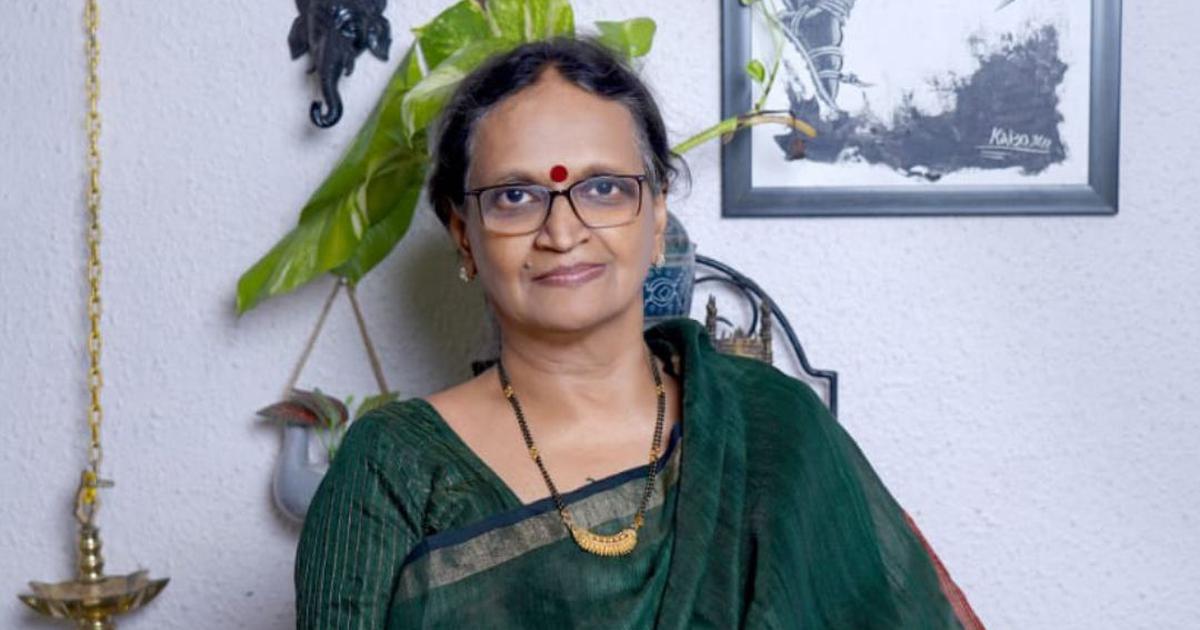
‘A Kind of Meat and Other Stories’ by Catherine Thankamma delves into the intricacies of ordinary life, shedding light on the subtle yet profound tremors that impact human relationships and societal norms. These narratives present a dual lens of interpretation: on one hand, they reflect the entrenched conservative values that still define a significant portion of Indian culture, and on the other, they reveal the often-overlooked stories of everyday individuals navigating their lives amidst these constraints.
The collection does not engage in grandiose themes of environmentalism or dystopian futures; rather, it zeroes in on the mundane realities that shape our existence. In an era where millennials, like myself, are progressively aware of the silent battles endured by others, Thankamma’s storytelling resonates deeply. Her characters face challenges that mirror the experiences of countless individuals who grapple with societal expectations and personal traumas, often in silence.
Take, for instance, the title story where a young girl unintentionally stirs controversy by claiming she has consumed beef in a bid to impress her landlord’s wife. This innocuous act unravels into an instance that magnifies the broader societal fissures regarding food choices, identity, and the weight of tradition. Likewise, another poignant narrative features a girl who is ridiculed when she confides in her mother and aunt about an inappropriate encounter with a relative’s son. Through these vignettes, Thankamma underscores a troubling pattern: the tendency to dismiss women’s experiences, regardless of their age or educational background, particularly when these stories challenge the status quo.
In this collection, Thankamma masterfully captures the essence of life’s complexities, using the backdrop of ordinary settings to expose the extraordinary struggles faced by her characters. Her stories are not just tales; they are a reflection of a society that often overlooks the voices of the vulnerable. The characters evoke a sense of familiarity, and their experiences resonate with the unspoken realities that many encounter but seldom articulate. By choosing to highlight these narratives, Thankamma not only brings attention to individual struggles but also initiates a dialogue about the larger societal issues that persist in contemporary India.
As readers engage with ‘A Kind of Meat and Other Stories’, they are invited to reflect on their own experiences and the subtle, often overlooked tremors that shape their realities. The collection serves as a reminder of the importance of listening to each other’s stories, validating our shared pain and experiences. Ultimately, Thankamma’s work not only entertains but also encourages introspection, fostering a greater understanding of the human condition within the rich tapestry of Indian society.