In his latest work, journalist Josy Joseph dives into the intricate and often tumultuous history surrounding the accession of the North Eastern states of India. Drawing parallels to the ongoing situation in Kashmir, Joseph sheds light on the series of events that not only shaped the region’s political landscape but also its cultural fabric.
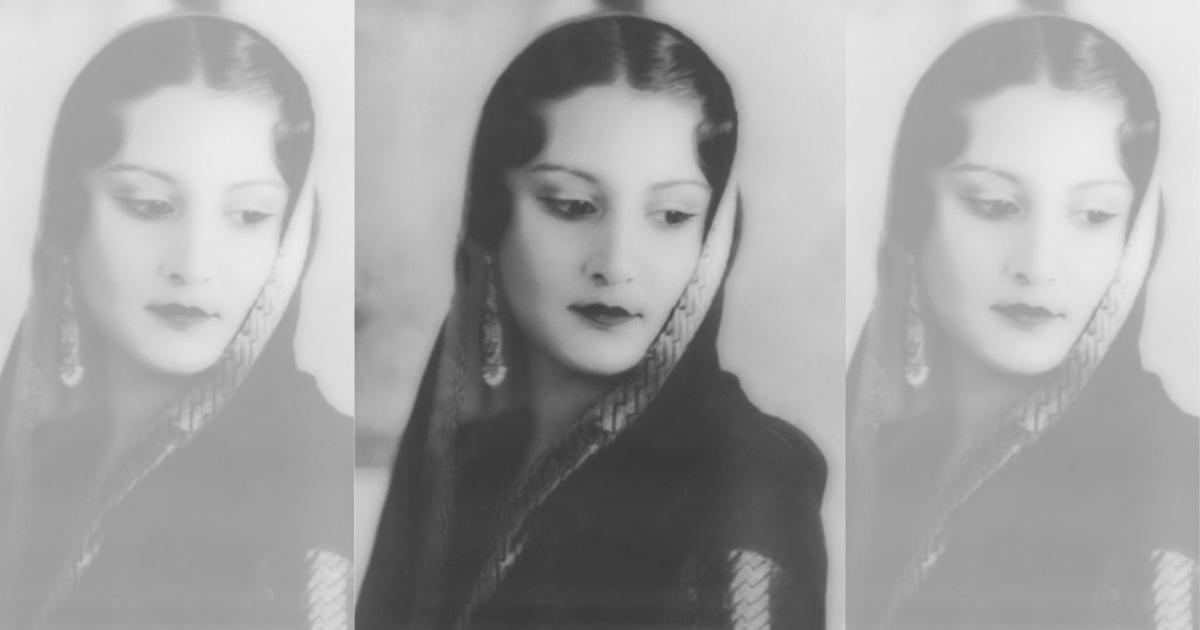
One of the focal points of Joseph’s narrative is the significant role played by Sir Muhammed Saleh Akbar Hydari, who served as the Governor of Assam during a critical period in 1947. Under Hydari’s leadership, attempts were made to forge a cohesive agreement with the Khasi community, one of the prominent ethnic groups residing in the present-day state of Meghalaya. The Khasis, known for their unique matrilineal society, found themselves at a crossroads as they navigated their identity amid the backdrop of India’s independence.
In July 1947, after a series of discussions with representatives from the federation of 25 Khasi states, Hydari was able to broker an agreement aimed at curbing separatist sentiments. This deal, which was forwarded to key figures such as Vallabhbhai Patel and Jawaharlal Nehru, established a standstill arrangement meant to last for two years. It allowed for regional autonomy in most areas, with the notable exceptions of judicial matters, excise, forestry, and land and water rights. An important aspect of this agreement was the acceptance by the Khasi states of the Assam High Court as the final authority, thereby linking their legal framework to that of Assam.
Hydari’s vision was that this standstill period would provide the central government with the necessary time to devise satisfactory solutions to the complex issues faced by the region, including the status of the Shillong-Administered Area. However, reaching even this temporary agreement was fraught with challenges, underscoring the delicate balance required to maintain peace and order in the face of rising dissension.
As Joseph articulates these historical complexities, he offers readers a nuanced understanding of the tensions that have persisted in the region. The narrative not only serves as a reminder of the socio-political struggles that have marked the North East but also invites reflection on the ongoing challenges that continue to affect the lives of its residents today. With vivid storytelling and rigorous research, Joseph’s book is an essential read for anyone interested in the intricate tapestry of India’s history and its diverse cultures.