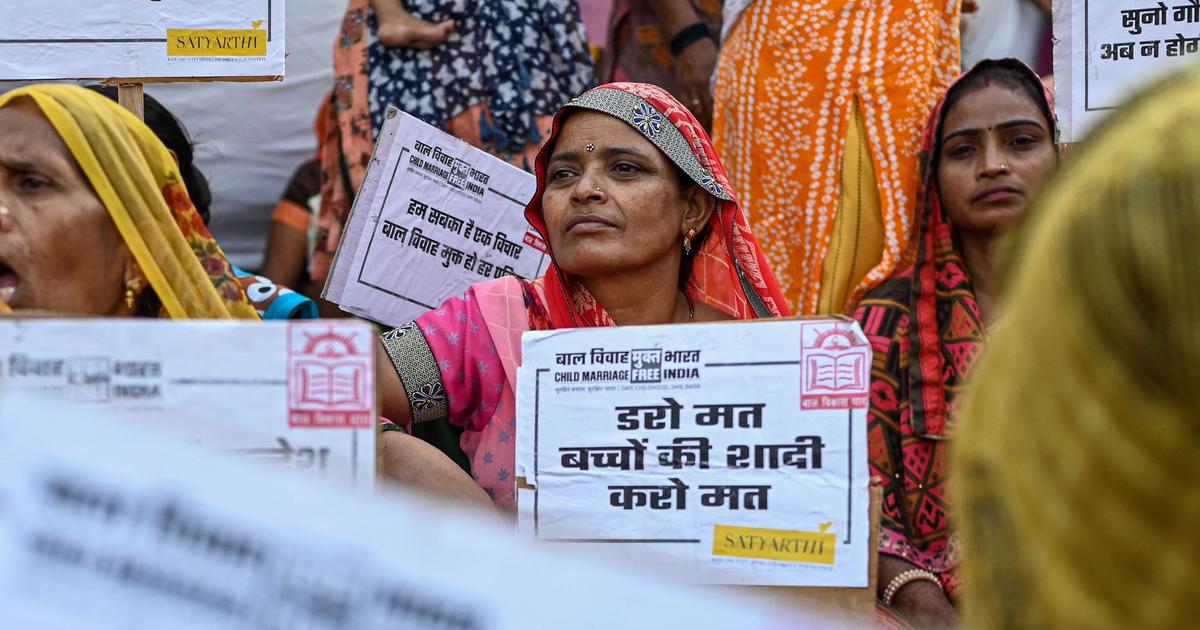
India has seen commendable advancements in the fight against child marriage over the last two decades, according to findings from the latest National Family Health Survey (NFHS). However, the persistent issue of adolescent pregnancies underscores that while legal reforms have been implemented, changes in societal attitudes still lag behind.
The sixth iteration of the NFHS, which surveyed 679,238 households during 2023-2024, revealed that 20.1% of women aged 20-24 were married before they turned 18, a decrease from 23.3% reported in the previous survey (NFHS-5, conducted between 2019-2021). This positive trend reflects some progress in addressing child marriage, although it also highlights the lingering prevalence of this practice in various regions of the country.
Longitudinal data shows that child marriage rates have significantly declined from 47.4% in 2005-2006 (NFHS-3) to 26.8% in 2015-2016 (NFHS-4). Despite these improvements, millions of girls continue to marry before reaching adulthood, indicating that the issue remains far from resolved. Experts emphasize that India’s ambitious target to eliminate child marriage by 2030 may not be achievable without intensified efforts to reshape social norms and improve education.
One of the most concerning aspects of the NFHS-6 findings is the stagnation in rates of adolescent pregnancy. The data reveals that 6.7% of women and teenage girls aged 15-19 are already mothers or expecting a child. This lack of change signals that while marriage rates may be declining, the underlying issues fueling early pregnancies still persist, compounding the challenges faced in eradicating child marriage.
The cultural and socio-economic factors contributing to child marriage are deeply ingrained in Indian society. In many communities, traditional beliefs and economic pressures continue to push families to marry off their daughters at young ages. Programs aimed at empowering girls through education and awareness are pivotal, yet they must be coupled with community engagement to challenge and change the entrenched customs that support child marriage.
As the government and NGOs work together to combat this issue, it is crucial to recognize that legal age limits alone will not suffice. A holistic approach that includes education, healthcare, and social advocacy is essential to create a supportive environment for young girls. Ongoing education initiatives and community dialogues can play a transformative role in shifting perceptions and ultimately reducing the incidence of child marriages in India.