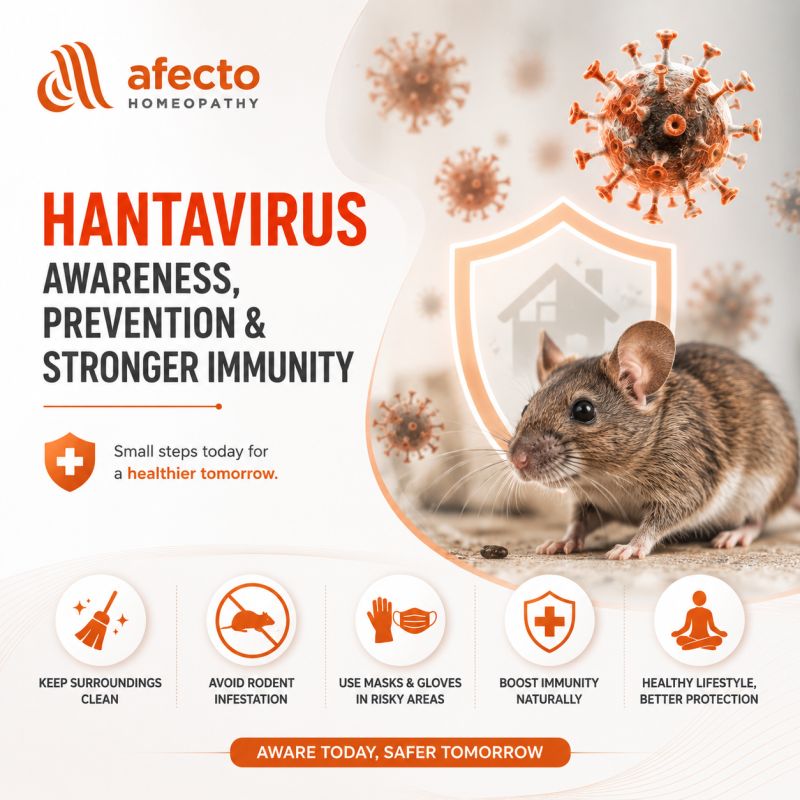
Recent reports of hantavirus cases linked to an international cruise ship have raised public concern and questions about the virus and its risks.
Health experts say hantavirus infections are generally rare and are primarily linked to exposure to infected rodents.
What is Hantavirus?
Hantavirus is usually spread through contact with infected rodents, especially through their urine, droppings, or saliva. People may become infected after inhaling contaminated particles in closed or poorly ventilated spaces.
According to global health authorities, most hantavirus strains are not known to spread easily from person to person. Limited human-to-human transmission has been observed only in certain rare strains, such as the Andes virus.
At present, the overall risk to the general public remains low.
Prevention Measures
Health experts recommend the following precautions to reduce risk:
- Keep homes and surroundings clean
- Prevent rodent infestations in living and work areas
- Use gloves and masks while cleaning dusty or closed spaces
- Avoid direct contact with rodent waste
- Maintain healthy lifestyle habits, including proper sleep and nutrition
Doctors say maintaining overall health and immunity through balanced nutrition, hygiene, exercise, and timely medical care is important in reducing the risk of infections.
Medical professionals advise the public to stay informed through verified health sources and avoid unnecessary panic.
This article is for awareness and educational purposes only. Consult qualified healthcare professionals or public health authorities for medical advice.