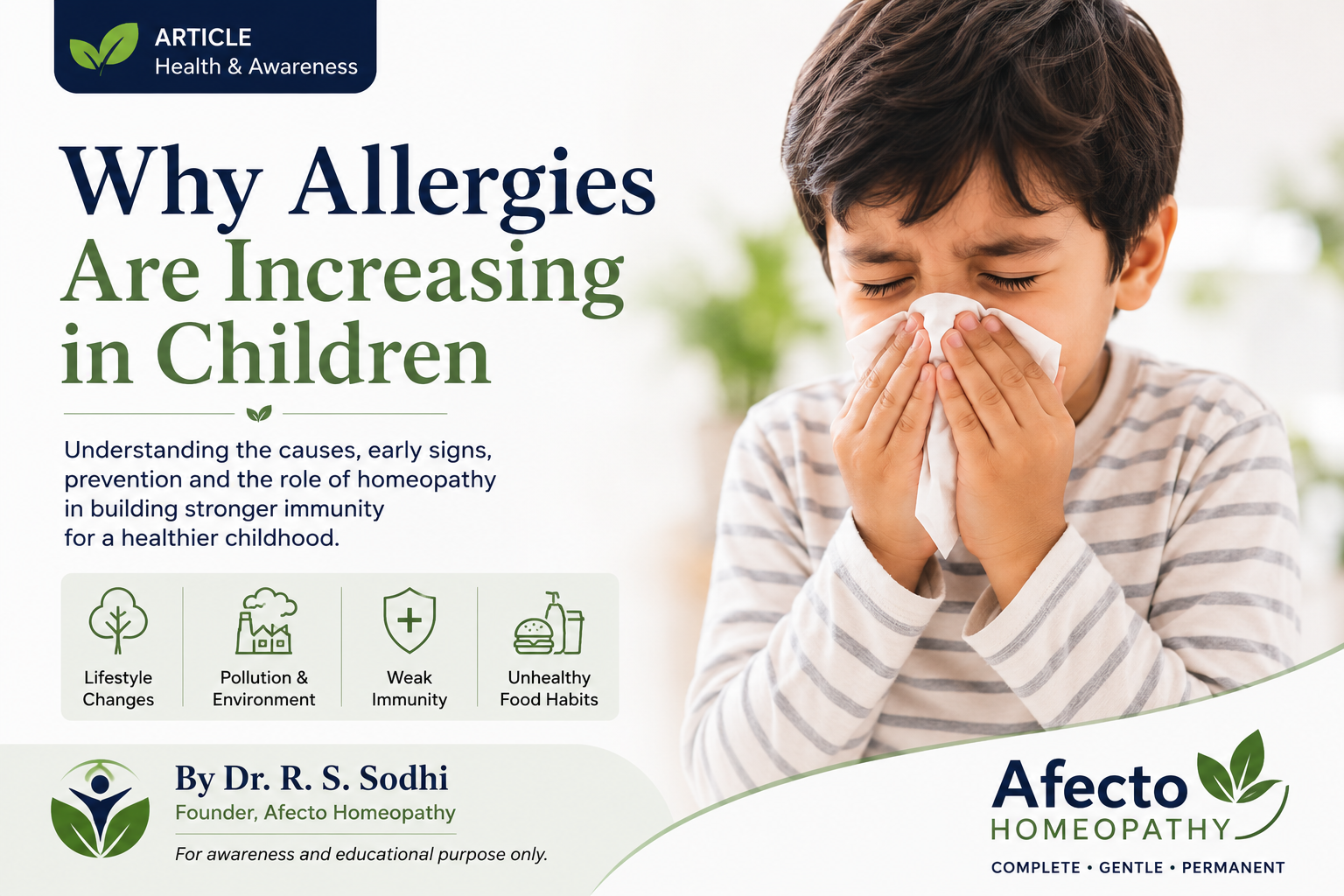
Allergies among children are becoming increasingly common. Parents today frequently report issues such as sneezing, allergic rhinitis, recurrent cough, skin rashes, wheezing, asthma, dust allergy, and food sensitivities even at a young age.
Health experts believe this increase may be linked to a combination of environmental changes, lifestyle patterns, dietary habits, and genetic factors.
One major reason is rising pollution and exposure to chemicals. Children are regularly exposed to dust, smoke, vehicle pollution, artificial fragrances, pesticides, and other airborne irritants that may affect the respiratory system and increase sensitivity.
Changing food habits are also considered an important factor. Increased consumption of junk food, packaged snacks, soft drinks, preservatives, artificial colors, and high-sugar products may affect overall health and immunity. Balanced nutrition and proper digestion are important for maintaining good health.
Modern lifestyle patterns may also contribute to allergic conditions. Reduced outdoor activity, lack of exercise, irregular sleep schedules, excessive screen time, and stress can negatively affect children’s overall well-being.
Doctors also caution against unnecessary use of antibiotics or self-medication without proper medical supervision, as this may affect the body’s natural defense mechanisms in some cases.
Family history can also play a role. Children with a history of allergies, asthma, eczema, or sinus-related conditions in the family may be more likely to develop allergic tendencies.
Parents are advised not to ignore symptoms such as:
- Frequent sneezing
- Nose blockage
- Recurrent cold and cough
- Mouth breathing
- Skin itching or rashes
- Wheezing
- Watery eyes
- Seasonal breathing difficulty
If left unmanaged, allergies may affect sleep, concentration, school performance, and overall quality of life.
Health experts recommend several preventive measures, including:
- Encouraging outdoor physical activity
- Providing balanced and nutritious food
- Reducing junk food and excessive sugar intake
- Maintaining proper sleep habits
- Keeping homes clean and dust-free
- Avoiding unnecessary medication use
- Supporting children’s emotional well-being
Medical professionals suggest that parents seek timely medical advice and focus on improving long-term health, immunity, and healthy lifestyle habits in children.
For awareness and educational purposes only. Consult a qualified healthcare professional before starting any treatment.