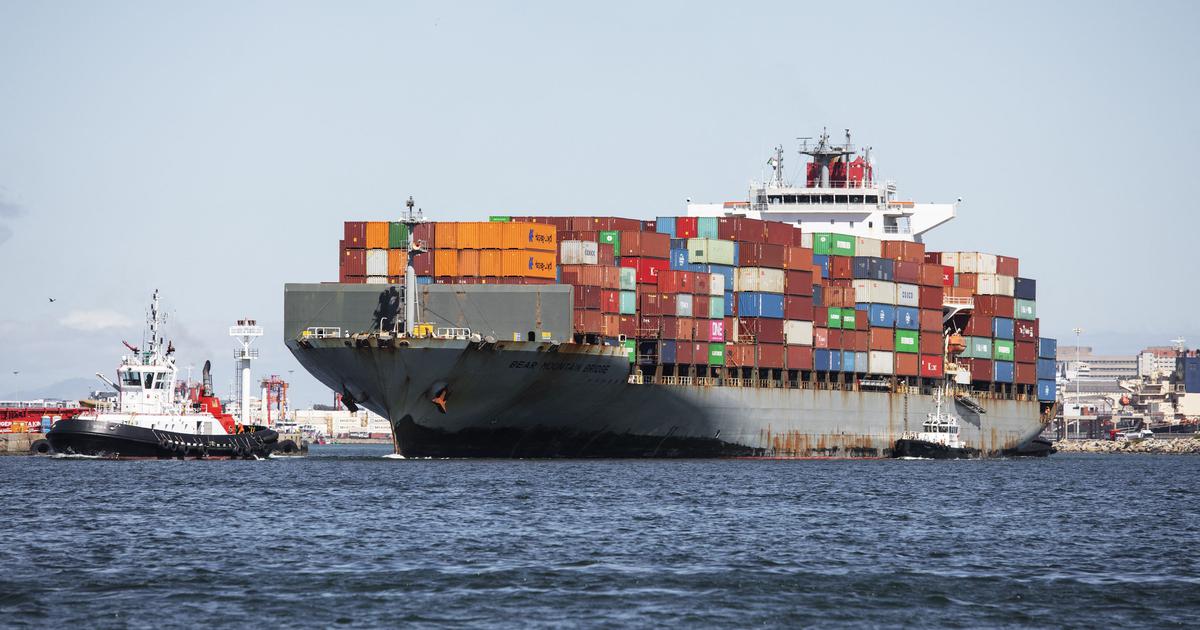
In today’s interconnected world, the dynamics of trade extend far beyond mere economic exchanges. Recent discourse suggests that political leaders across the globe are increasingly using trade as a strategic instrument to exert influence, sway public opinion, and even wage conflict. This notion highlights a crucial aspect of international relations: trade can be weaponised, serving not just as an economic tool but as a means to manipulate political outcomes.
The concept of trade as a coercive measure is particularly relevant in understanding how governments interact with one another. When a country opts to impose trade sanctions or embargoes, its intent often goes beyond economic ramifications. These actions are designed to compel another state to alter its policies or reconsider its internal decision-making processes. However, this is often more complex than it appears. The decisions made by leaders are influenced by a multitude of factors, and misunderstanding these variables can lead to flawed interpretations of their actions.
For instance, a leader perceived as irrational may actually be responding to a series of internal pressures that are invisible to external observers. They might be managing fears of emerging threats or responding to a national narrative that prioritizes aggressive actions over diplomatic ones. In this context, trade sanctions can be seen not just as economic measures but as attempts to ‘nudge’ leaders into a different decision-making calculus. However, the effectiveness of such nudges hinges on several factors, including the severity of the trade tools employed and the specific political environment of the targeted nation.
Take, for example, the long-standing U.S. embargo against Cuba. Despite the rigorous application of economic sanctions, the United States has struggled to achieve its aim of regime change in Cuba. This serves as a potent reminder of the challenges inherent in using trade as a weapon. Changing a government’s leadership through sanctions is a daunting task, often mired in unintended consequences and counterproductive outcomes. Leaders may dig in their heels, rallying domestic support against perceived external aggression, which can further entrench their positions.
As India navigates its own complex relationships within the global trading landscape, understanding the nuances of trade as a political weapon becomes increasingly important. With the rise of economic nationalism and protectionist policies shaping global trade dynamics, Indian policymakers must grapple with the implications of their trade decisions not just for economic growth but also for national security and international standing. In an era where trade agreements are often tied to geopolitical alliances, the stakes have never been higher.