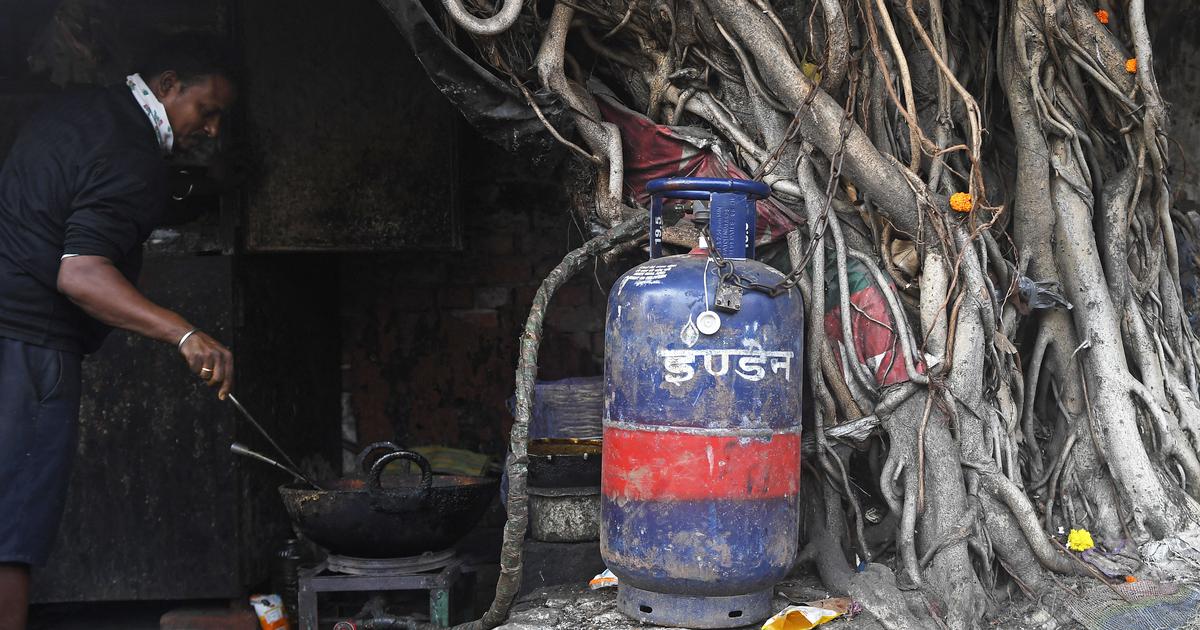
The Indian government has announced the lifting of restrictions on the supply of non-domestic packed liquefied petroleum gas (LPG), restoring the situation to pre-crisis levels prior to the conflicts in West Asia. This crucial decision is poised to provide significant relief to various sectors, especially restaurants, hotels, and other businesses relying heavily on LPG supplies.
The Ministry of Petroleum and Natural Gas stated that the easing of restrictions extends not only to commercial LPG but also to bulk supplies, with a restoration to 50% of consumption levels seen before the crisis. This development follows a notable improvement in the overall LPG supply situation, which has been affected by geopolitical tensions for the past several months.
Throughout the recent West Asian crisis, the Indian government exercised its emergency powers granted under the Essential Commodities Act, facilitating the prioritization of hydrocarbon streams for LPG production over other industrial uses such as petrochemicals. This strategic move was aimed at ensuring enhanced domestic LPG availability, necessary for meeting the rising demand amid global supply disruptions.
With diplomatic efforts progressing between the United States and Iran, the Indian government is optimistic about a decrease in the diversion of hydrocarbon streams back to the LPG pool. Officials emphasized that this adjustment will not compromise domestic LPG supplies, with production levels being maintained at a minimum of 40,000 metric tons per day. Such measures highlight the government’s commitment to ensuring that households across the country continue to receive uninterrupted LPG supplies.
The Ministry underscored that since the beginning of global supply challenges tied to the West Asian crises, ensuring a steady availability of LPG to domestic consumers has been a top priority. The timely decision is expected to stabilize the market and alleviate the pressures faced by businesses that depend heavily on LPG, thereby fostering economic recovery in the post-crisis landscape.