Category: Environment & Climate Change | Date: May 16, 2026
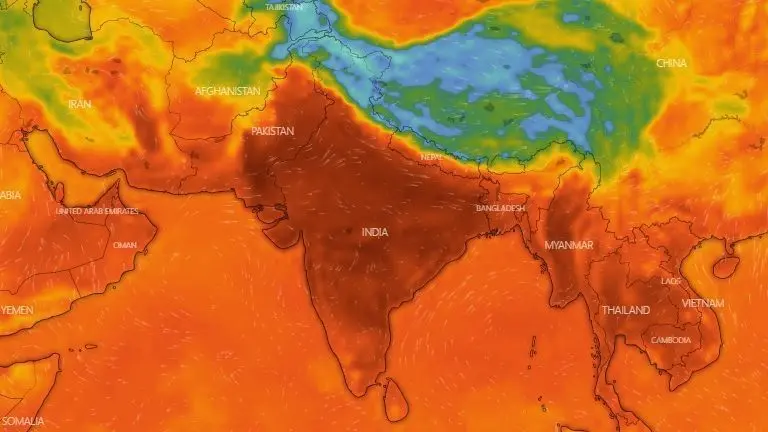
Several parts of India are continuing to experience intense heatwave conditions amid concerns that El Niño-related weather patterns may affect temperatures, rainfall distribution and pre-monsoon activity across the region in the coming weeks.
Meteorological experts and climate observers have indicated that warmer-than-normal sea surface temperatures in parts of the Pacific Ocean could influence global weather systems, including conditions over the Indian subcontinent. However, experts continue to monitor developments and assess the possible impact on India’s weather and monsoon patterns.
Rising Heatwave Conditions
Many states across Northwest, Central and Peninsular India have reported high temperatures in recent days, with some areas recording temperatures above 45 degrees Celsius. The prolonged heat has increased pressure on electricity demand, water supply systems and public health infrastructure.
Weather experts note that reduced pre-monsoon activity in some regions may contribute to extended periods of dry and hot weather during the second half of May.
Concerns Over Water Availability
Lower rainfall activity and high evaporation rates have raised concerns regarding reservoir levels and drinking water availability in several states, including Maharashtra, Karnataka and Telangana. Authorities in multiple regions are monitoring water storage levels and implementing conservation measures where necessary.
Possible Impact on Monsoon
According to historical weather patterns, El Niño conditions have at times been associated with below-normal monsoon rainfall in India. Meteorologists and agencies including the India Meteorological Department are continuing to monitor the situation closely ahead of the Southwest Monsoon season.
Experts caution that the eventual monsoon outcome will depend on several atmospheric and oceanic factors over the coming weeks.
Government and Local Preparedness
Authorities in several cities have activated heat action plans, including:
- Advisories to avoid outdoor exposure during peak afternoon hours
- Arrangements for cooling centres and emergency medical support
- Water conservation campaigns
- Guidance for farmers regarding drought-resistant crops and efficient irrigation practices
Climate experts say long-term adaptation measures, improved forecasting systems and sustainable water management will remain important as India faces increasing climate variability.
Citizens have been advised to stay hydrated, avoid unnecessary outdoor activity during peak heat hours and follow official weather advisories issued by local authorities.