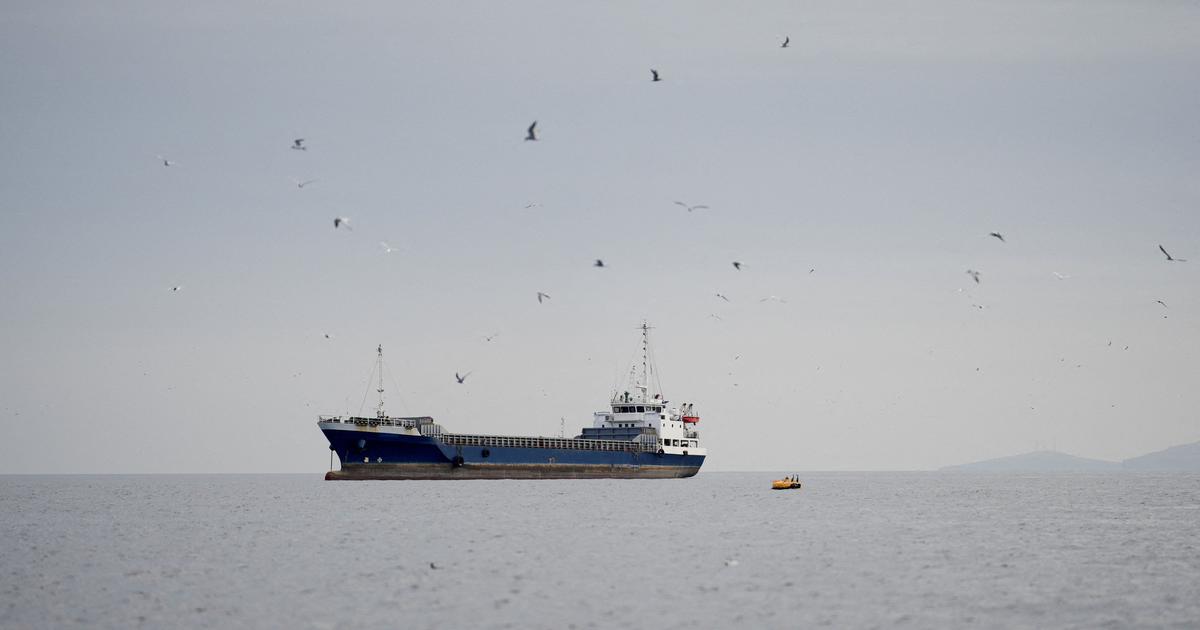
In a significant diplomatic move, India summoned Jason Meeks, the Chargé d’Affaires of the United States, on Wednesday to express its strong discontent following an American military strike on a commercial tanker in the Gulf of Oman. The incident has raised urgent concerns as three Indian crew members have gone missing from the Palau-flagged vessel, Settebello, which was reportedly attempting to transport oil from Iran.
The backdrop of this incident reveals a tense maritime environment, as the US Central Command stated that the Settebello was neutralized due to its violation of a maritime blockade imposed on Iranian-related traffic. Of the 24 Indian seafarers aboard the vessel, 21 have been rescued, but the fate of the remaining three is currently unknown.
This strike is the second such incident involving Indian crew members within a short span of time; the day prior, another vessel, the Marivex, which also had an all-Indian crew, was targeted under similar circumstances. Fortunately, all crew members aboard the Marivex were rescued. Nevertheless, these occurrences have prompted serious concerns about the safety of Indian nationals operating in volatile maritime sectors.
The Ministry of External Affairs in India has condemned the US action, calling for an immediate de-escalation of tensions in the region. Officials have emphasized the urgency of engaging in diplomatic negotiations to restore peace and stability, reflecting a broader call for restraint amid rising geopolitical tensions involving the US, Iran, and their competing interests in the Gulf.
As tensions continue to escalate in the region, the Indian government faces the dual challenge of ensuring the safety of its citizens while navigating complex diplomatic waters. The repeated incidents involving Indian vessels highlight the precarious nature of maritime operations in areas affected by international sanctions and military interventions.