Supreme Court Endorses Controversial Electoral Roll Revision, Raising Concerns Across India
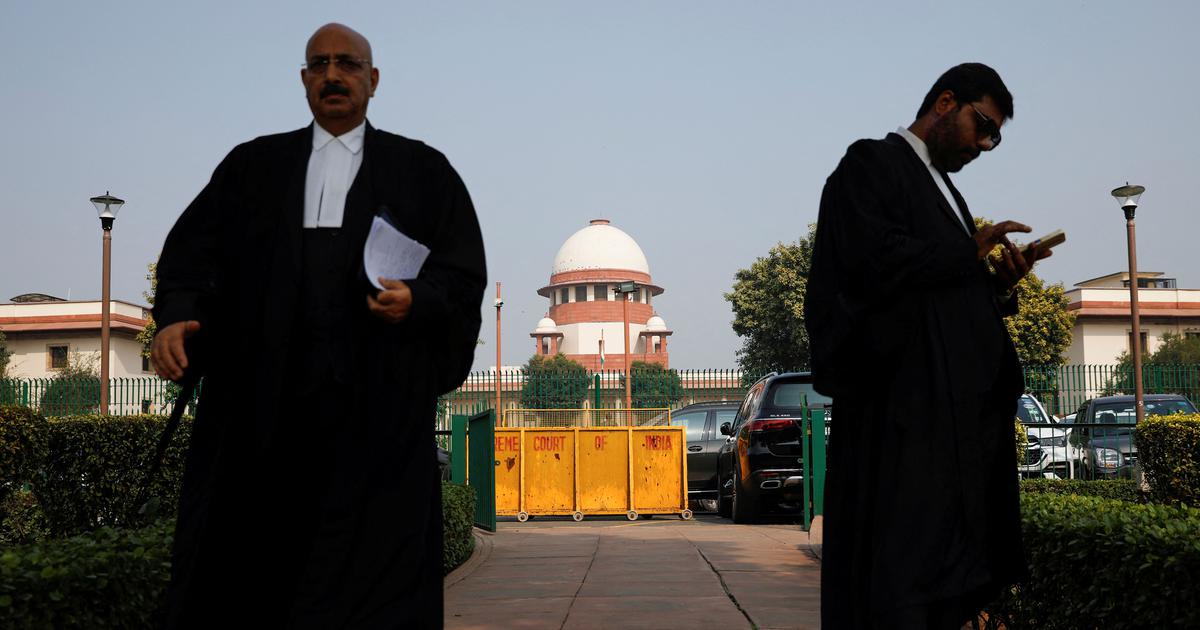
In a landmark ruling on May 27, the Supreme Court of India sanctioned a special intensive revision of electoral rolls in Bihar, signaling a significant shift in how voter lists are maintained in the country. Traditionally, the responsibility of defining and updating voter rolls rested with the populace, but this judgement empowers the Election Commission of India (ECI) to determine eligibility, thus altering the dynamics of electoral participation.
The Supreme Court upheld the constitutional validity of the ECI’s processes, asserting that the special revision did not contravene any existing election laws. Historically, the onus of proving citizenship has been the responsibility of the state, not the individual voter. This recent decision, however, appears to invert that longstanding principle, raising questions about the implications for citizens who have previously exercised their voting rights.
This special intensive revision, conducted between July and September 2025, aimed to cleanse the voter list of deceased individuals, those who have migrated, and purported foreign illegal immigrants. This initiative has now broadened, with plans to replicate the process in other states, stirring a mix of support and criticism across the political landscape.
The initiative has sparked controversy, particularly among civil society organizations. In July 2025, the Association for Democratic Reforms took legal action against the ECI, arguing that the agency’s actions could disenfranchise eligible voters and undermine democratic processes. Critics emphasize that the criteria for determining voter eligibility may lead to unjust exclusions, especially among marginalized communities.
This ruling arrives in a climate where electoral integrity is under scrutiny, and many voters are concerned about their representation. As the ECI moves forward with these revisions, the potential consequences for voter disenfranchisement loom large, particularly in a nation where every vote counts. With the expansion of this exercise beyond Bihar, the implications for democracy in India are profound, necessitating a careful balancing of national security concerns and the fundamental right to vote.