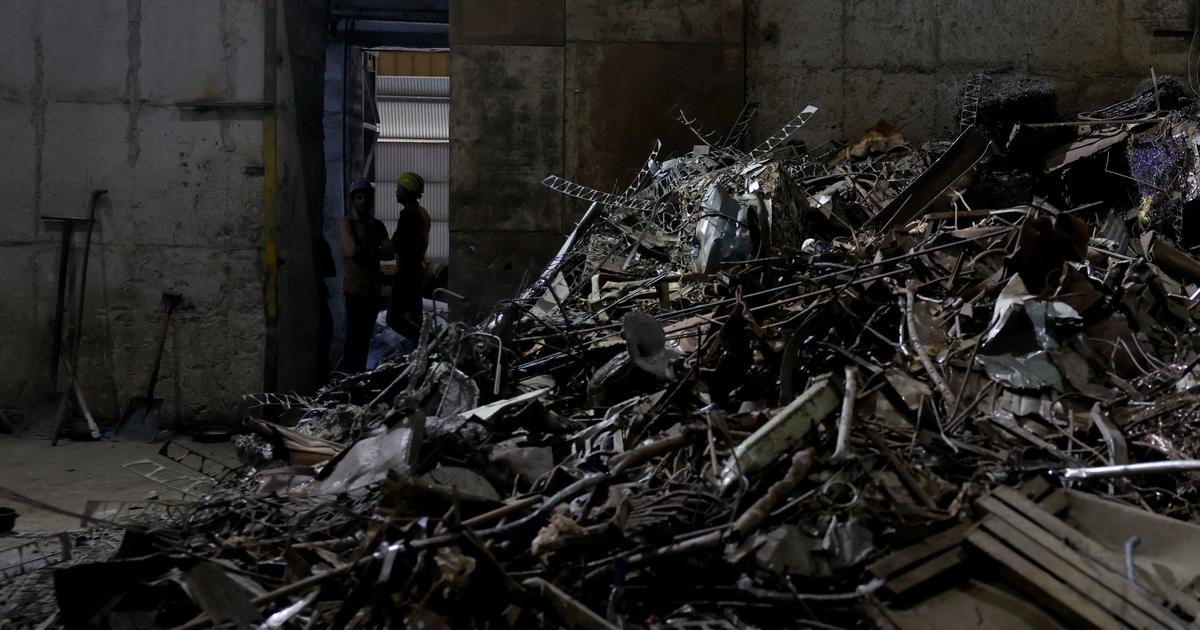
In a bid to combat climate change and enhance sustainability, India is ramping up its efforts to increase the use of steel scrap in its production processes. As the second-largest steel producer in the world, India has set an ambitious goal to elevate the proportion of scrap used in its total steel output from the current 23% to a remarkable 50% by 2047. However, this aspiration faces a significant roadblock: the scarcity of available scrap steel.
Steel scrap is increasingly recognized as a vital resource for reducing emissions in steel manufacturing. When utilized in electric furnaces, scrap can significantly lower greenhouse gas emissions compared to traditional methods. Moreover, even in conventional coal-powered blast furnaces—which account for around 60% of India’s crude steel production—incorporating scrap can diminish reliance on carbon-intensive iron ore. This shift could play a crucial role in lowering the steel sector’s share of India’s total carbon emissions, estimated at about 10%.
Industry leaders have underscored the environmental advantages of enhancing scrap usage in production, particularly as India prepares to double its crude steel output over the next decade, aiming to reach 400 million tonnes annually. However, despite these promising prospects, the nation grapples with substantial supply constraints. The logistics of scrap collection and recycling are still developing, leaving a gap in the availability of scrap metal needed to meet future demands.
The Indian government’s ambitious targets are not just about increasing quantity but also transforming the industry’s approach to sustainability. As the country’s steel capacity continues to grow, the reliance on traditional methods poses a challenge not only to environmental goals but also to energy consumption and pollution levels. Without a robust supply chain for scrap steel, achieving these targets may prove to be more difficult than anticipated.
Moreover, the issue of urban and rural waste management complicates the situation. As cities grow and construction booms, the potential for scrap generation increases, but the infrastructure to collect, sort, and recycle this material remains underdeveloped. Initiatives to bolster recycling, improve waste management systems, and promote the use of scrap in various sectors are essential for India to realize its sustainability goals.
In conclusion, while India is poised to make significant strides in steel production and emissions reduction through increased scrap utilization, overcoming supply challenges will be crucial. The path ahead demands innovative solutions and collaborative efforts between the government, industry stakeholders, and the community to build a resilient ecosystem that supports sustainable steel production.