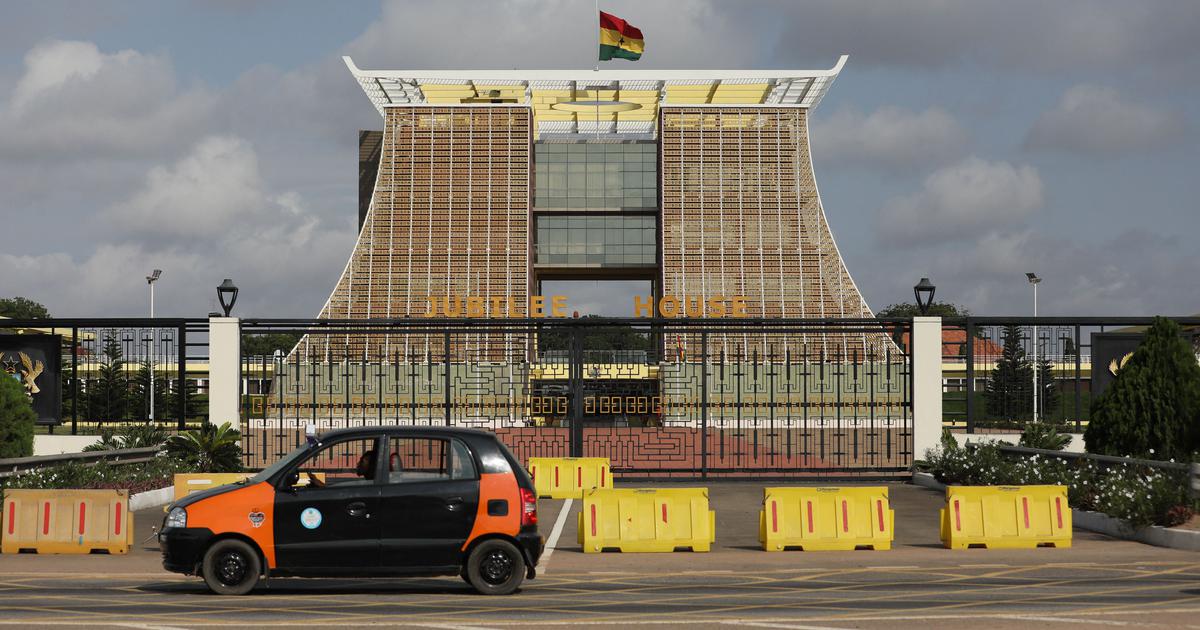
In the heart of Accra, the call to prayer resonates through the vibrant streets, drawing people to the magnificent National Mosque of Ghana. This architectural gem, with its grand domes and soaring minarets, stands as a testament to faith and community spirit. Yet, many may not be aware that this striking structure was funded and constructed by Turkey, highlighting a broader narrative about the intricate web of global relationships that shape the continent’s urban landscapes.
Across Africa, significant public edifices often reflect both local aspirations and international dynamics. These structures serve not only as venues for governance and assembly but also as powerful symbols of political influence and interdependence. At the core of this architectural evolution is the understanding that buildings convey messages of authority, hierarchy, and modernity, while also stitching together the identities of the nations involved.
As a scholar specializing in African architecture, I have engaged with experts in various fields, including political science, to delve into the relationship between architecture and power in Africa. This interdisciplinary research sheds light on how the design and construction of public buildings, such as Ghana’s National Mosque and its governmental seat, speak volumes about the intricate dance of power and agency between nations.
The National Mosque, for instance, is not merely a place of worship but an emblem of the diplomatic ties that countries forge beyond their borders. It embodies the soft power that nations like Turkey wield, allowing them to project their cultural values and beliefs onto foreign soil. Similarly, Ghana’s seat of government has been shaped by international partnerships, reflecting the complexities of global diplomacy in which architecture plays a crucial role.
In this context, the architectural landscape of Ghana serves as a microcosm of the broader dynamics at play in Africa. Countries are not just recipients of foreign investments; they actively negotiate their identity and autonomy through the structures they endorse and accept. The aesthetic choices in these buildings reveal the aspirations of nations to assert their place in the global order while grappling with the legacy of colonialism and the ongoing quest for modernity.
As India continues to engage with African nations, the lessons from Ghana’s architectural journey are particularly significant. They underscore the importance of understanding how buildings can encapsulate power relations and influence perceptions on a global scale. For Indian policymakers and architects, this presents an opportunity to reflect on the kind of legacy they wish to establish as they participate in the development of infrastructure across the continent.
Ultimately, the story of Ghana’s National Mosque and the seat of its government exemplifies how architecture transcends its physical form. It becomes a canvas for narrating the complex interplay of local needs and international relationships, inviting us to ponder the future of these ties as African nations navigate their paths toward growth and self-identity.