Jammu and Kashmir Police File Case Against PDP Leader Iltija Mufti for Sharing Video of Geelani
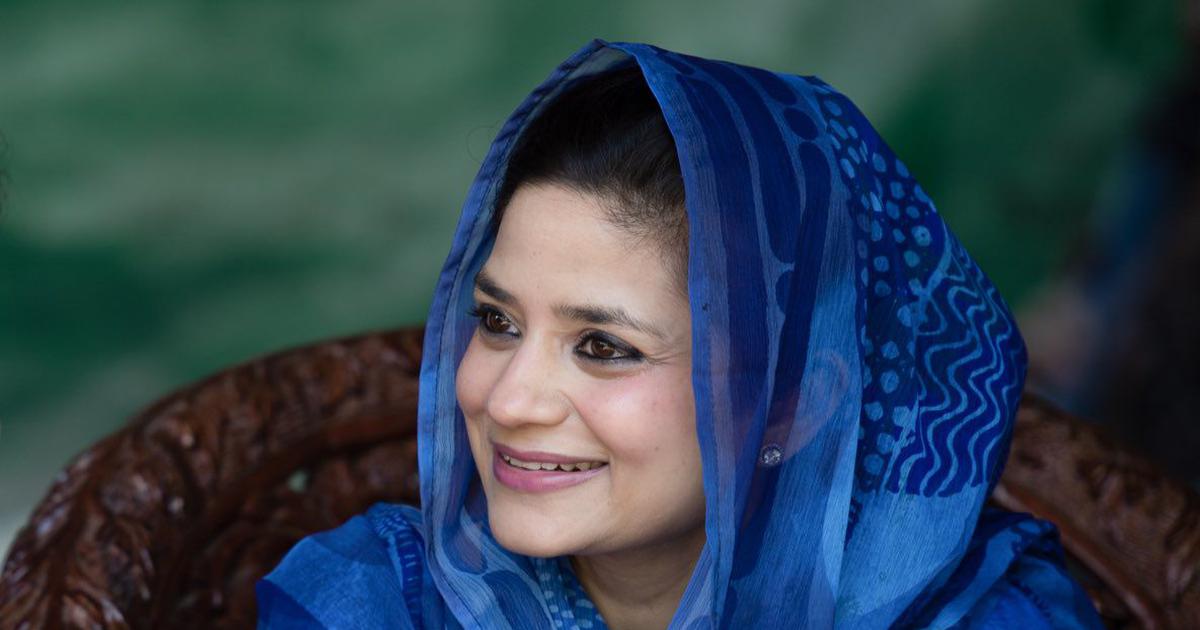
In a significant development, Iltija Mufti, a leader of the Peoples Democratic Party (PDP) and the daughter of former Jammu and Kashmir Chief Minister Mehbooba Mufti, has been booked by the Jammu and Kashmir Police for sharing content that is being labeled as secessionist. This action comes shortly after Mufti posted an old video featuring the late separatist leader Syed Ali Shah Geelani, wherein he discusses the crucial role of the Urdu language.
In her social media post, Mufti clarified that while she does not align with Geelani’s separatist ideology, she finds merit in his comments regarding Urdu. Geelani, who passed away in September 2021, spoke in the video about the preservation of significant Islamic literature in Urdu across the regions of India, Pakistan, and Jammu and Kashmir. He further expressed concerns that there are ongoing efforts to undermine this linguistic heritage, which he attributed to “people imposed on us.”
The police have initiated legal proceedings against Iltija Mufti under the Bharatiya Nyaya Sanhita, which addresses offenses that threaten the sovereignty of India, foster enmity, and provoke public unrest. A police source indicated that the investigation suggests that Mufti’s sharing of the video could be viewed as a deliberate effort to promote a separatist narrative through social media channels. The officer added that such actions have the potential to incite public discontent, disturb social order, and pose challenges to national unity.
This incident highlights the ongoing tensions surrounding the discourse on nationalism and separatism in Jammu and Kashmir, a region that has seen decades of conflict and differing political ideologies. Geelani was a prominent figure in the separatist movement, advocating for the rights of Kashmiris and calling for their self-determination, a stance that has historically polarized opinions within the region and beyond.
The timing of this case against Iltija Mufti raises questions about the freedom of expression, particularly in the context of political dissent in Jammu and Kashmir. As discussions around linguistic heritage and cultural identity continue to evolve, the implications of this case may have far-reaching consequences, not just for Mufti, but for how political narratives are shaped and contested in the state.