Karnataka’s Hijab Ban Reversal: A Step Towards Constitutional Justice or Too Little, Too Late?
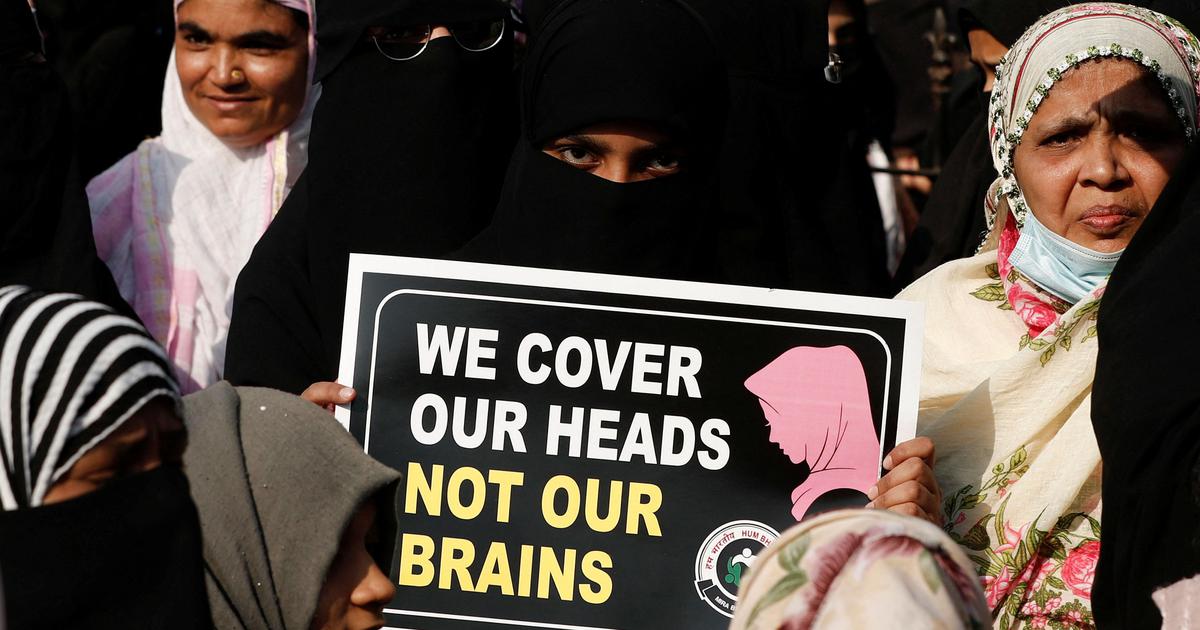
In a significant policy shift, the Karnataka government recently withdrew a controversial order from the previous Bharatiya Janata Party (BJP) administration that had effectively banned hijabs in pre-university colleges. This decision has been interpreted by many as a much-needed constitutional rectification. However, the move also highlights a sobering reality: the impact of such state decisions does not vanish merely because a notification is rescinded.
The implications of the hijab ban were severe for numerous Muslim women who found themselves grappling with academic setbacks and missed opportunities. For students like Aliya Assadi, AH Almast, Resham Farook, and Muskan Zainab, their educational journeys were abruptly interrupted because they chose to keep their hijabs. These individuals, who legally challenged the ban, conveyed that the issue extended far beyond a mere question of school uniforms. At its core, it was about the acceptance of diverse identities within public educational frameworks in India.
Four years ago, the state’s stance posed a troubling question: Was inclusion contingent on conformity? This underlying message resonated deeply among many, suggesting that minority representation could only be acknowledged if individuals aligned with the dominant cultural narrative. The recent withdrawal of the hijab ban, while a welcome change, comes after years of lost educational and professional prospects for those affected.
Despite this progressive step, resistance remains palpable. Members of the Sri Ram Sene, a right-wing organization, recently demonstrated outside the Deputy Commissioner’s office in Kalaburagi to protest against the government’s new circular, which permits students to wear religious symbols, including the hijab. This pushback illustrates the ongoing tensions between secularism and religious identity in India’s educational landscape.
The broader implications of the Karnataka fiasco echo across the nation, raising critical questions about the status of constitutional rights in a diverse society. As the discourse continues, it becomes imperative for policymakers to ensure that educational environments remain inclusive, allowing for the expression of various identities without fear of repression.