Key Events from the First Half of May: Supreme Court Rulings, Financial Crime Measures, and Investigative Developments
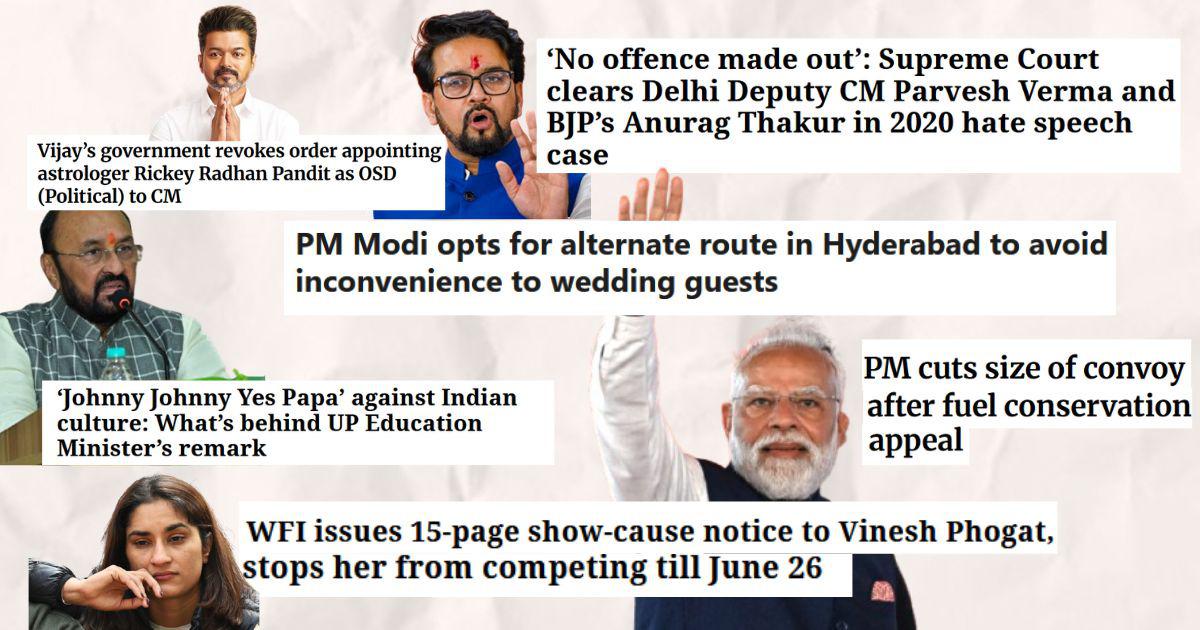
As the month of May unfolds, the initial fortnight has been marked by significant legal and political developments in India, showcasing the ongoing dynamics within the nation’s governance and societal issues. From notable Supreme Court rulings to government initiatives aimed at tackling financial crimes, here’s a roundup of the pivotal headlines from May 1 to May 14, 2023.
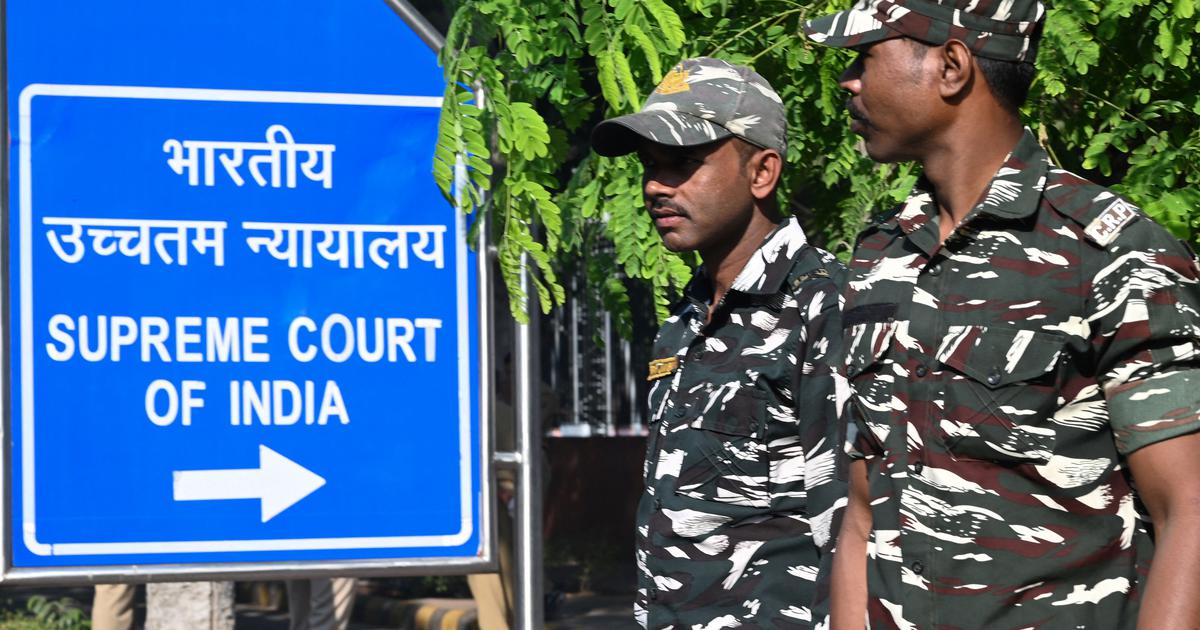
On May 1, the Supreme Court delivered a verdict that cleared Delhi’s Deputy Chief Minister Parvesh Verma along with former Union Minister Anurag Thakur in a controversial hate speech case linked to the protests against the Citizenship (Amendment) Act (CAA) that erupted in January 2020. The apex court ruled that “no cognizable offence is made out” against the two leaders, effectively closing the chapter on allegations that had stirred public sentiment and political discourse. This decision underscores the judiciary’s role in addressing politically charged accusations and the complexities surrounding free speech in the context of communal tensions.
The following day, on May 2, Union Minister of State for Finance, Pankaj Chaudhary, emphasized that the Enforcement Directorate (ED) has been granted enhanced powers under Prime Minister Narendra Modi’s administration to combat financial malpractices, which he referred to as the “cancer” of financial crimes and terror funding. Chaudhary made it clear that these powers are not meant for political targeting, but rather to safeguard the financial integrity of the nation. This statement comes at a time when the ED’s actions have often been scrutinized for their potential misuse in political contexts, raising questions about the balance between enforcement and justice.
In a separate investigative development, the National Investigation Agency (NIA) took steps to gather information from the Mumbai Press Club regarding a recent social gathering attended by individuals accused in the 2018 Bhima Koregaon case. This move, reported on May 3, highlights the agency’s ongoing efforts to probe allegations connected to the violent clashes in Bhima Koregaon, which remain a contentious issue in India’s socio-political landscape. The NIA’s request for documents from the Press Club signifies a determined approach to uncover any potential links between the accused and broader networks that may be involved in anti-national activities.
These events from the first half of May reflect the intricate interplay of law, politics, and public engagement in India. They illustrate the challenges faced by the legal system in dealing with politically sensitive cases while ensuring justice and accountability. Moreover, they highlight the government’s commitment to addressing financial crimes amidst ongoing debates about the implications of such measures for civil liberties and political dissent.
As May progresses, the developments within the judicial and law enforcement spheres will continue to capture the attention of the public and analysts alike, as they navigate the complex realities of Indian governance. The implications of these headlines will likely resonate throughout the month and beyond, shaping the narratives that define the political landscape in the country.