In a significant move aimed at enhancing administrative efficiency and catering to the aspirations of its residents, the Lieutenant Governor of Ladakh, VK Saxena, has officially approved the establishment of five new districts in the Union Territory. This pivotal decision, announced on Monday, expands the administrative landscape of Ladakh from the existing two districts—Leh and Kargil—to include Nubra, Sham, Changthang, Zanskar, and Drass.
Highlighting the motivation behind this vital change, Saxena stated on social media that the decision aims to address the long-standing demand of the people of Ladakh for improved governance and local representation. The approval follows a clearance from the Ministry of Home Affairs in August 2024, reflecting a commitment to realizing a vision of a “developed and prosperous Ladakh.” This administrative restructuring comes at a crucial time, as locals have been advocating for more autonomy and representation since the region was granted Union Territory status in 2019.
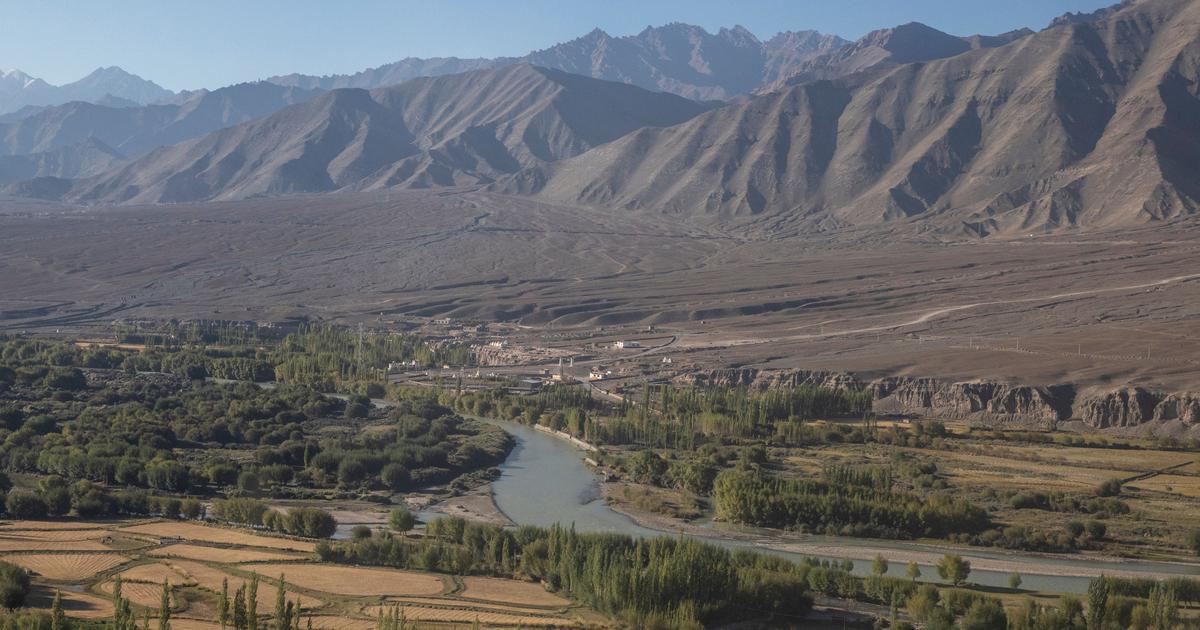
The backdrop of this announcement is rooted in a broader context of discontent among the people of Ladakh. Following the abrogation of Article 370 and the bifurcation of Jammu and Kashmir into two Union Territories in August 2019, residents of Ladakh have been vocal about their demands for statehood, fearing for their cultural identity, land rights, and livelihoods. With no legislative assembly in place, concerns have surged regarding the potential exploitation of natural resources and the preservation of the fragile ecosystem that characterizes the region.
By 2022, a coalition of Ladakhi residents had put forth a comprehensive list of demands: statehood for Ladakh, constitutional protections under the Sixth Schedule of the Indian Constitution, separate Lok Sabha seats for Leh and Kargil, and the establishment of a local Public Service Commission along with an independent recruitment process for government jobs. These demands underscore a collective desire for greater autonomy and representation.
The creation of five new districts could potentially address some of these concerns by allowing for more localized governance and decision-making. It’s seen not only as a response to public outcry but also as a necessary step towards ensuring that the unique cultural and ecological landscape of Ladakh is safeguarded. As the region transitions into this new administrative framework, many hope this will pave the way for further discussions about statehood and increased self-governance.
As Ladakh embarks on this new chapter with five new districts, the focus will inevitably shift to how these changes will translate into tangible benefits for the local population. The promise of development and prosperity echo in the valleys of Ladakh, leaving many optimistic about a future where their voices are heard and their needs are prioritized.