The Important Connection Between Magnesium, Vitamin D3, Calcium, and Vitamin K2 for Overall Healt
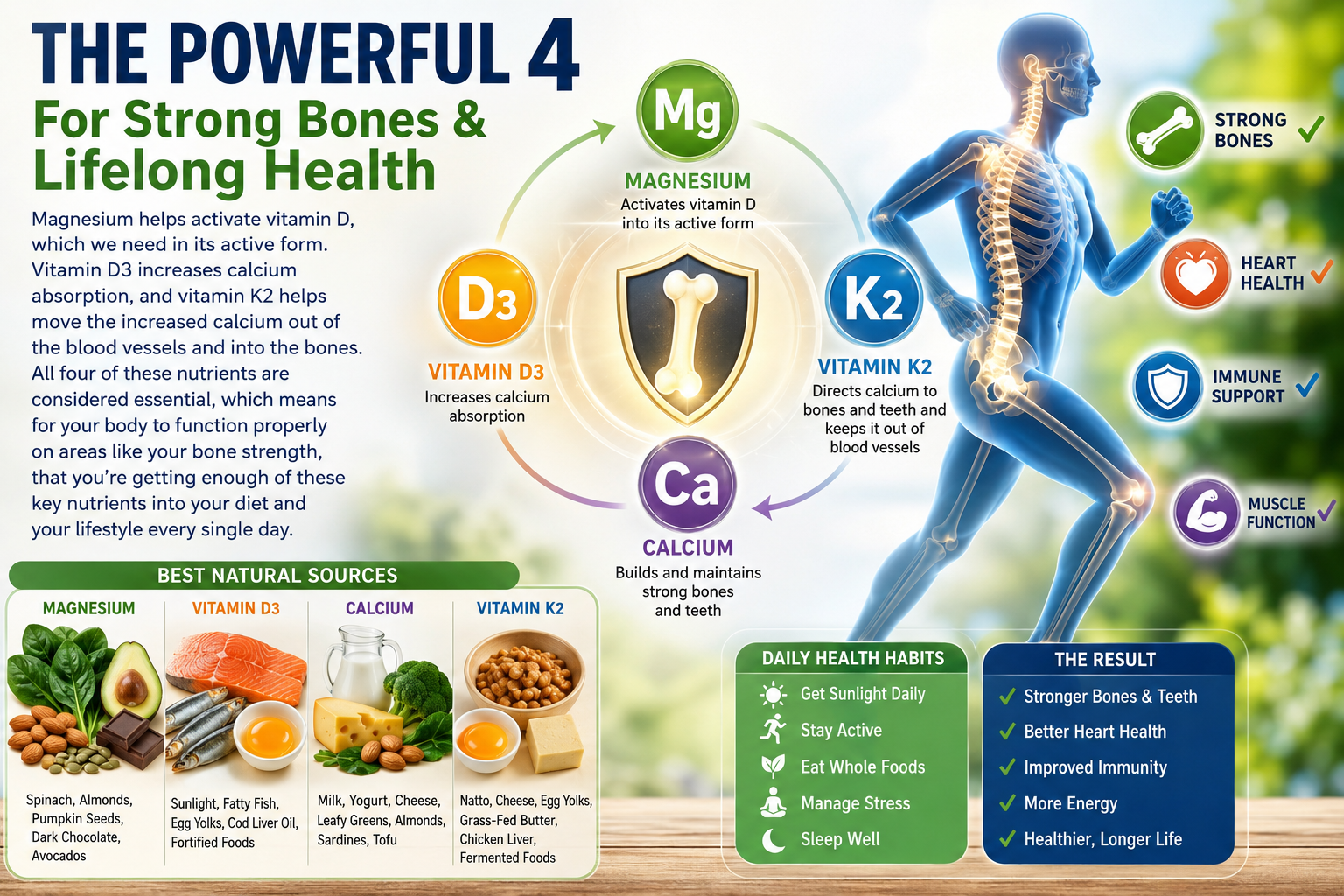
In today’s fast-paced lifestyle, many people focus mainly on calories, protein intake, and exercise while often overlooking the importance of essential micronutrients that support the body every day. Among the most important nutrients linked to bone strength, muscle function, immunity, and overall wellness are magnesium, vitamin D3, calcium, and vitamin K2.
Health experts say these nutrients work together in supporting several important body functions. Modern lifestyles, processed food consumption, stress, reduced outdoor activity, and poor dietary habits have contributed to increasing nutritional deficiencies worldwide.
Magnesium is considered an important mineral involved in hundreds of biochemical reactions inside the body. It helps support muscle and nerve function, energy production, relaxation, and bone health. Experts also note that magnesium plays a role in helping the body activate vitamin D.
Vitamin D3, often called the “sunshine vitamin,” supports calcium absorption and contributes to bone and immune health. Limited sunlight exposure, indoor lifestyles, and changing food habits have increased concerns about vitamin D deficiency in many populations.
Calcium remains one of the most important minerals for maintaining strong bones and teeth. It also contributes to muscle movement, nerve signaling, and heart function. However, experts emphasize that calcium works most effectively when balanced with vitamin D3 and vitamin K2.
Vitamin K2 is increasingly gaining attention for its role in calcium metabolism. According to nutrition experts, vitamin K2 helps guide calcium toward bones and teeth while supporting normal calcium balance within the body.
Health professionals explain that these nutrients function together in a connected process:
- Magnesium helps support vitamin D activation
- Vitamin D3 helps improve calcium absorption
- Vitamin K2 supports proper calcium utilization
- Calcium contributes to bone and muscle health
A balanced intake of these nutrients through food, sunlight exposure, physical activity, and healthy lifestyle habits may help support long-term wellness.
Natural food sources of magnesium include spinach, nuts, seeds, legumes, and whole grains. Vitamin D3 can be supported through moderate sunlight exposure, fatty fish, and fortified foods. Calcium-rich foods include dairy products, leafy greens, sesame seeds, and almonds, while vitamin K2 is commonly found in fermented foods, cheese, egg yolks, and certain animal-based products.
Experts caution that excessive self-supplementation without medical guidance may create nutritional imbalance. Individuals with health conditions or deficiencies are advised to consult qualified healthcare professionals before starting supplements.
Lifestyle factors such as stress, poor sleep, smoking, alcohol consumption, sedentary habits, and excessive processed food intake may also affect nutrient absorption and overall health.
Medical experts continue to emphasize that long-term wellness depends on balanced nutrition, regular exercise, adequate sleep, sunlight exposure, and healthy daily habits rather than relying on a single supplement alone.
Disclaimer: This article is for informational purposes only and should not be considered medical advice. Individuals should consult healthcare professionals regarding nutritional deficiencies or supplementation.