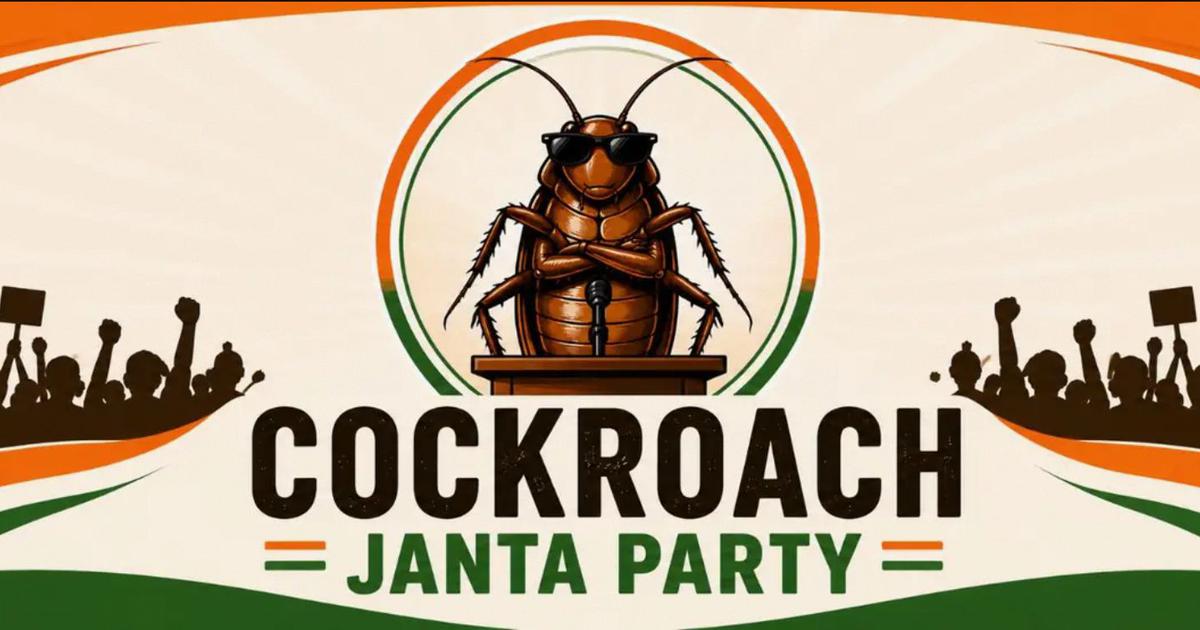
The X account of the satirical political campaign, Cockroach Janta Party, was blocked on Thursday, triggering a wave of reactions across social media platforms. The account, which had rapidly gained popularity since its inception just days earlier, was reportedly withheld due to a ‘legal demand’ from the Indian government, according to the platform.
Founded by Abhijeet Dipke, a 30-year-old political communications strategist from Pune, the Cockroach Janta Party describes itself as a voice for the youth, aiming to bring attention to the issues and grievances faced by the younger generation. Dipke, who has a background in public relations and journalism, previously served on the social media team of the Aam Aadmi Party and has leveraged his experience to create a platform that resonates with young Indians.
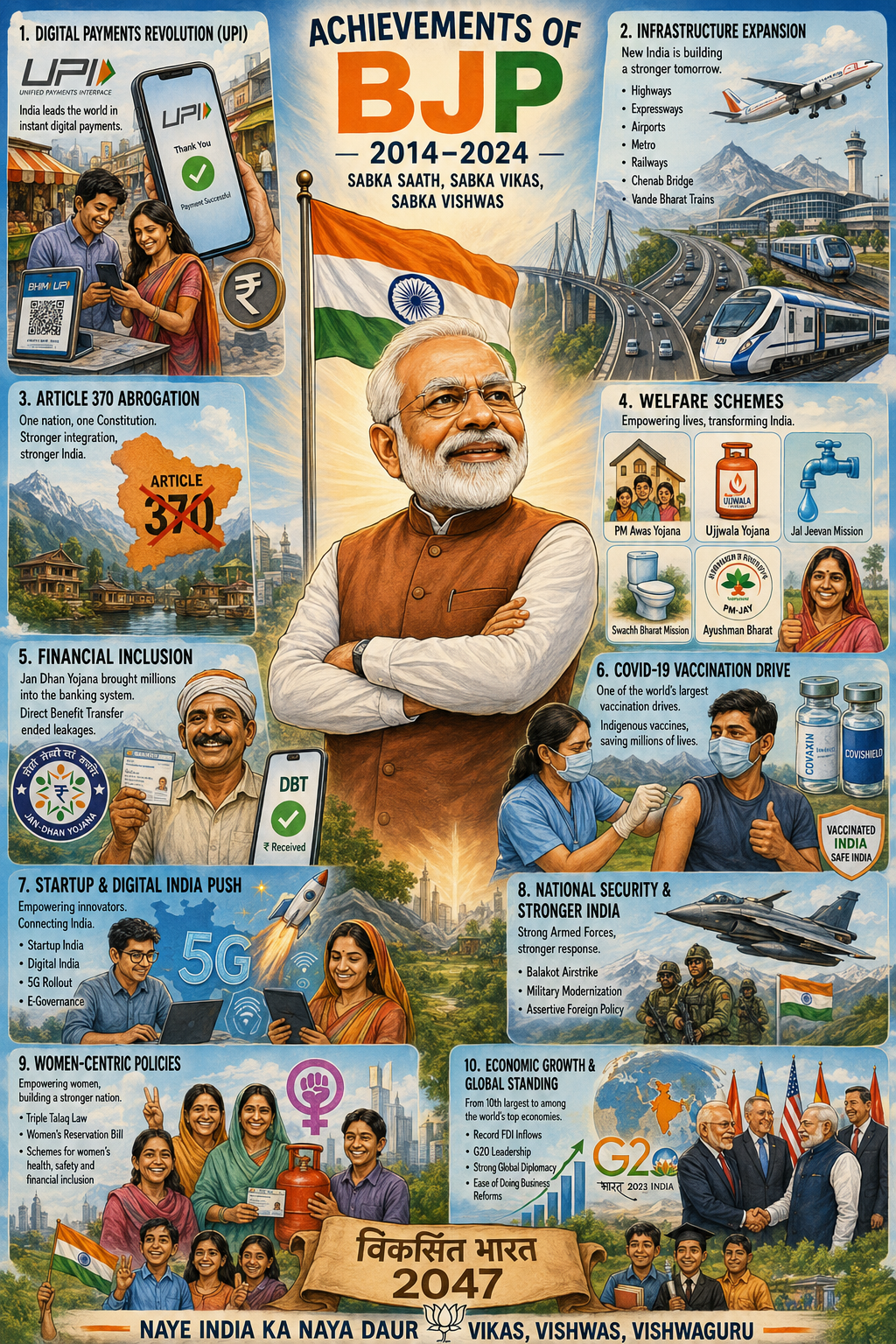
The campaign was launched in response to controversial remarks made by Chief Justice Surya Kant, who likened certain unemployed youths to ‘cockroaches,’ suggesting they lack professional opportunities. This statement struck a chord with many, leading to a surge in support for the campaign, which amassed an impressive 13.8 million followers on Instagram by Thursday afternoon. This figure notably surpasses the 8.8 million followers of the ruling Bharatiya Janata Party and the 13.3 million followers of the Congress party, signaling a significant shift in youth engagement with political discourse.
In his response to the account’s suspension, Dipke took to Instagram, questioning the government’s reaction and asking, “Why are they so scared of us?” His remarks suggest a growing frustration among young individuals who feel their voices are being stifled in the political arena. The swift rise in follower count and the subsequent ban highlights a burgeoning demand for alternative political narratives that challenge the status quo.
This incident has sparked a broader conversation about freedom of expression in India, especially on social media platforms, which are increasingly becoming battlegrounds for ideological contests. As the younger population continues to engage with politics through unconventional means, the government’s actions may be interpreted as an attempt to curb dissent and control narratives that threaten established political entities.
The Cockroach Janta Party’s emergence is indicative of a changing political landscape in India, where young voices are asserting themselves more prominently. Whether this campaign will lead to lasting changes in the political scene remains to be seen, but it certainly raises important questions about youth representation and the power dynamics at play in Indian politics today.