Maharashtra Police Take Action Against Comedian Pranit More Over Controversial Online Content
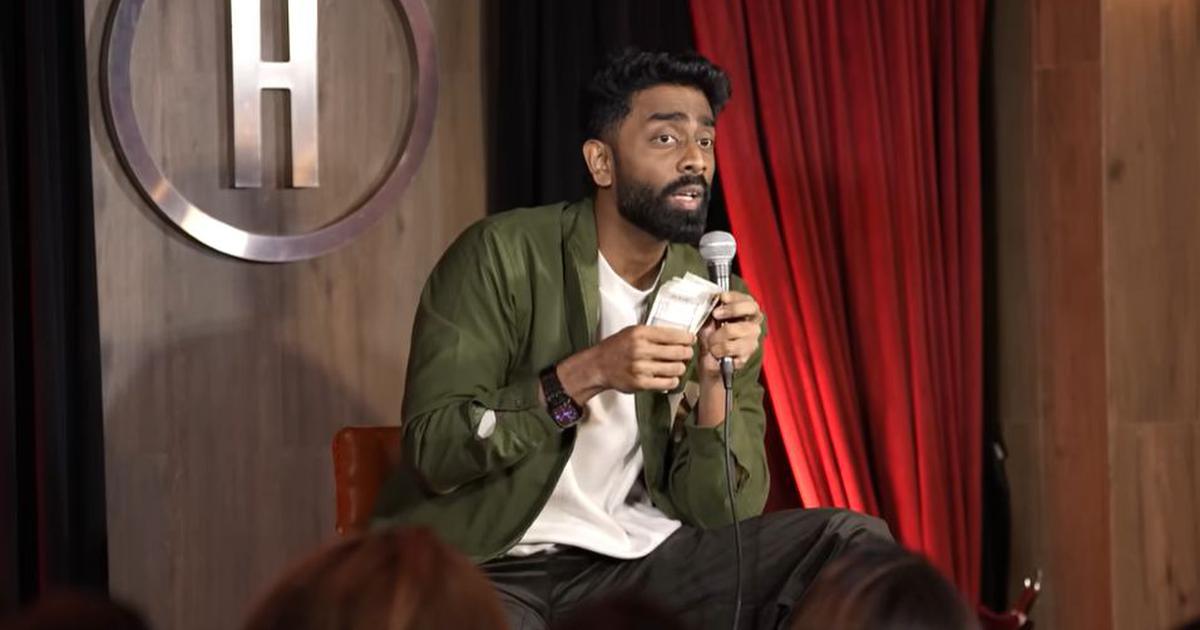
Maharashtra has once again found itself at the center of a debate on free speech and responsibility, as comedian Pranit More and several others are facing legal scrutiny for allegedly sharing offensive content online. Reports indicate that the police registered a case against More, alongside fellow comedians Himanshu Jangra and Dr. Sejal Pawar, invoking multiple sections of the Bharatiya Nyaya Sanhita and the Information Technology Act.
The controversy erupted after a video featuring Jangra went viral, in which he made inappropriate comments suggesting a transactional nature to relationships. Jangra claimed that spending Rs 370 for a biryani entitled him to physical intimacy, further stating that he pressured a woman to join him at a secluded park despite her clear discomfort. Such statements have drawn sharp criticism, raising questions about societal norms and the respect for women.
In addition to Jangra, Dr. Pawar, an MBBS student from Mumbai, is also facing backlash for making derogatory remarks regarding male anatomy during a comedy show episode hosted by More. Both individuals were present as audience members, but their remarks have sparked outrage, leading to calls for accountability. Following the uproar, the Maharashtra Association of Resident Doctors publicly condemned Pawar’s comments, emphasizing the need for medical professionals to uphold dignity and respect.
The police’s swift action via the cybercrime department underscores the seriousness of the allegations. More than just a legal issue, this incident highlights the broader societal concerns about the content shared in the digital age, particularly when it intersects with the sensitive topics of gender and ethics. While humor often treads the line between provocative and offensive, the backlash in this case illustrates that many are unwilling to overlook remarks that seem to undermine the respect and dignity owed to individuals, especially women.
The unfolding situation serves as a reminder of the responsibility that comes with public platforms. As comedians and entertainers gain visibility, their words resonate with a diverse audience, necessitating a careful consideration of the messages they convey. The dialogue surrounding this matter could potentially lead to more stringent scrutiny of content shared online, prompting discussions about the essence of comedy and its boundaries in contemporary society.