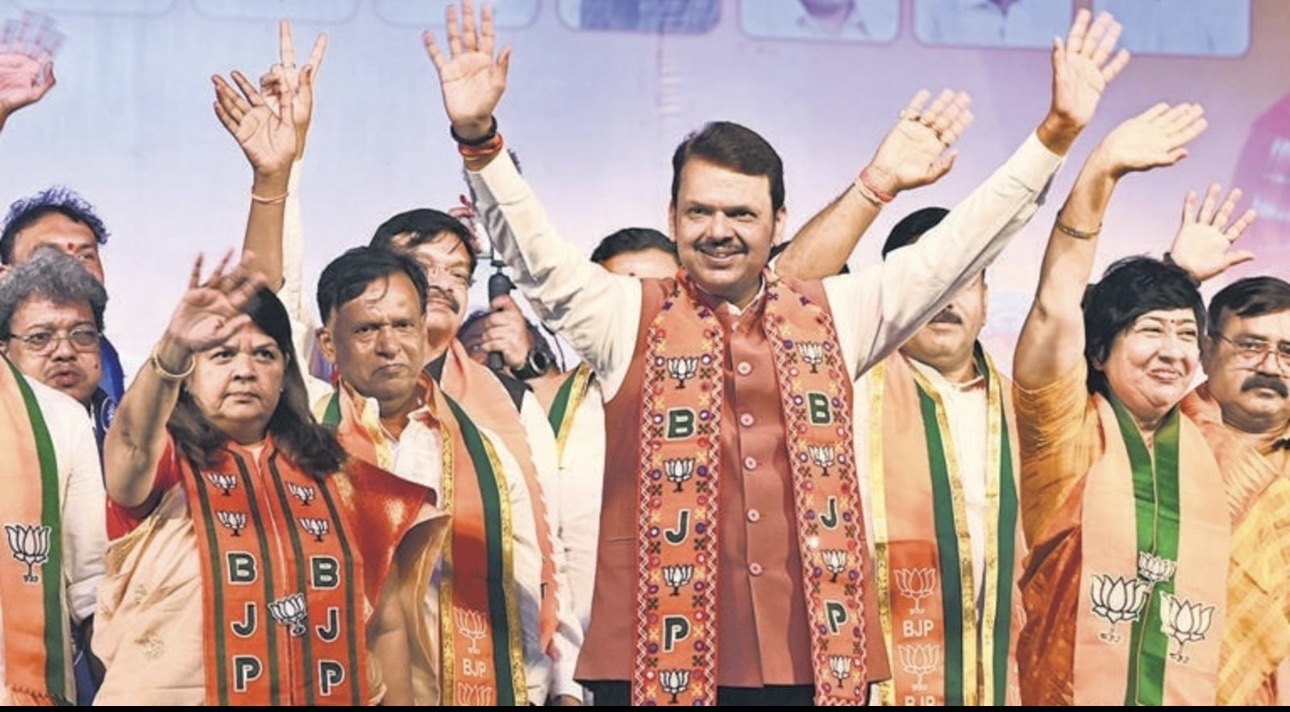
Maharashtra’s political landscape appears steady at first glance, but underlying shifts suggest a more complex reality. The government led by Devendra Fadnavis appears firmly in control following the political upheavals of recent years. However, this stability may be more layered than it seems.
On the other side, leaders such as Uddhav Thackeray and Sharad Pawar are navigating a challenging political environment. Internal divisions and changing alliances have made it difficult for the opposition to present a unified strategy. While intent is visible, coordination appears inconsistent.
A notable feature of the current political phase is increasing flexibility in alliances. Political partnerships that once seemed unlikely are now being shaped by electoral considerations. Ideological boundaries, in some cases, appear less rigid, particularly in local and municipal politics where equations shift rapidly.
At the same time, governance issues such as infrastructure, water supply, and urban development remain central to public expectations. Citizens are increasingly focused not just on leadership, but on performance and delivery.
Maharashtra appears to be in a transitional phase—neither unstable nor fully settled. The direction of its politics will likely depend on how effectively leadership can balance strategy with governance outcomes.