Masinagudi’s Verdant Jungles: A Biodiversity Jewel in the Nilgiris Facing Challenges and Conservation Effort
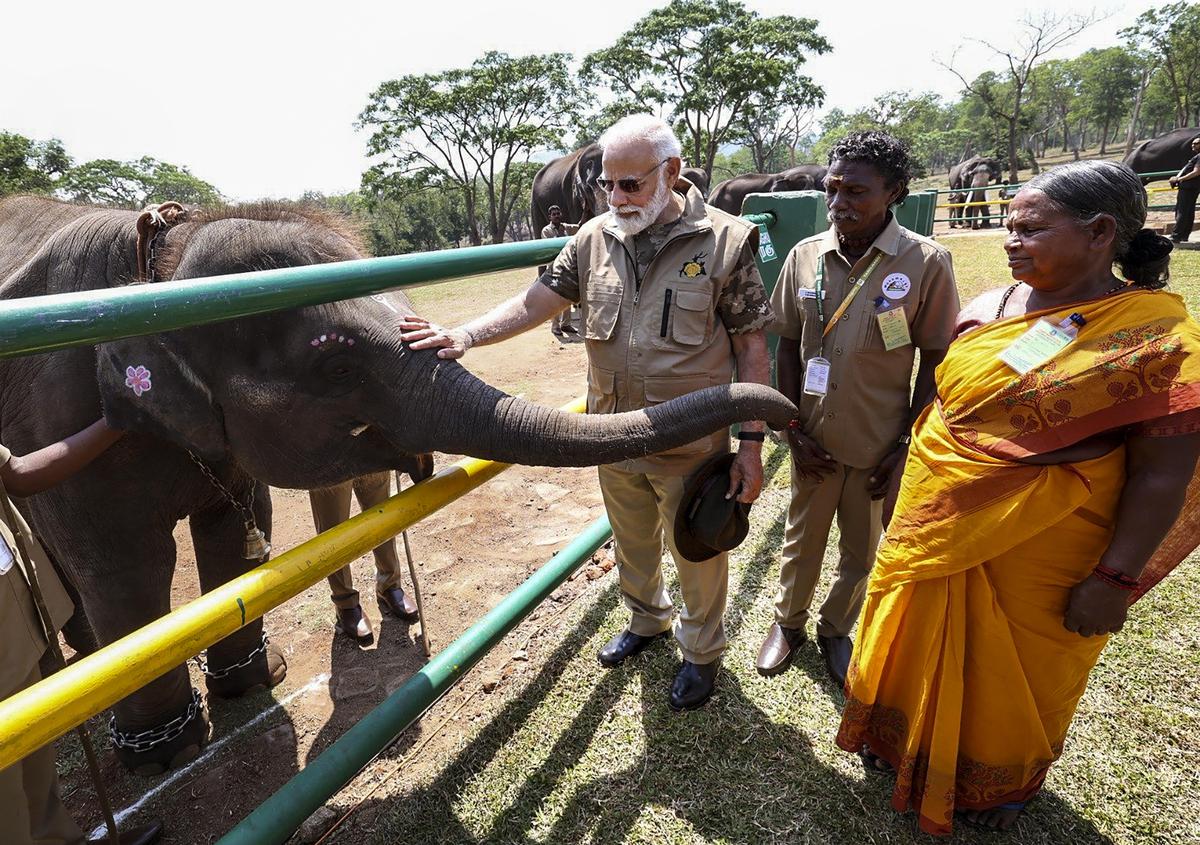
Masinagudi, Tamil Nadu | 5 June 2026
Nestled in the foothills of the Nilgiri Hills, the forests surrounding Masinagudi form an important part of Mudumalai Tiger Reserve, one of southern India’s most significant wildlife landscapes. Located within the Nilgiri Biosphere Reserve, the region serves as a critical ecological corridor connecting forest habitats across Tamil Nadu, Karnataka and Kerala.
Known for its rich biodiversity, scenic landscapes and wildlife tourism, the area attracts nature enthusiasts, photographers and conservationists from across the country and beyond. At the same time, conservationists continue to highlight challenges including habitat fragmentation, human-wildlife conflict and increasing development pressures.
Rich Forest Ecosystems
The forests of Masinagudi and Mudumalai comprise tropical moist forests, dry deciduous forests, riparian vegetation and scrub habitats. These ecosystems support a wide range of plant species, including teak, rosewood, bamboo, Indian laurel, jamun, wild ginger and several medicinal plants.
These forests play an important role in maintaining ecological balance, protecting watersheds and supporting wildlife movement across the Nilgiri landscape.
Diverse Wildlife
According to wildlife authorities and reserve records, Mudumalai supports a rich diversity of mammals, birds, reptiles, amphibians and fish.
Among the notable mammals found in the reserve are Bengal tigers, Asian elephants, Indian leopards, gaurs, sloth bears, wild boars, sambar deer, spotted deer, barking deer, Nilgiri langurs and Indian giant squirrels.
Birdwatchers visiting the region frequently report sightings of hornbills, woodpeckers, owls, eagles, drongos, flycatchers, jungle fowl and several endemic Western Ghats species.
The reserve also supports numerous reptiles and amphibians, contributing to the overall ecological health of the region.
Conservation Significance
Mudumalai has evolved through several conservation milestones:
- Established as a wildlife sanctuary in 1940.
- Became part of the Nilgiri Biosphere Reserve in 1986.
- Declared a national park in 1990.
- Notified as a tiger reserve in 2007 under Project Tiger.
The reserve plays an important role in maintaining connectivity with neighbouring protected areas, including Bandipur and Sathyamangalam landscapes, enabling wildlife movement across southern India.
Human-Wildlife Conflict Remains a Challenge
Despite conservation successes, the region continues to face human-wildlife conflict.
Conservation studies and official records have documented incidents involving elephants, crop damage, property loss and occasional human casualties in areas surrounding the reserve. Wildlife experts note that balancing conservation goals with the needs of local communities remains one of the most important challenges facing protected areas across India.
Vehicular movement through forest roads and habitat pressures also continue to be concerns raised by conservation groups.
Community Participation in Conservation
Conservationists increasingly emphasize the importance of involving local communities in wildlife protection and sustainable tourism.
One example often cited by visitors is A.K. Parvez, a local wildlife enthusiast associated with a homestay facility known as The Cactus Tree in Masinagudi. Through responsible tourism practices, nature awareness activities and engagement with visitors, he contributes to promoting wildlife conservation awareness among tourists.
Visitors frequently highlight the value of local guides and community members who help bridge the gap between tourism and conservation by encouraging responsible behaviour in sensitive wildlife habitats.
The Need for Sustainable Protection
Wildlife experts stress that the long-term protection of Masinagudi and Mudumalai depends on:
- Strengthening wildlife corridors.
- Reducing human-wildlife conflict.
- Promoting responsible tourism.
- Supporting local communities.
- Strengthening anti-poaching measures.
- Preserving critical habitats.
As one of India’s most important wildlife landscapes, the forests of Masinagudi continue to symbolize both the richness of the country’s natural heritage and the ongoing responsibility to protect it for future generations.