On November 8, 2016, Prime Minister Narendra Modi addressed the nation in a dramatic revelation that would alter the economic landscape of India. In a surprise announcement, he declared that 86% of the currency in circulation would be rendered worthless in just four hours, aiming to tackle issues such as black money, terrorism, and to promote a cashless economy. While the intentions were bold, the fallout was severe, leading to widespread economic turmoil and public discontent.
The aftermath of demonetisation was marked by long queues at banks, a significant cash crunch, and a plunge in economic growth. However, instead of acknowledging these monumental mistakes, the Modi administration adopted a distinct narrative strategy. This approach, which has become a hallmark of Modi’s governance, involves reframing the crisis-induced hardships as voluntary sacrifices that citizens are encouraged to make for the greater good of the nation.
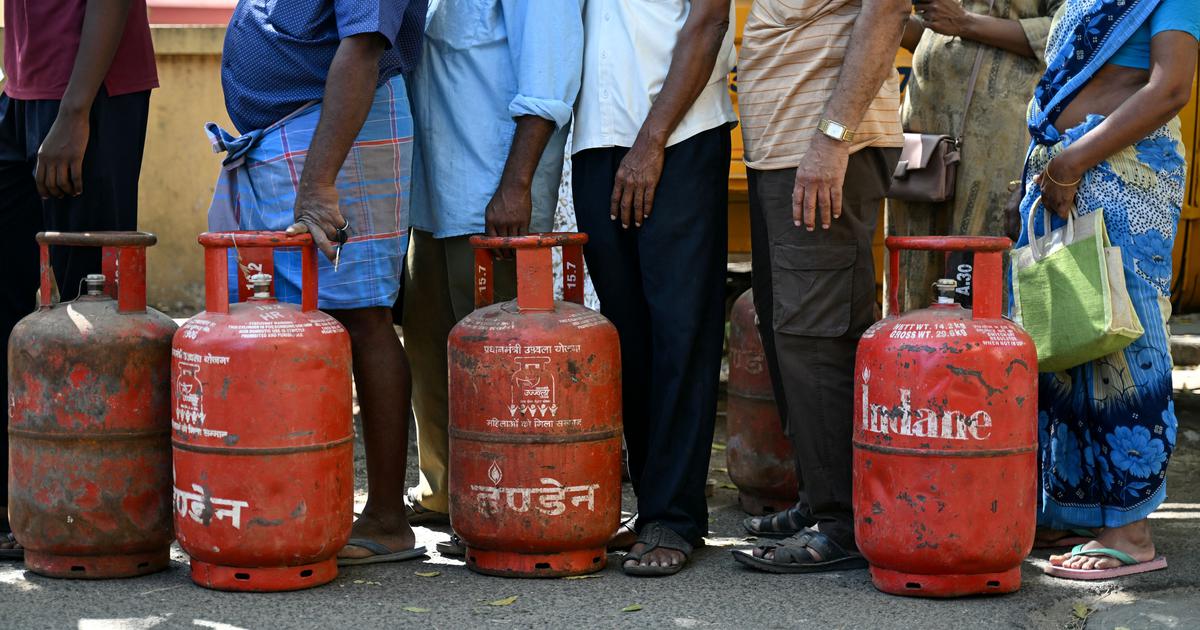
During his demonetisation announcement, Modi spoke of the challenges that honest citizens would face, but quickly shifted the focus to the resilience and patriotism of the Indian populace. He painted a picture of ordinary citizens—like a poor widow giving up her LPG subsidy or a school teacher sacrificing part of his pension—willing to endure hardship for the country’s benefit. Modi’s rhetoric suggested that if the nation could unite in the face of adversity, even for a short period, it would ultimately lead to a greater cause: the fight against corruption and economic malfeasance.
This narrative has re-emerged in the wake of various policy challenges faced by the government since then. Whether it was the Goods and Services Tax implementation or the impact of the COVID-19 pandemic, the recurring theme has been the call for collective sacrifice. Modi has often invoked the spirit of the Indian people, suggesting that their willingness to endure temporary difficulties is essential for achieving long-term national objectives.
Critics of this narrative argue that it glosses over the real consequences of government policies, which have often led to job losses, financial strain, and increased poverty levels. The challenge for the Modi administration lies in sustaining public morale while addressing these pressing economic realities. In the face of rising discontent, how effectively it can balance its aspirational narratives with tangible results remains to be seen.