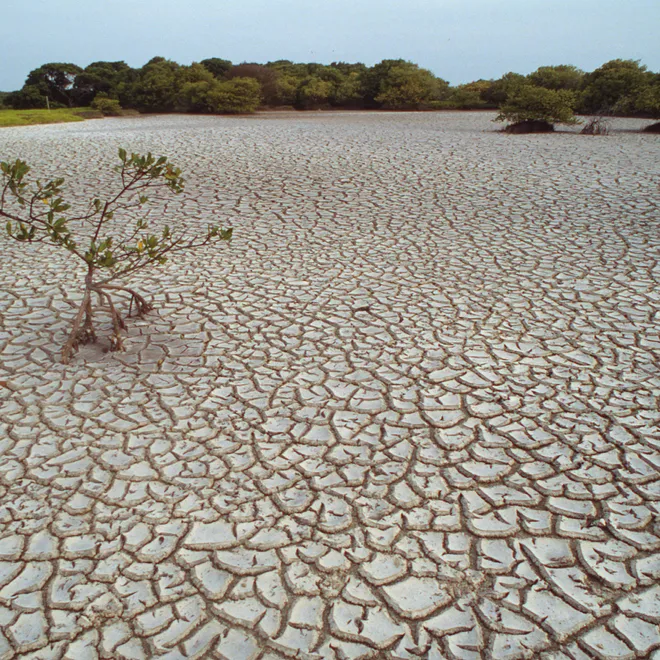
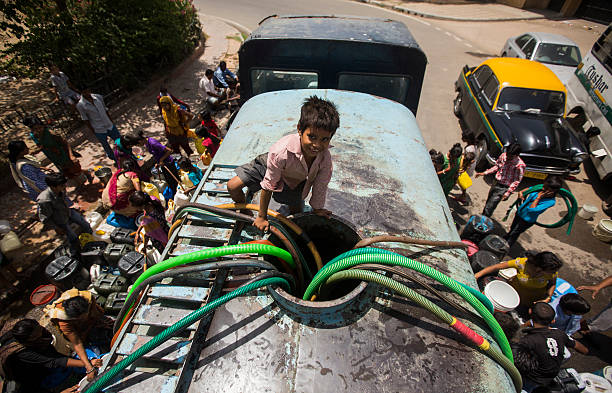
Mumbai and Kolkata at a Climate Crossroads as Rising Seas Threaten Millions
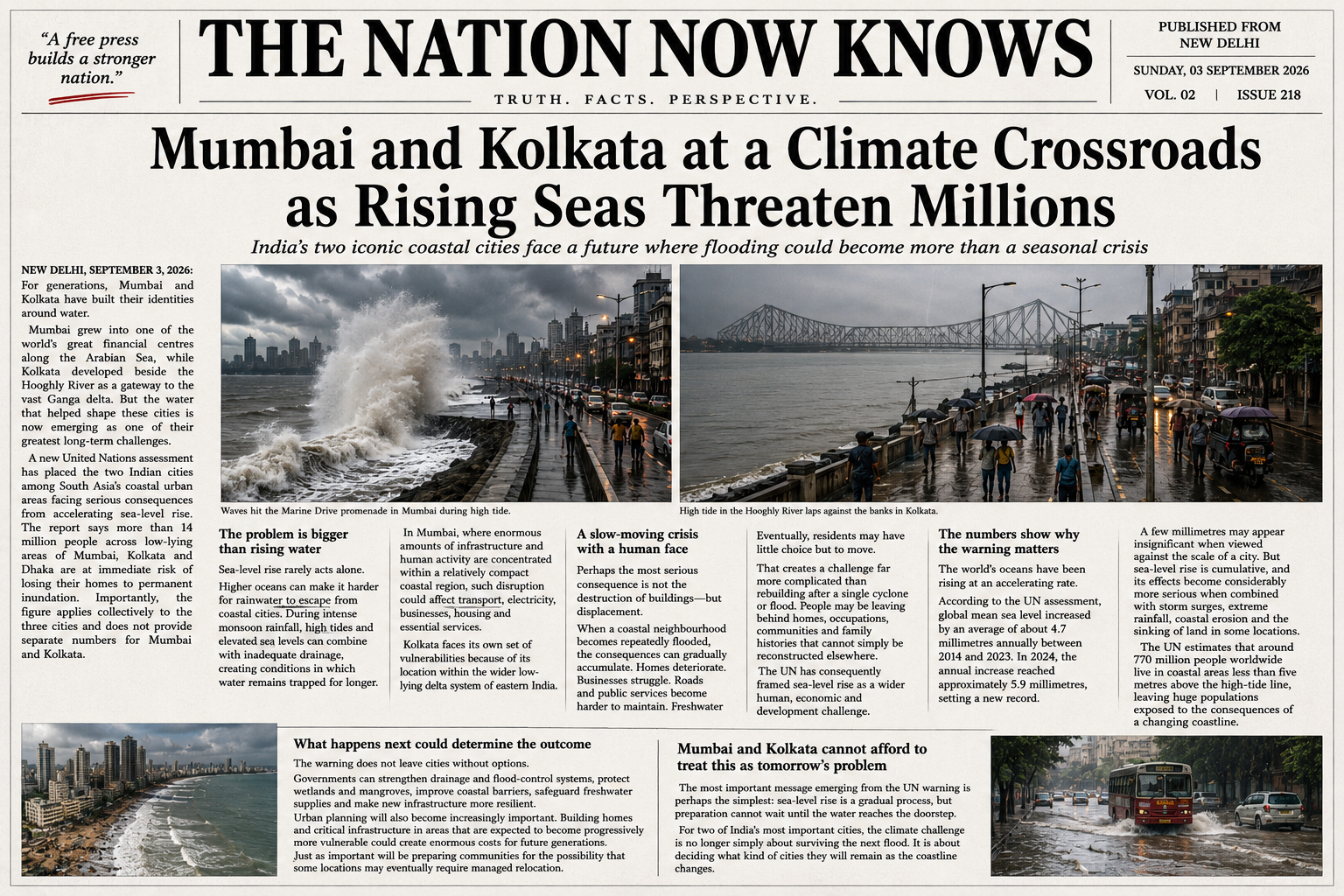
UN Warns Rising Sea Levels Could Increase Flooding and Displacement Risks in Mumbai, Kolkata
NEW DELHI, September 3, 2026:
For generations, Mumbai and Kolkata have built their identities around water.
Mumbai grew into one of the world's great financial centres along the Arabian Sea, while Kolkata developed beside the Hooghly River as a gateway to the vast Ganga delta. But the water that helped shape these cities is now emerging as one of their greatest long-term challenges.
A new United Nations assessment has placed Mumbai and Kolkata among South Asia's coastal urban areas facing serious consequences from accelerating sea-level rise. The report says more than 14 million people across low-lying South Asian areas, including Mumbai, Kolkata and Dhaka, are at immediate risk of losing their homes to permanent inundation. Importantly, the figure applies collectively to these low-lying areas and does not provide separate numbers for Mumbai and Kolkata.
The warning does not mean that either Indian city is about to disappear beneath the sea. Rather, it highlights a steadily developing danger: as oceans rise, areas already vulnerable to flooding could experience increasingly frequent and severe inundation, eventually making some locations difficult or impossible to inhabit.
The Problem Is Bigger Than Rising Water
Sea-level rise rarely acts alone.
Higher oceans can make it harder for rainwater to escape from coastal cities. During intense monsoon rainfall, high tides and elevated sea levels can combine with inadequate drainage, creating conditions in which water remains trapped for longer.
In Mumbai, where enormous amounts of infrastructure and human activity are concentrated within a relatively compact coastal region, such disruption could affect transport, electricity, businesses, housing and essential services.
Kolkata faces its own set of vulnerabilities because of its location within the wider low-lying delta system of eastern India. Flooding, erosion and the movement of saltwater into freshwater systems could place additional pressure on communities and resources.
The UN assessment says rising seas are already creating risks for urban infrastructure, water and sanitation systems, transport networks, energy grids, buildings and groundwater resources.
A Slow-Moving Crisis With a Human Face
Perhaps the most serious consequence is not the destruction of buildings—but displacement.
When a coastal neighbourhood becomes repeatedly flooded, the consequences can gradually accumulate. Homes deteriorate. Businesses struggle. Roads and public services become harder to maintain. Freshwater sources can become contaminated by saltwater.
Eventually, residents may have little choice but to move.
That creates a challenge far more complicated than rebuilding after a single cyclone or flood. People may be leaving behind homes, occupations, communities and family histories that cannot simply be reconstructed elsewhere.
The UN has consequently framed sea-level rise as a wider human, economic and development challenge, rather than an environmental issue alone.
The Numbers Show Why the Warning Matters
The world's oceans have been rising at an accelerating rate.
According to the UN assessment, global mean sea level increased at an average rate of about 4.7 millimetres annually between 2014 and 2023. In 2024, the annual increase reached approximately 5.9 millimetres, a record rate driven primarily by exceptional ocean warming.
A few millimetres may appear insignificant when viewed against the scale of a city. But sea-level rise is cumulative, and its effects become considerably more serious when combined with storm surges, extreme rainfall, coastal erosion and land subsidence in some locations.
The UN estimates that around 770 million people worldwide live in coastal areas less than five metres above the high-tide line, leaving huge populations exposed to the consequences of a changing coastline.
What Happens Next Could Determine the Outcome
The warning does not leave cities without options.
Governments can strengthen drainage and flood-control systems, protect wetlands and mangroves, improve coastal barriers, safeguard freshwater supplies and make new infrastructure more resilient.
Urban planning will also become increasingly important. Building homes and critical infrastructure in areas that are expected to become progressively more vulnerable could create enormous costs for future generations.
Just as important will be preparing communities for the possibility that some locations may eventually require managed relocation.
That makes climate adaptation a question not only of engineering, but also of housing, employment, public finance, social protection and human rights.
Mumbai and Kolkata Cannot Afford to Treat This as Tomorrow's Problem
The most important message emerging from the UN warning is perhaps the simplest: sea-level rise is a gradual process, but preparation cannot wait until the water reaches the doorstep.
Mumbai and Kolkata are not facing an immediate scenario in which their skylines vanish beneath the ocean. The real danger is subtler—and potentially more disruptive.
A little more water can mean a little more flooding. Repeated flooding can mean damaged infrastructure. Damaged infrastructure can disrupt livelihoods. And over decades, places that were once perfectly habitable can become increasingly difficult to sustain.
For two of India's most important cities, the climate challenge is no longer simply about surviving the next flood. It is about deciding what kind of cities they will remain as the coastline changes.
The sea may be rising slowly.
But the decisions required to prepare for it cannot move at the same pace.