The Energy Demands of Artificial Intelligence: Can the World Power Its Digital Future?
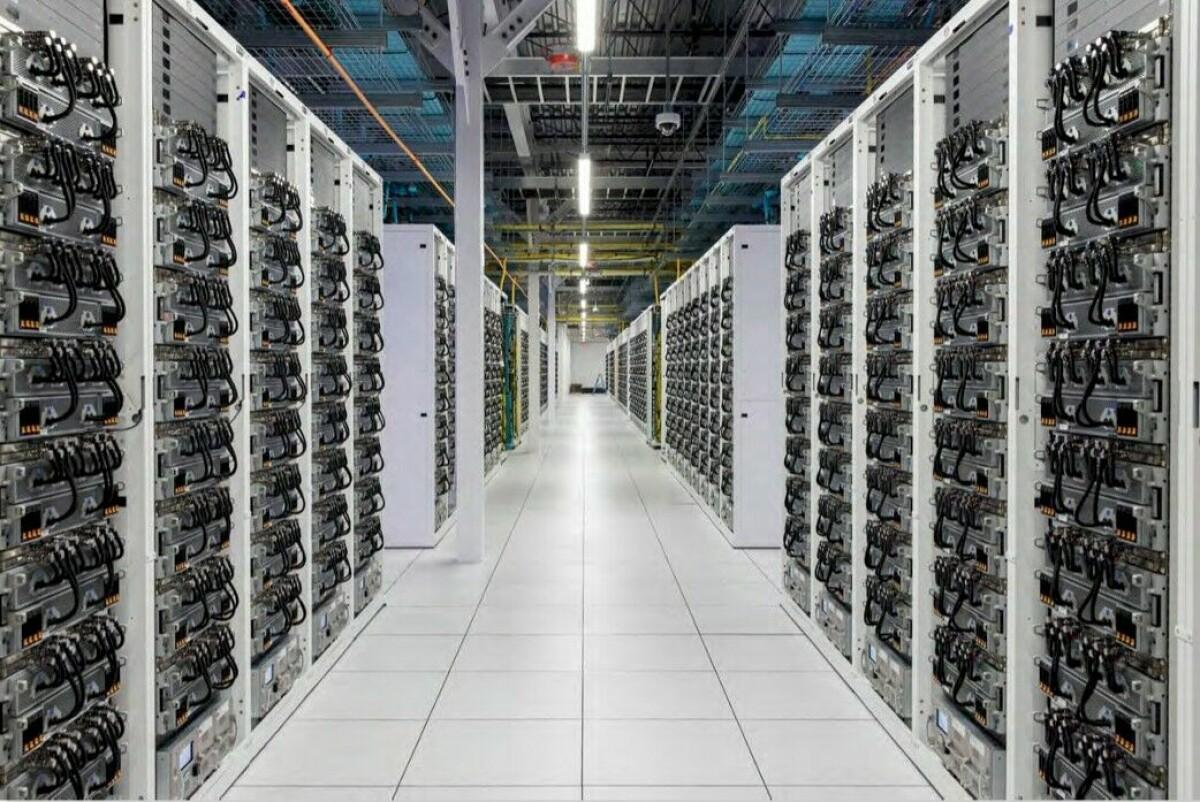
As AI-powered data centres expand worldwide, governments and technology companies face a growing challenge: meeting digital energy demands without compromising electricity affordability, environmental sustainability or energy security.
By Fernand Louis
Technology Researcher, Author & Founder – Fernand Louis Labs
September 22, 2026 | International Current Affairs
The Hidden Energy Cost of Artificial Intelligence
Artificial intelligence is transforming industries, healthcare, education and financial services. Yet behind every AI-generated response, automated decision and digital innovation lies a physical infrastructure consuming substantial amounts of electricity.
As technology companies expand their computing capacity, the world's electricity systems face a new challenge: supplying reliable power to rapidly growing data centres while meeting the needs of households, industries and essential public services.
The International Energy Agency (IEA) projects that global data-centre electricity consumption will approximately double from 485 terawatt-hours in 2025 to 950 terawatt-hours by 2030, representing around 3% of worldwide electricity demand.
IEA
+1
These projections include all data centres, not only those dedicated to AI. Nevertheless, AI is a major driver of the anticipated increase.
September 2026: The Energy Debate Intensifies
The relationship between artificial intelligence and energy security has become an important international current-affairs issue.
On September 21, 2026, Texas Governor Greg Abbott ordered a suspension of new state-issued data-centre permits pending an assessment of their impact on the electricity grid. The decision followed concerns about the rapid expansion of energy-intensive computing infrastructure.
Reuters
On the same day, California introduced additional oversight requirements addressing data-centre electricity costs, water consumption and local impacts.
Reuters
These developments demonstrate how the expansion of artificial intelligence is becoming an issue for energy regulators, local communities and electricity consumers.
Climate Change and the Digital Economy
The environmental consequences of AI infrastructure are also receiving international attention.
During New York Climate Week, on September 21, UN Climate Change Executive Secretary Simon Stiell warned that rising AI-related energy demand could increase fossil-fuel consumption and place additional pressure on electricity prices.
He called for greater energy efficiency, transparent reporting and stronger commitments to renewable electricity.
S&P Global
The challenge extends beyond electricity generation. Large data centres also require cooling infrastructure, which can increase water consumption and place pressure on local resources.
However, AI itself can support environmental objectives through improved electricity-grid management, energy forecasting and climate modelling.
The central challenge is ensuring that its environmental benefits are not undermined by the resources required to operate it.
Renewable Energy: Can Supply Keep Pace?
The IEA's July 2026 electricity outlook forecasts global electricity demand growth of 3.6% in 2026 and 3.8% in 2027.
Expanding data centres are one contributor, alongside industrial growth, electric vehicles, air conditioning and wider electrification.
IEA
Renewable energy, nuclear power, improved electricity storage and more efficient computing technologies could help accommodate rising demand.
However, generating additional electricity is only part of the solution. Transmission networks must also be capable of delivering reliable power to locations where data centres are concentrated.
Without adequate infrastructure investment, rapidly expanding AI facilities could intensify competition for available electricity.
Who Should Bear the Financial Burden?
The expansion of data centres raises an important economic question: Who should pay for the electricity infrastructure required to support them?
On September 16, the US House of Representatives advanced legislation addressing concerns about household electricity costs associated with data-centre expansion.
Reuters
The issue is particularly relevant when electricity networks require substantial upgrades to accommodate large commercial consumers.
Technology companies, electricity providers and governments must consider how infrastructure costs are distributed while protecting affordability for households and smaller businesses.
Transparent electricity pricing and responsible infrastructure planning will be essential.
The Future of Sustainable Artificial Intelligence
Artificial intelligence has the potential to deliver significant economic and technological benefits. Its continued expansion, however, requires corresponding investment in energy generation, transmission, cooling efficiency and environmental safeguards.
The future of AI cannot be separated from the future of electricity.
The defining question is not simply how powerful artificial intelligence can become, but whether the world can build the energy infrastructure needed to sustain it responsibly.
The next phase of digital progress must therefore combine technological innovation with affordable electricity, resilient infrastructure and environmental accountability.