The Rising Cost of Living: How India's Economic Changes Are Reshaping Household Budgets
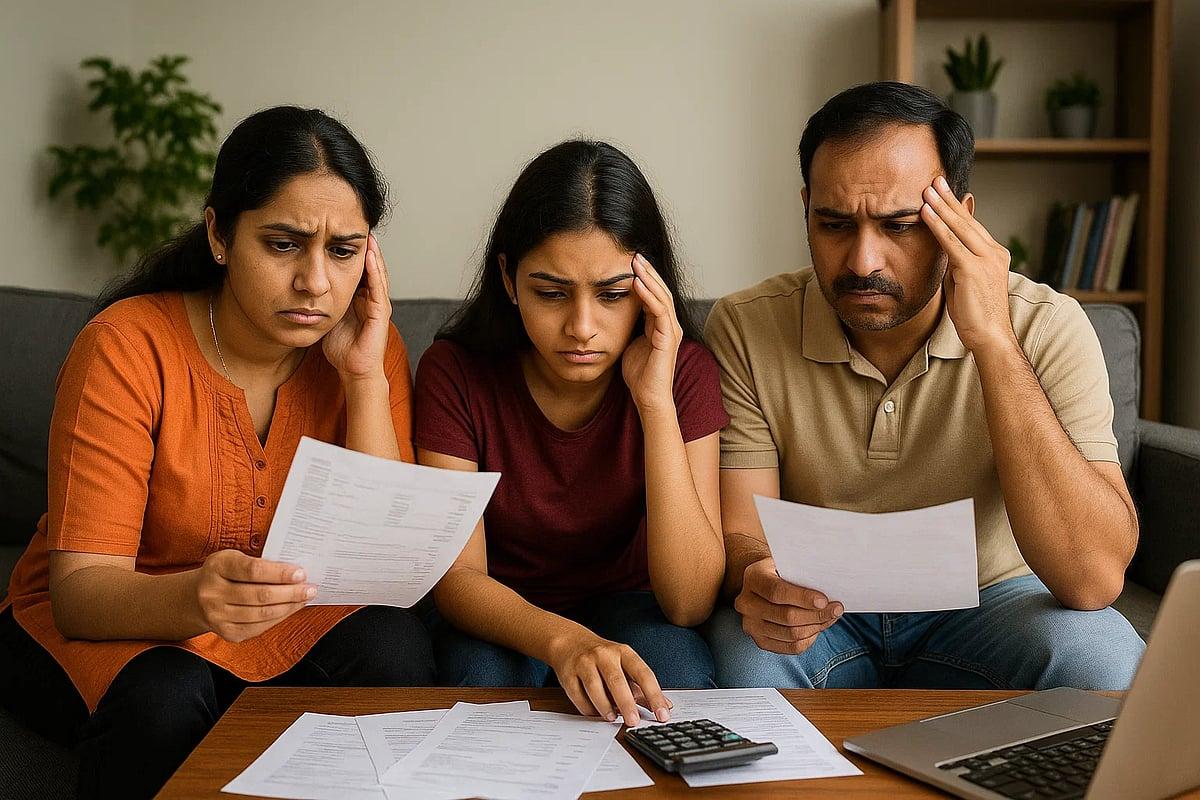
The Household Economy: A Different Reality
By Fernand Louis
Technology Researcher, Author & Founder – Fernand Louis Labs
September 2026 | International Current Affairs
The Household Economy: A Different Reality
India's economic performance is often measured through GDP growth, investment, industrial production and financial-market activity. For households, however, economic conditions are also reflected in the ability to purchase groceries, pay school fees, meet housing expenses and maintain savings.
As of September 2026, inflation, borrowing costs, employment conditions and global economic developments remain important factors in household financial planning.
The broader question is how economic growth translates into household income, purchasing power and financial security.
Food Prices and Household Budgets
According to the Consumer Price Index data released by the Ministry of Statistics and Programme Implementation on September 14, India's annual retail inflation rose to 4.82% in August 2026 from 4.45% in July. Food inflation was reported at 5.95%, while rural consumer inflation stood at 5.23%, compared with 4.31% in urban areas.
Higher prices for essential goods can affect household budgets, particularly for families that spend a relatively large share of their income on food and other necessities.
When essential expenses rise, households may have less disposable income available for education, healthcare, transportation, recreation or savings. The effect can vary significantly depending on income, location and consumption patterns.
Home Loans and Borrowing Costs
Housing remains a major financial commitment for many households. The Reserve Bank of India kept the policy repo rate at 5.25% at its August 2026 monetary policy review.
A stable policy rate does not automatically mean that every borrower will see a change in monthly instalments. Actual borrowing costs depend on the loan agreement, lender's interest rate, loan type and the timing of any rate revision.
Families managing home loans, education loans and other forms of credit therefore need to consider debt repayments alongside regular household expenses.
Employment and Household Income
Employment conditions are another important component of household financial security.
The August 2026 Periodic Labour Force Survey, released on September 15, reported that India's unemployment rate for people aged 15 years and above remained at 5.0%. The overall labour-force participation rate increased to 55.6%, while the worker population ratio rose to 52.8%.
These indicators provide information about participation and employment conditions, but they do not by themselves describe household financial well-being. Income levels, wage growth, job stability, working conditions and access to essential services also influence living standards.
For households whose earnings do not keep pace with expenses, maintaining savings and meeting long-term financial goals can become more difficult.
Global Developments and Indian Households
International developments can also influence India's economic environment. On September 22, the Indian rupee closed at around ₹95.59 against the US dollar. Reuters reported that movements in oil prices and concerns about global developments were among the factors affecting the currency.
Changes in international crude oil prices and currency values can influence import costs and, through several channels, affect transportation, production and consumer prices. The effect is not necessarily immediate or uniform across all households.
For families and businesses, periods of greater global uncertainty can make budgeting and longer-term financial planning more difficult.
The Need for Household Financial Resilience
The current economic environment highlights the importance of household financial planning. Maintaining an emergency fund where possible, reviewing regular expenditure, understanding borrowing obligations and avoiding excessive debt can help households manage unexpected financial pressures.
However, individual financial planning cannot address every factor affecting household finances. Employment opportunities, wage growth, inflation, access to affordable services and transparent financial products also play important roles.
Economic Growth and the Family
Economic growth is ultimately relevant to households when it contributes to higher incomes, productive employment, purchasing power and greater financial security.
For families, prosperity is reflected not only in national economic indicators but also in the ability to meet essential expenses, manage debt, maintain savings and plan for the future.
The broader measure of economic progress therefore includes both the performance of the economy and the financial resilience of the households that participate in it.