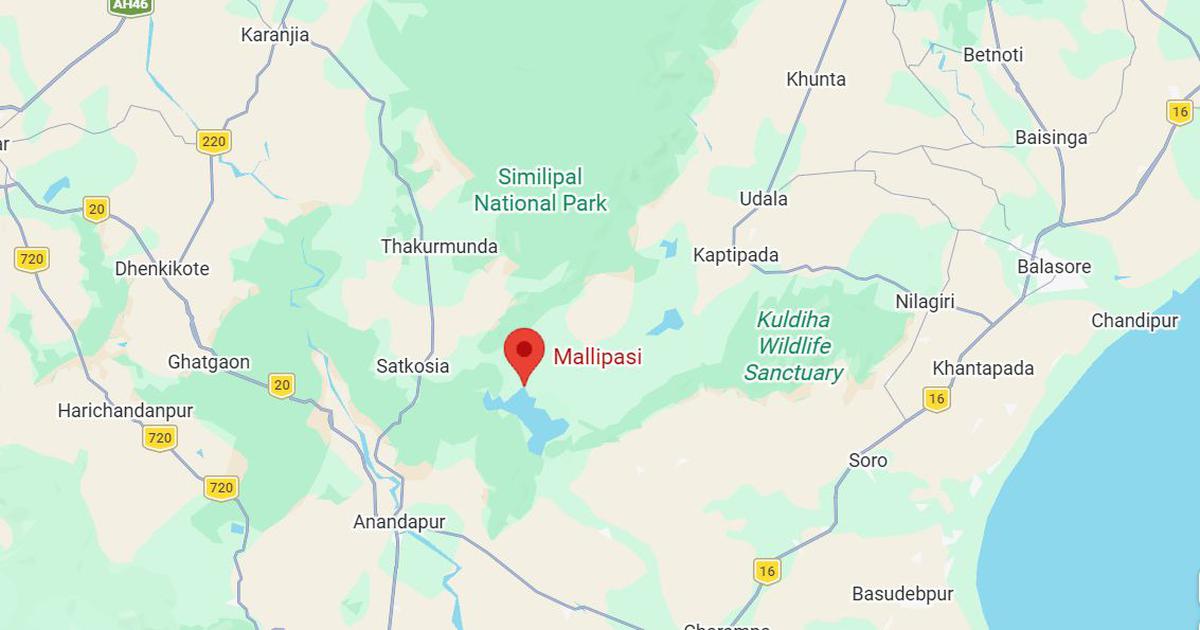
In a shocking incident that underscores the challenges faced by rural communities in India, a man from the Adivasi community in Odisha’s Keonjhar district took an extraordinary step to access funds in his deceased sister’s bank account. On Monday, Jeetu Munda exhumed the skeletal remains of his sister, Kalra Munda, from her grave and brought them to the Maliposi branch of the Odisha Grameen Bank to prove her death and claim her savings.
Kalra Munda passed away on January 26, and her brother, who was hoping to withdraw Rs 20,000 from her account, faced repeated hurdles at the bank. According to reports, despite informing the bank staff of his sister’s demise, Jeetu was told he needed to present her in person to access her funds. Frustrated by the bureaucratic obstacles and the lack of guidance in the withdrawal process, Jeetu resorted to this drastic action.
The incident highlights not only the difficulties faced by uneducated individuals in navigating formal financial systems but also points to a broader issue of accessibility and understanding within rural banking institutions. Kiran Prasad Sahu, the inspector-in-charge at Patna police station, commented on the situation, revealing that Jeetu was unaware of the necessary procedures due to his lack of education.
The Odisha Grameen Bank is part of a network aiming to provide banking services to rural populations, but stories like Jeetu’s indicate that more needs to be done to ensure that these services are effectively communicated to those who need them most. In a country where many depend on family savings for survival, the inability to access funds can lead to desperate measures, as was the case with Jeetu.
After the skeletal remains were brought to the bank, local authorities intervened, taking the remains into their custody before re-burying them. The incident serves as a poignant reminder of the struggles faced by families in rural India, where issues of poverty, education, and bureaucracy intersect in tragic ways.