PM Modi Calls for Bipartisan Support on Women’s Reservation and Delimitation Bills in Parliament
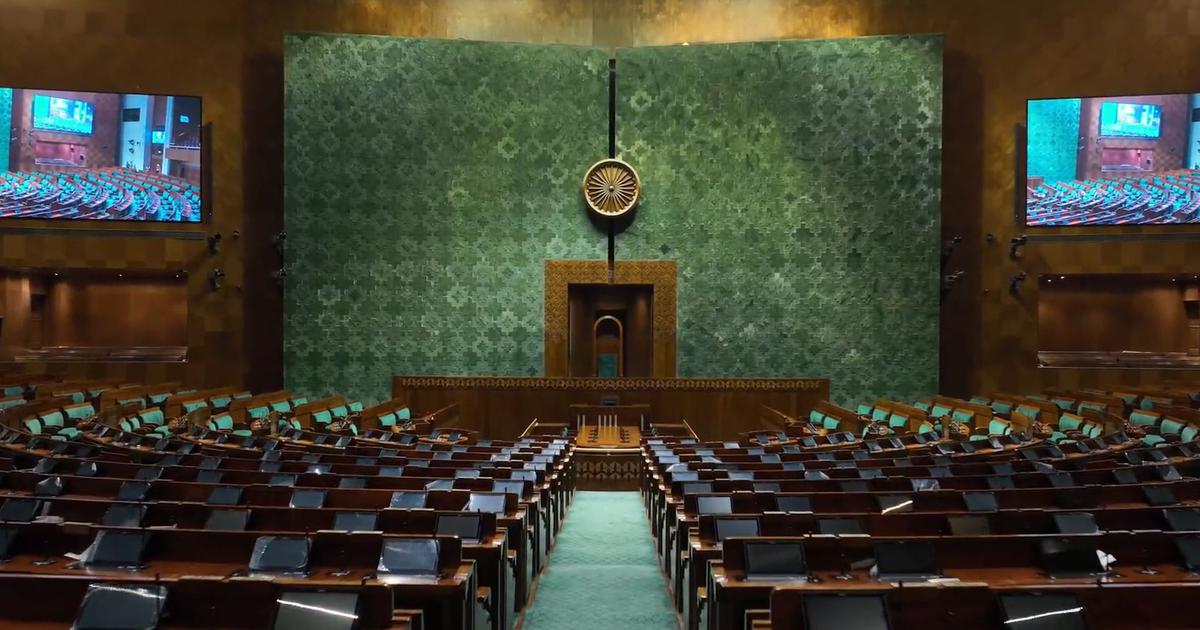
In a pivotal moment for Indian politics, Prime Minister Narendra Modi on Friday made a heartfelt appeal to opposition parties to support crucial bills aimed at amending the Women’s Reservation Act and redrawing electoral constituencies. As a special three-day session of Parliament commenced, the government presented three significant bills intended to expedite the implementation of women’s reservations in legislative bodies and redefine the boundaries of Lok Sabha constituencies.
Among the proposed legislations is the 2026 Constitution 131st Amendment Bill, which mandates a two-thirds majority for passage in Parliament. However, the ruling National Democratic Alliance (NDA) currently lacks the requisite numbers in either House, making the support of opposition parties essential for the successful enactment of this amendment.
Just hours ahead of the anticipated voting in the Lok Sabha, PM Modi took to social media to communicate directly with lawmakers, urging them to consider the bills carefully. He asserted that the government has taken substantial measures to address any fears or misunderstandings surrounding the legislation, providing clarity through facts and logical explanations. “I urge and appeal to all political parties to reflect carefully and take a sensitive decision by voting in favour of women’s reservation,” Modi emphasized, representing the voice of women empowerment in India.
The push for women’s reservation has been a long-standing demand, with advocates arguing that it is essential for ensuring gender equity in governance. The proposed amendment seeks to reserve 33% of seats for women in both the Lok Sabha and state Assemblies, a significant step towards rectifying gender imbalances in Indian politics.
As the government moves forward with these legislative efforts, the backdrop of the ongoing special session in Parliament highlights the urgency of addressing both women’s rights and electoral fairness. The delimitation process, aimed at redefining electoral boundaries, is expected to impact the political landscape significantly, ensuring that demographic shifts are accurately represented in legislative assemblies.
As discussions unfold, the Prime Minister’s appeal resonates with advocates and citizens alike, emphasizing the importance of unity and bipartisanship in addressing gender representation and constitutional amendments. The outcome of the voting will not only shape the future of women’s participation in politics but also set a precedent for collaborative governance in a diverse and democratic India.