In an era defined by digital interactions and virtual connections, many are rediscovering the charm of communal spaces, particularly in the form of local bookstores. These havens of literature are evolving into vibrant third spaces, reminiscent of traditional gathering spots like chaupals and tapris, where people can engage in meaningful conversations over a cup of tea.
India’s rich history of communal practices serves as a backdrop for this resurgence. The concept of a ‘third space’—a term used to describe social environments distinct from home (first space) and work (second space)—is finding new life within these bookstores. Here, community members can come together to explore not only books but also ideas, emotions, and experiences without the weight of societal pretenses.
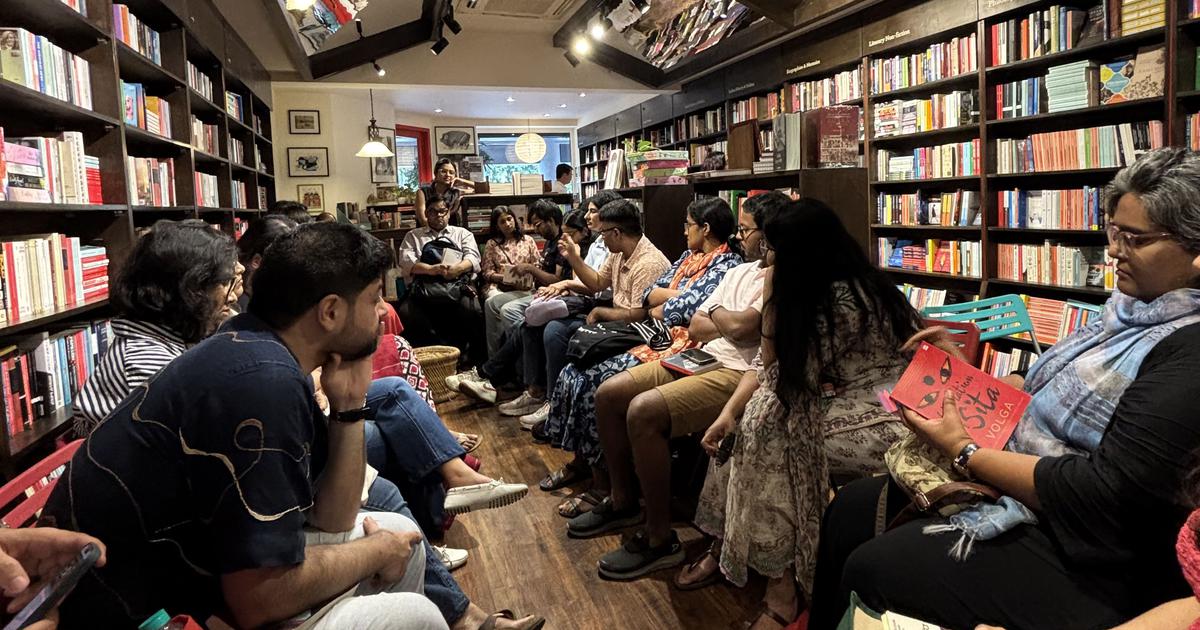
A recent event at The Bookshop Inc in Delhi exemplifies this trend. The bookstore hosted a dynamic poetry reading circle that welcomed participants to express themselves in multiple languages. This inclusivity allowed for a rich tapestry of voices, as poems were translated in real-time, ensuring that everyone could share in the emotional resonance of the words, regardless of language barriers. The atmosphere was charged with a sense of liberation and empowerment; attendees found the freedom to discuss how each poem touched them, fostering a deeper connection among participants.
Such gatherings are not merely about reciting verses; they are about building relationships. They cultivate a spirit of camaraderie as attendees connect over shared literary experiences. Familiar faces become fixtures in these gatherings, leading to the formation of friendships that extend beyond the bookstore walls. It is a revival of the age-old tradition of storytelling and sharing, where each participant leaves a little bit of themselves, and gains a piece of others in return.
Today’s readers, inundated with digital content, are seeking these authentic interactions. They long for spaces where they can engage with one another face-to-face, where conversations flow as freely as the coffee served. Bookstores, therefore, are not just retail spaces; they have transformed into cultural hubs that promote literacy, creativity, and community.
As more bookstores embrace this model, they are redefining their role in society. They are no longer just places to purchase books but are becoming essential to community life. By hosting events like poetry readings, book launches, and discussion panels, they create platforms for dialogue and coexistence. In this way, bookstores are revitalizing the age-old practice of communal gathering, ensuring that the spirit of togetherness thrives amidst modernity.