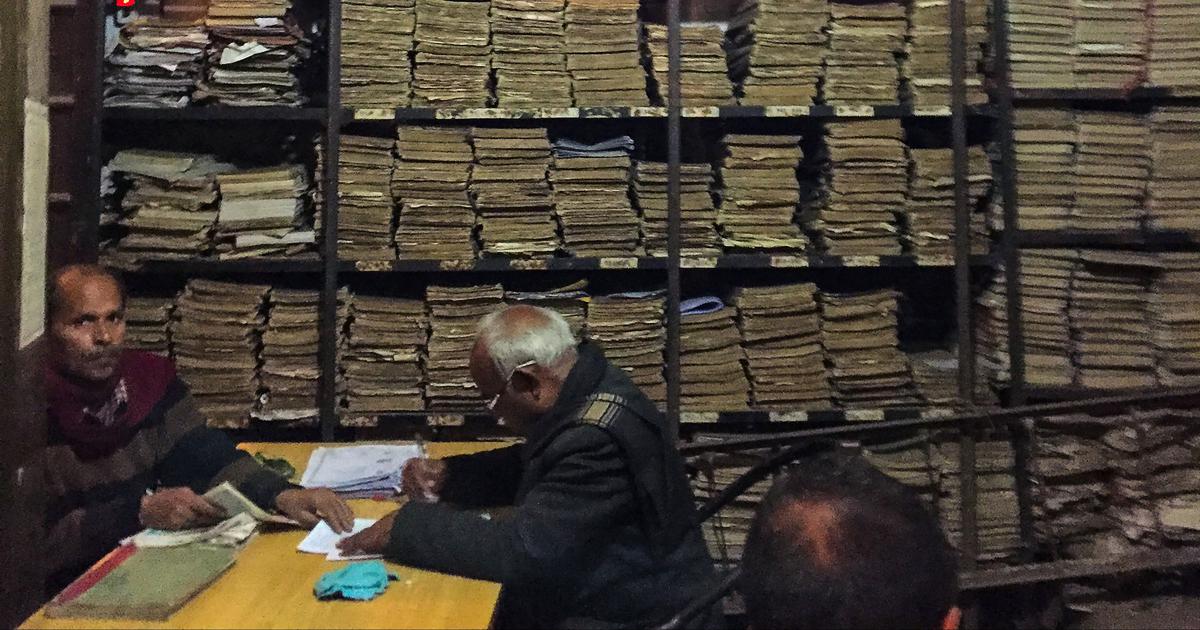
For many years, the Indian judiciary has been compared to a ‘leaking tap,’ where the influx of new cases overwhelms the system’s ability to resolve them. With a staggering backlog of over 50 million cases, the need for innovative solutions has never been more urgent. While many have suggested increasing the number of judges or digitizing court records, a crucial yet underutilized legal provision could hold the key to remedying this persistent issue: the restriction on adjournments.
The legal landscape for managing delays in the Indian courts is surprisingly comprehensive. According to Order XVII, Rule 1 of the Code of Civil Procedure, a party is entitled to no more than three adjournments during the course of a suit’s hearings. Furthermore, the recently enacted Bharatiya Nagarik Suraksha Sanhita has introduced more stringent measures for criminal cases, limiting adjournments to just two. This law also stipulates that costs must be imposed on any party seeking a delay, thereby incentivizing prompt proceedings.
Despite the existence of these frameworks, a ‘culture of adjournment’ has taken root within the Indian judiciary. In reality, it is not uncommon for a single case in a subordinate court to rack up anywhere from 12 to 30 adjournments. This discrepancy between the law and practice can be attributed to various factors, including a lack of adherence to the rules by both lawyers and judges alike. As a result, the judicial process often drags on indefinitely, leaving countless citizens awaiting the delivery of justice.
Imagine if Indian courts strictly enforced the so-called ‘Rule of Three.’ Such a change could transform the judicial system from a lengthy marathon of delays into a swift journey toward judicial resolution. This paradigm shift would not only speed up the process but also instill a sense of responsibility among litigants and legal representatives. With quicker resolution times, the judiciary could restore public faith in its ability to deliver justice effectively and efficiently.
In light of these challenges, it is imperative for legal practitioners, lawmakers, and the judiciary to reconsider their approach to adjournments. By fostering a culture that prioritizes timely justice over procedural delays, India can tackle its overwhelming judicial backlog. The existing legal provisions, if strictly implemented, have the potential to significantly reduce the number of pending cases and enhance the overall functionality of the judicial system.