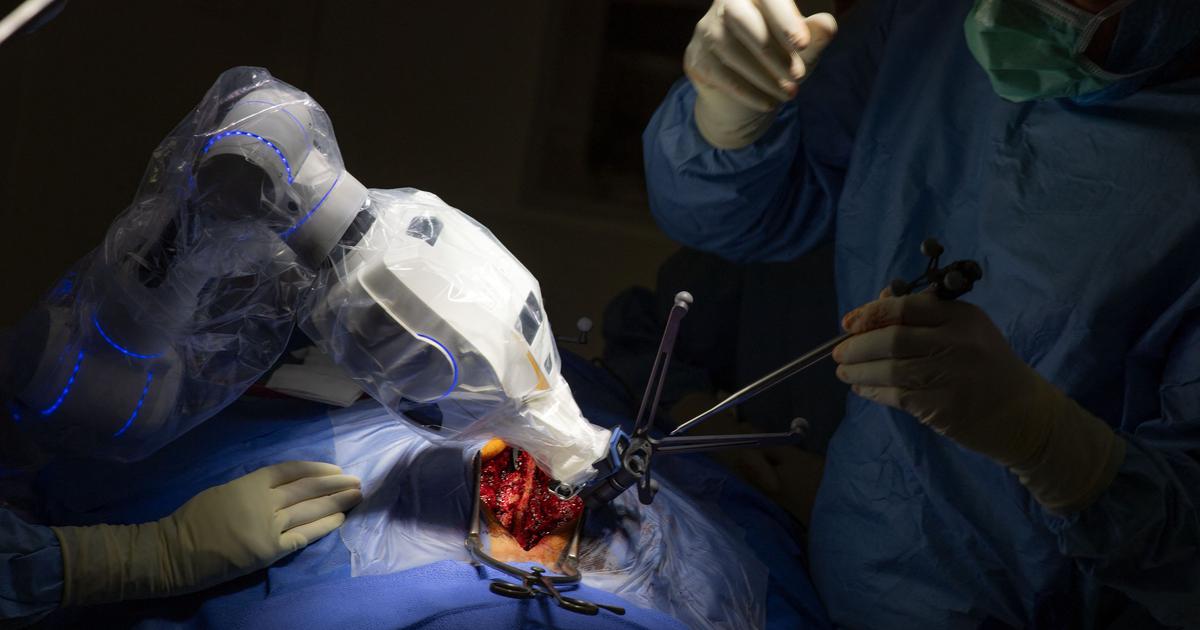
On March 27, a remarkable demonstration of medical innovation took place at a convention center in Mumbai, drawing the attention of healthcare professionals and policymakers alike, including Maharashtra Chief Minister Devendra Fadnavis. The event showcased an advanced surgical robot operated remotely, highlighting a potential new frontier in the field of medicine: telesurgery.
The demonstration involved a patient, Suryabhan Sambharkar, situated 800 kilometers away in Nagpur’s Government Medical College. With the aid of two robotic arms docked on his lower body, Sambharkar underwent a hernia operation as a surgeon in Mumbai maneuvered the robot through a computer interface while wearing polarized 3D glasses. This impressive feat of technology took about 40 minutes, effectively showcasing the capabilities of robotic surgery.
Once the demonstration was complete, the surgical team in Nagpur took over to finish the procedure without further assistance from the robot, illustrating the practicality of combining human expertise with robotic assistance. Dr. Raj Gajbhiye, dean at the Government Medical College, noted that this robotic system was specifically brought in to demonstrate the concept of telesurgery, a pioneering approach that could redefine how surgical procedures are performed, especially in rural and underserved areas.
Robotic surgery is not entirely novel in India; however, it has faced skepticism, particularly from patients unfamiliar with its advantages and limitations. For example, Suryabhan Sambharkar, who earns a modest income working in a cloth store, admitted that prior to this demonstration, he had never heard of robotic surgery. This highlights a broader issue: as technology advances, ensuring public awareness and understanding of these innovations becomes crucial.
Companies like Meril, an Indian multinational specializing in surgical robotic systems, are at the forefront of this transition, striving to make robotic surgery more accessible within the Indian healthcare landscape. The potential benefits of robotic surgeries include greater precision, reduced recovery times, and less invasive procedures. However, the question remains: is robotic surgery essential for every patient? As hospitals increasingly adopt this technology, it is vital for patients and healthcare providers to engage in informed discussions about the benefits versus the costs, both financially and in terms of health outcomes.